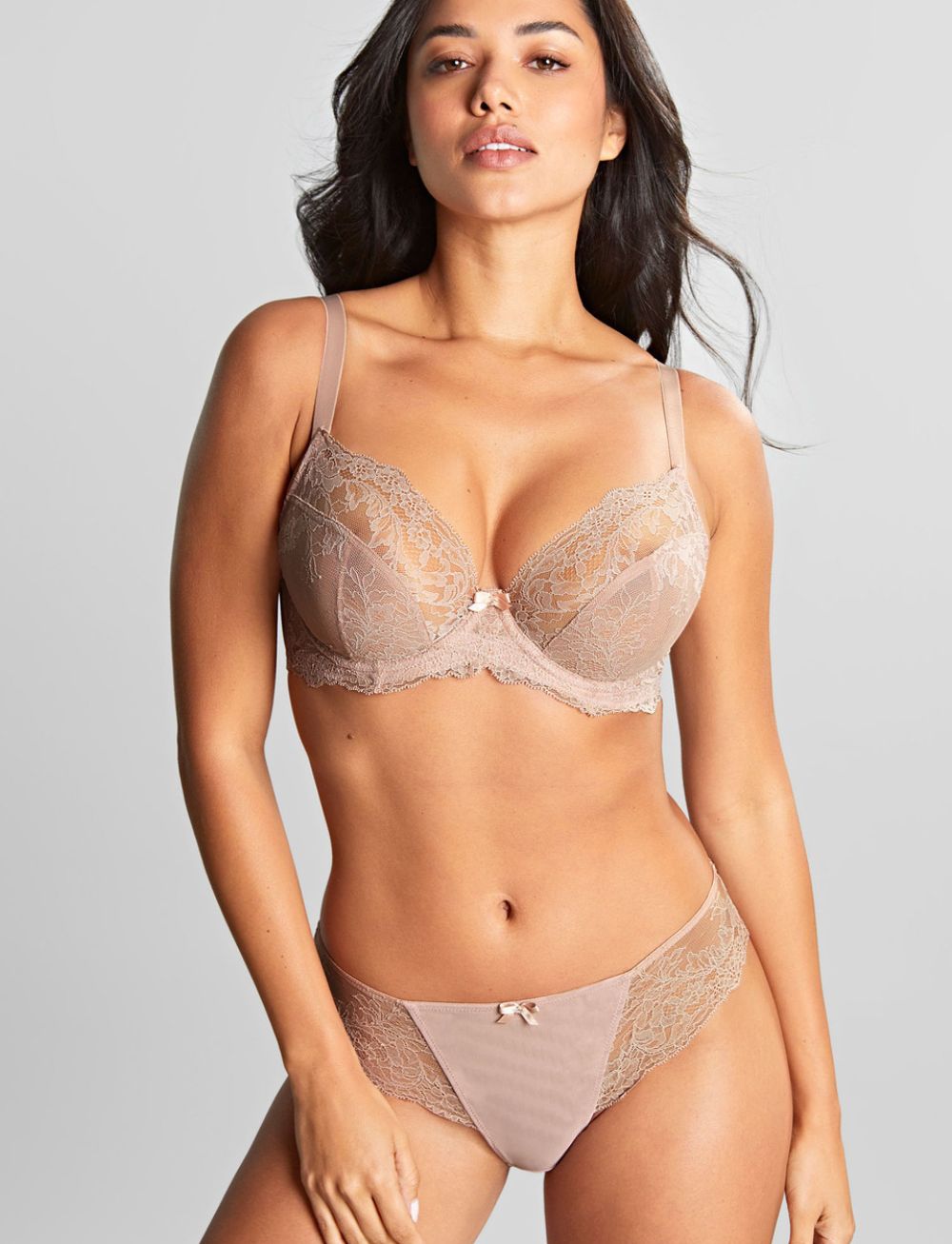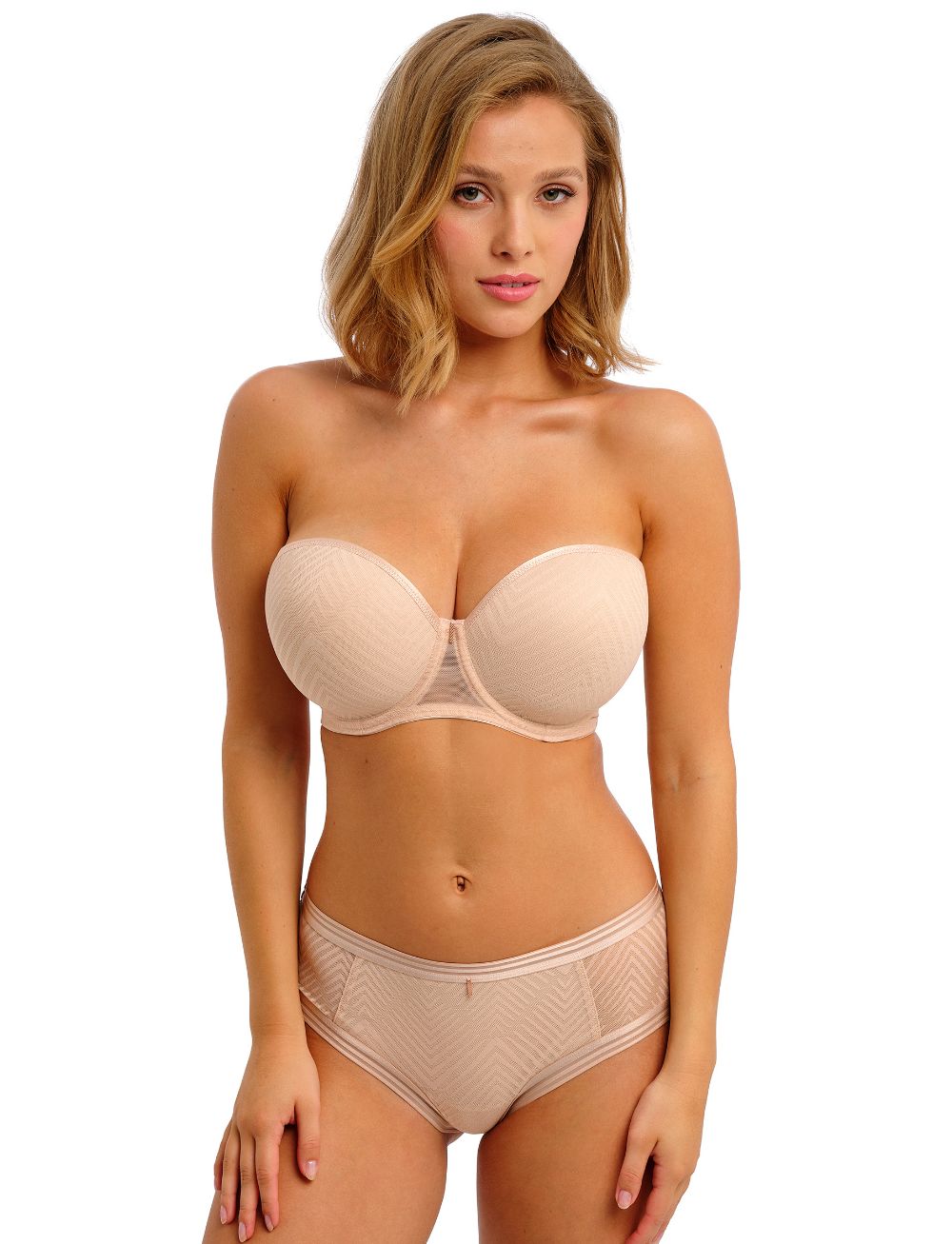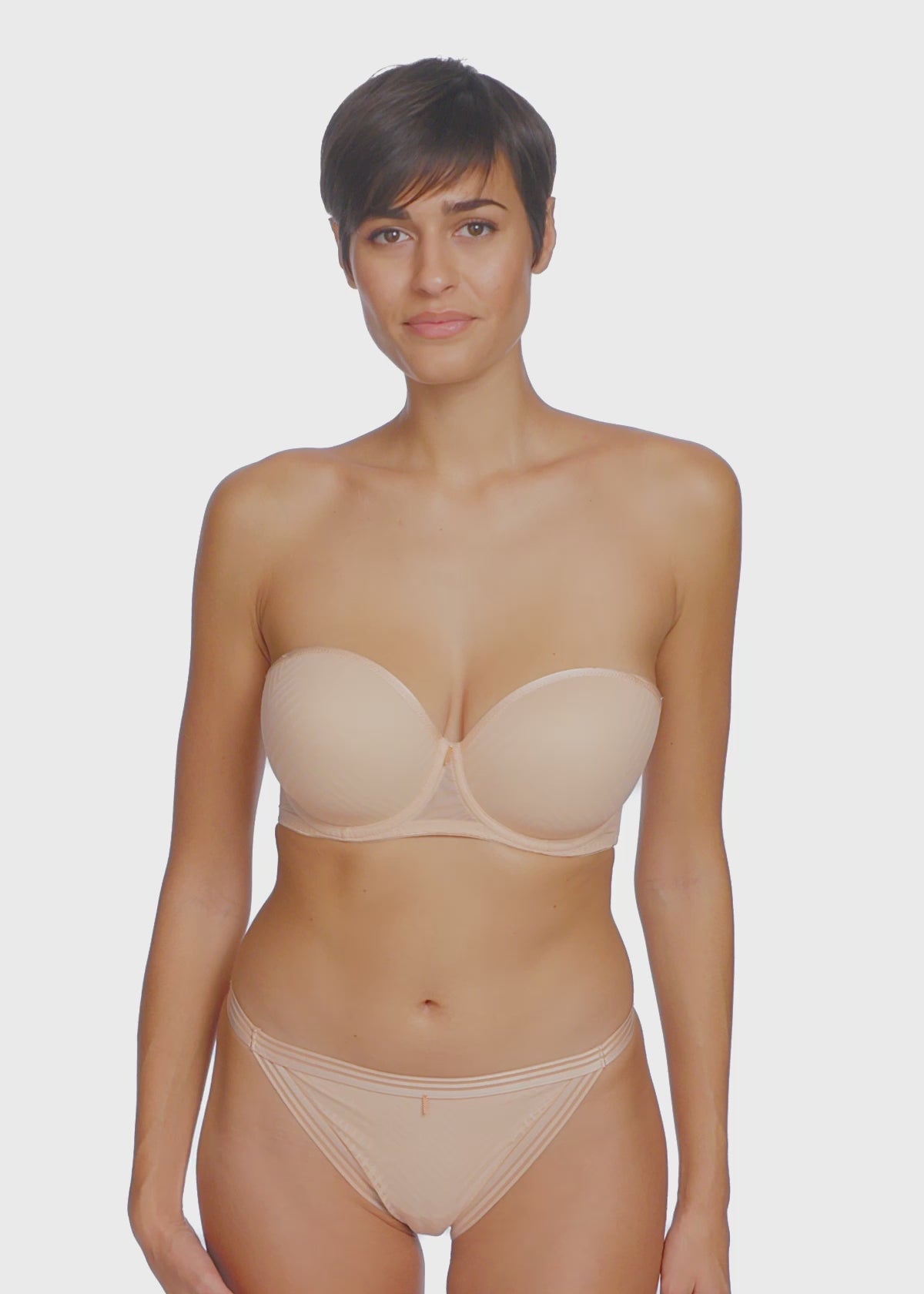
G Cup Maternity & Nursing Bras
Filter
Sort by:
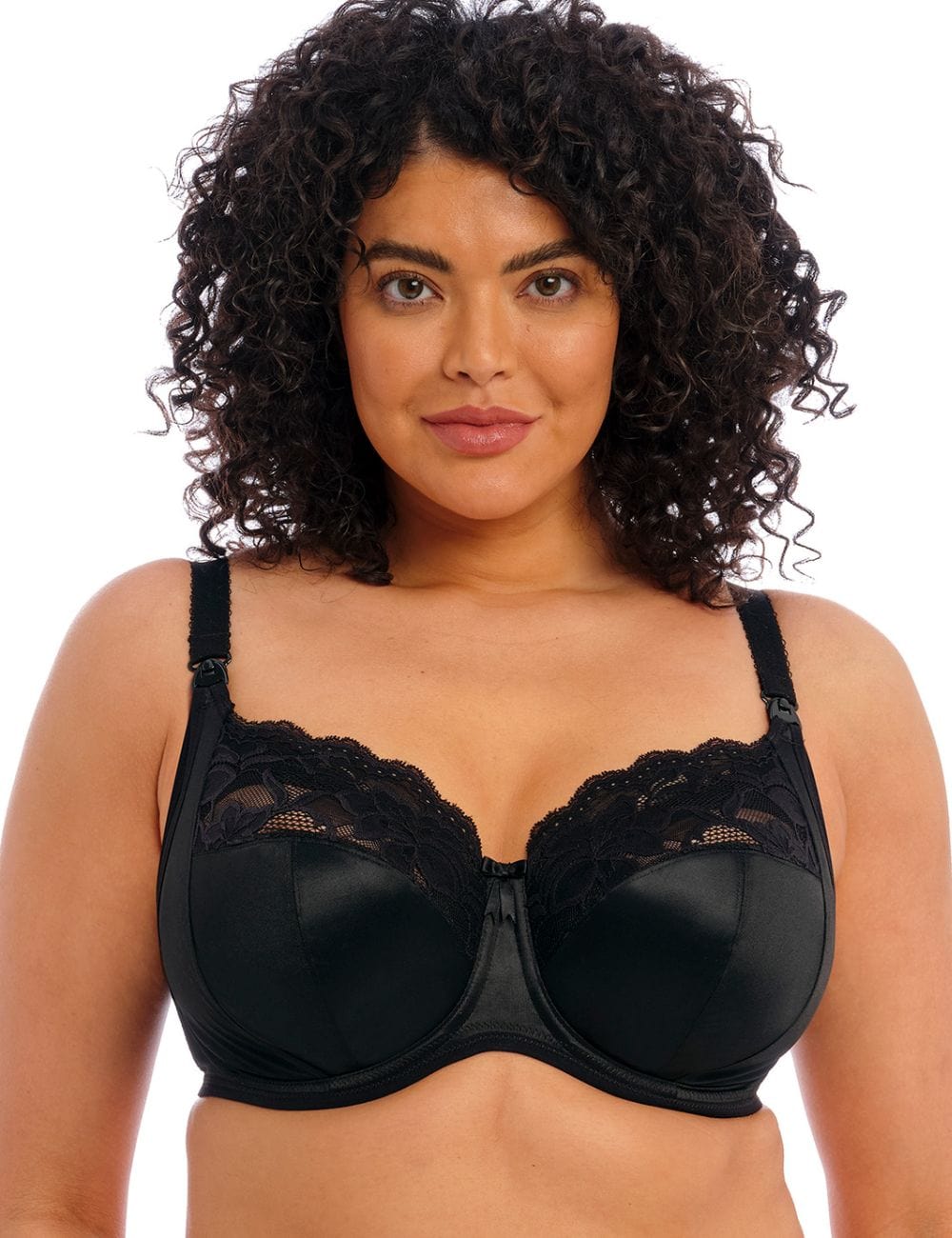
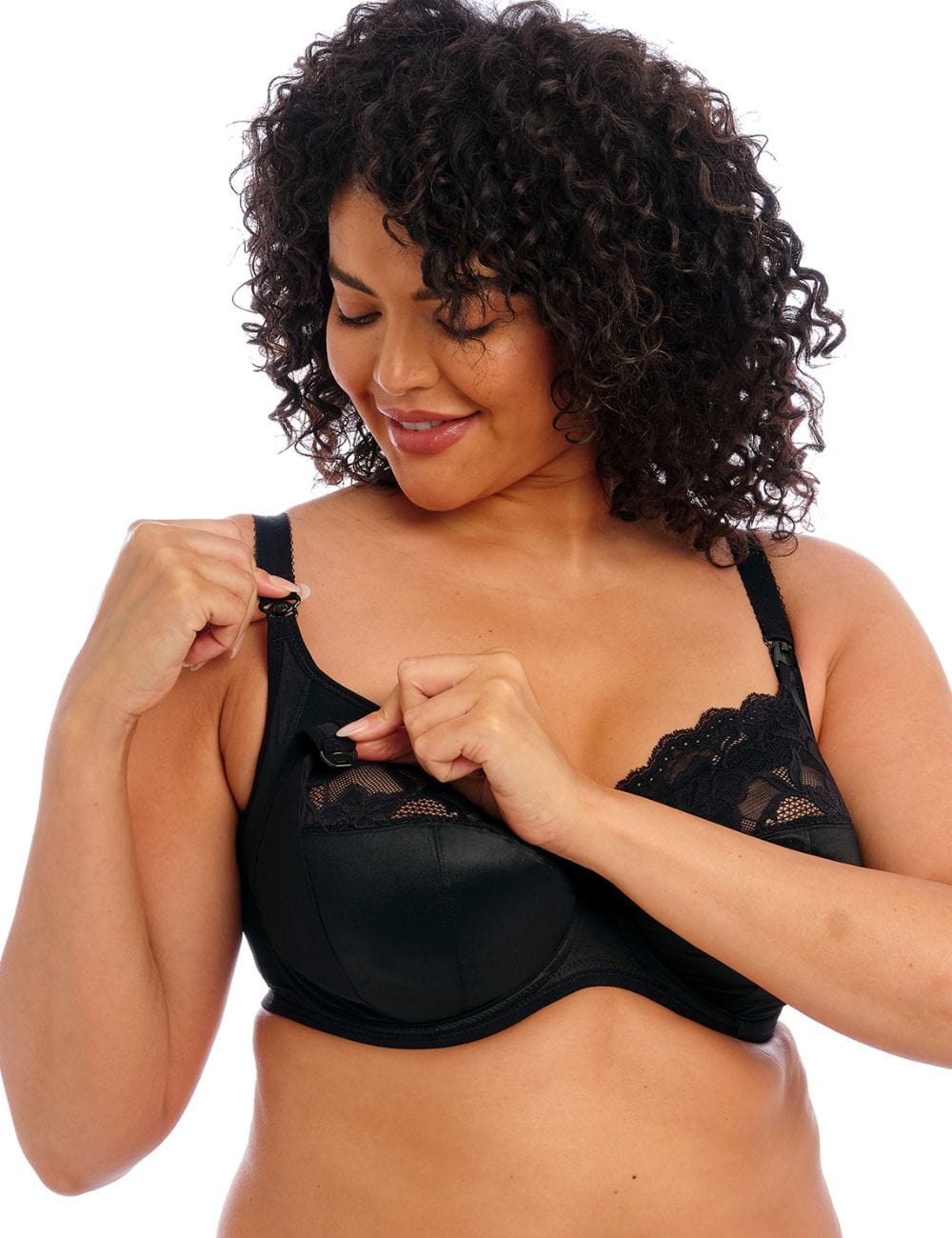
Elomi Molly UW Nursing Bra Black
Sale price
$99.95
Sale price
$99.95
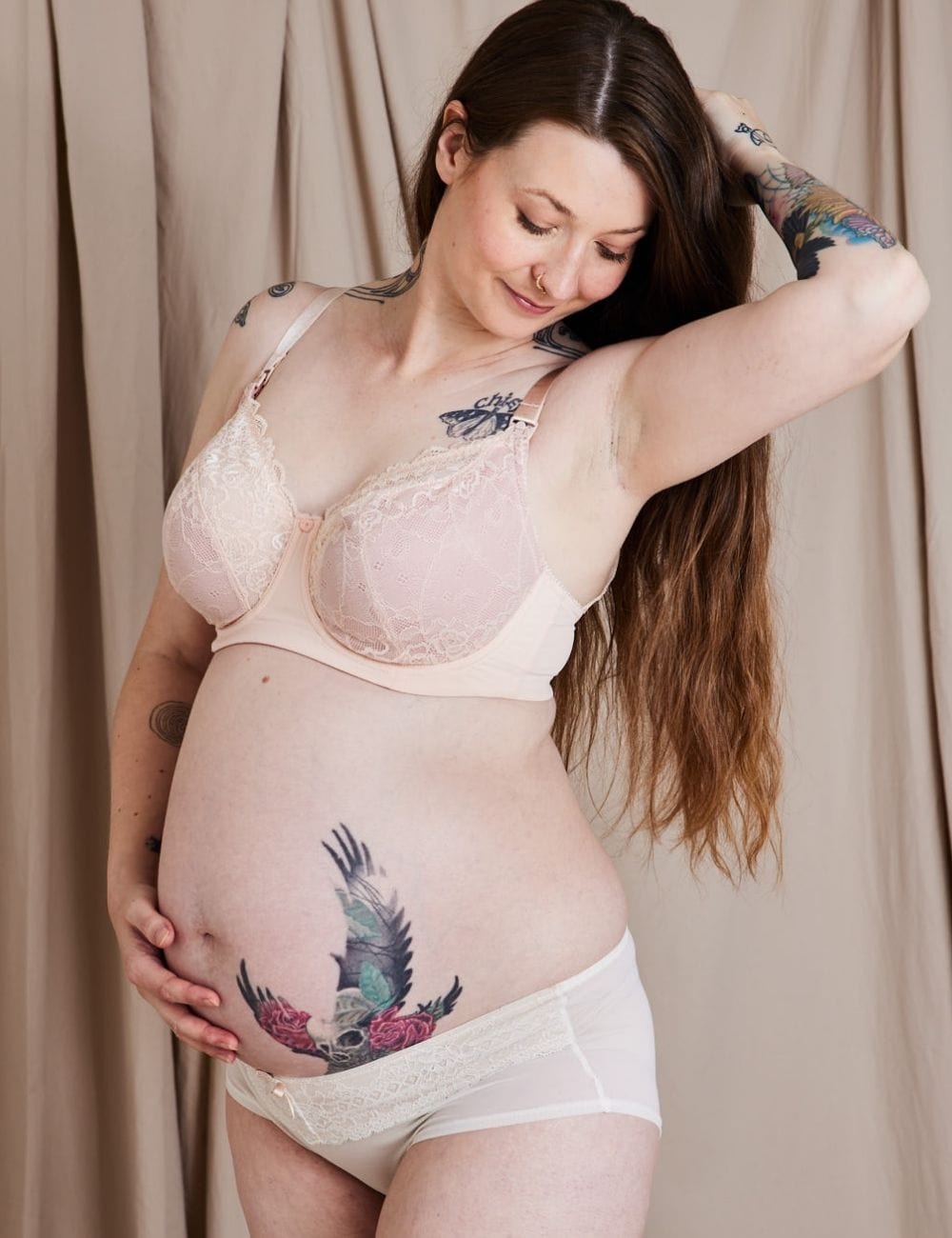
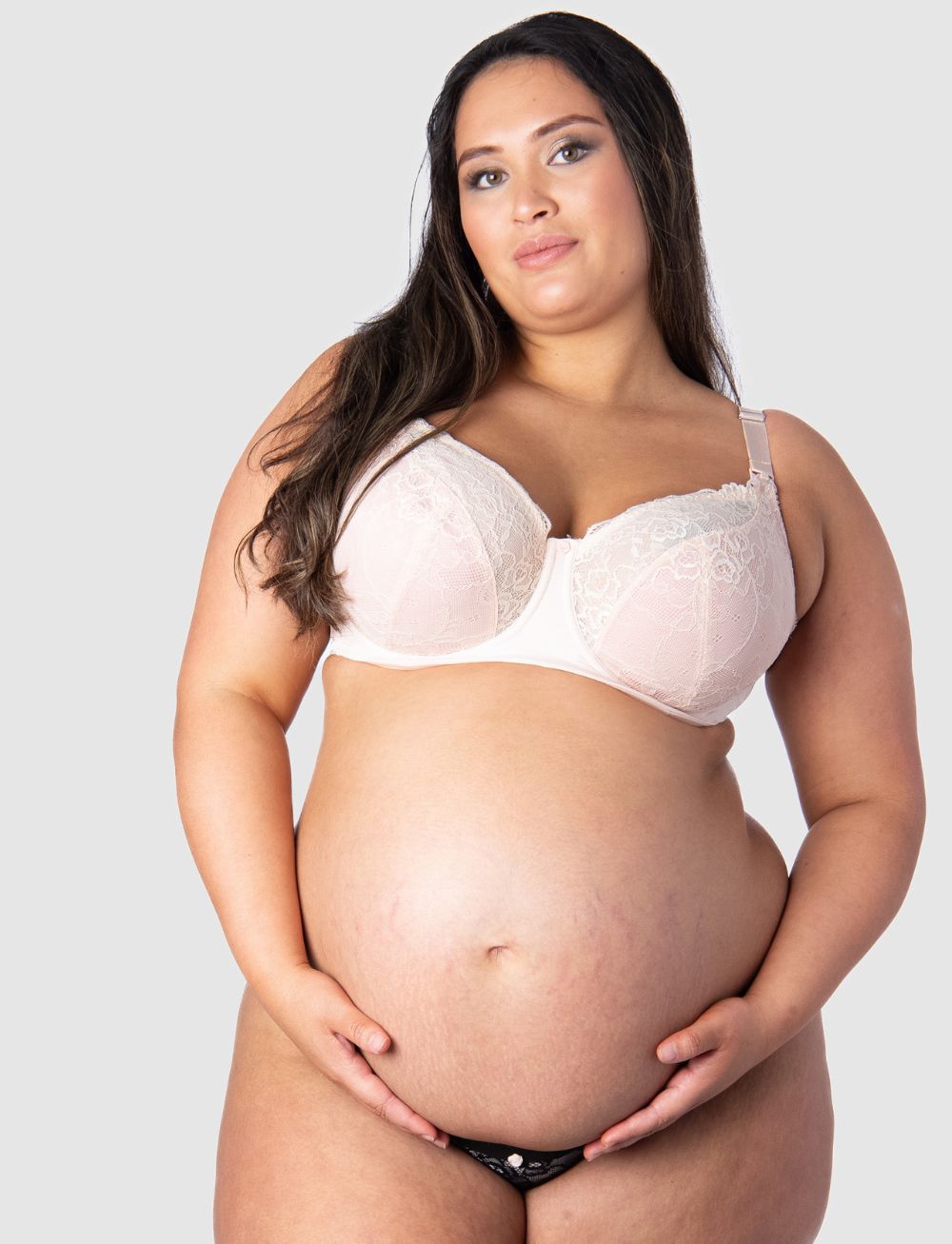
Hotmilk Temptation Full Cup Nursing Bra Powder
Sale price
$89.95
Sale price
$89.95
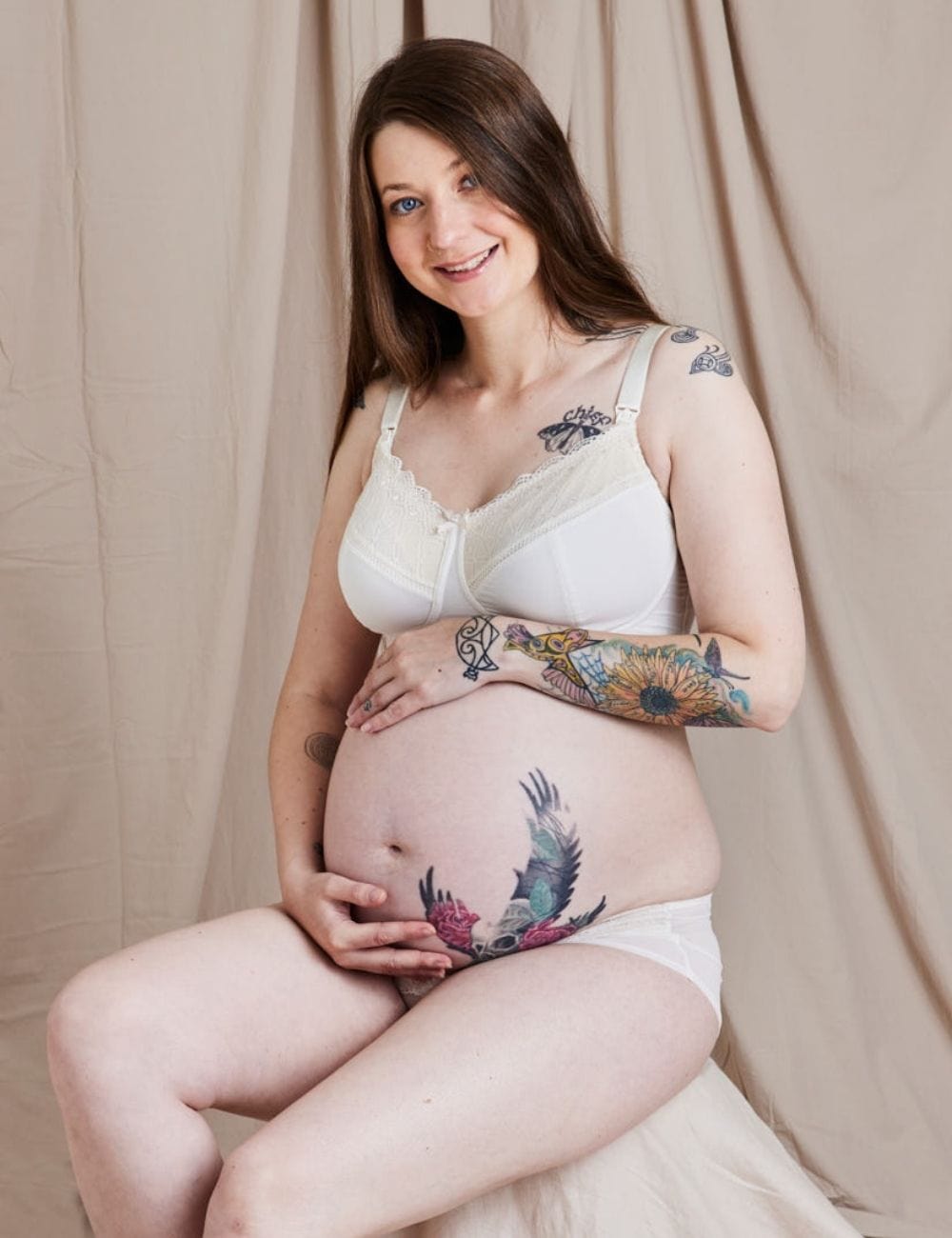
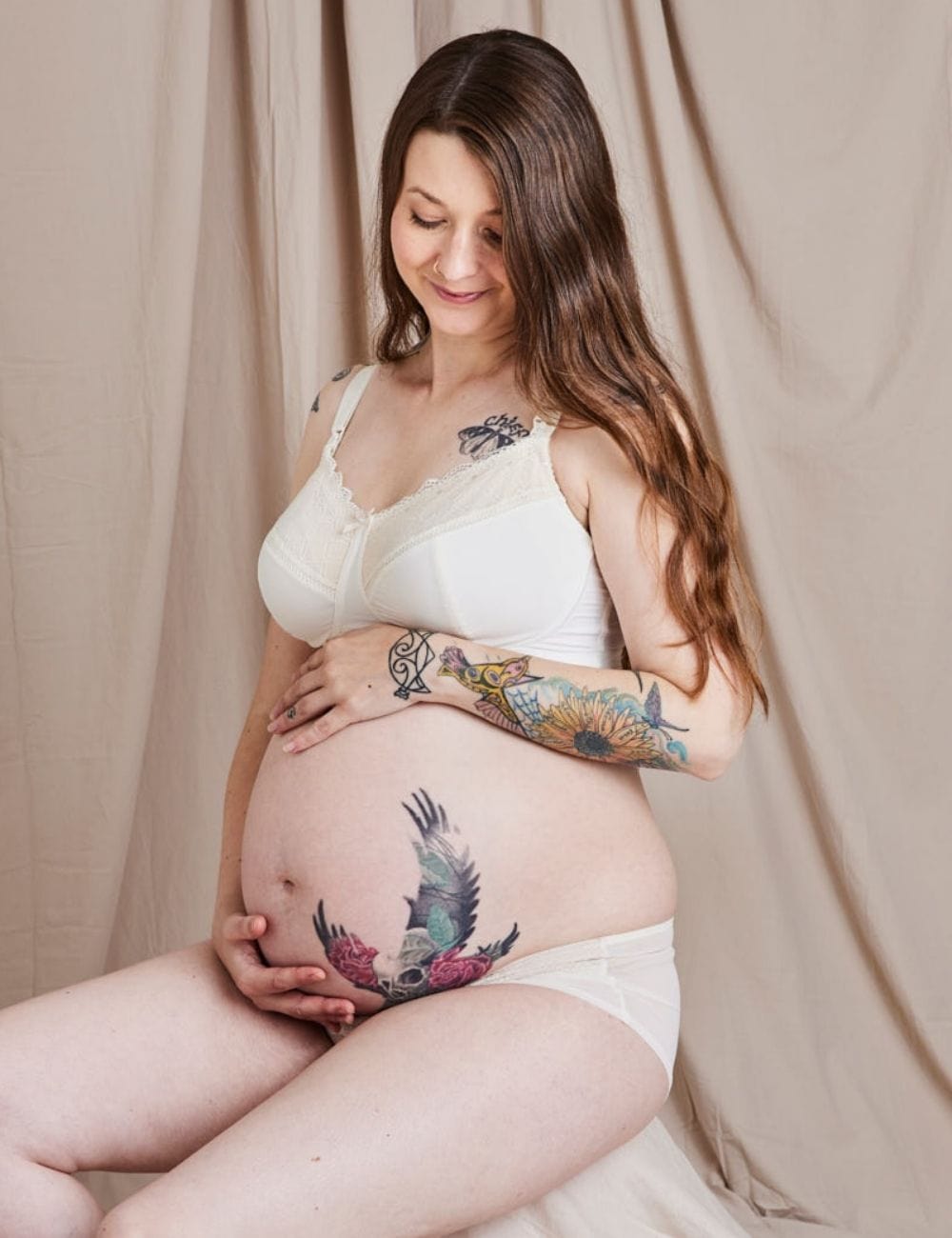
Hotmilk Show Off Nursing Bra Ivory
Sale price
$79.95
Sale price
$79.95
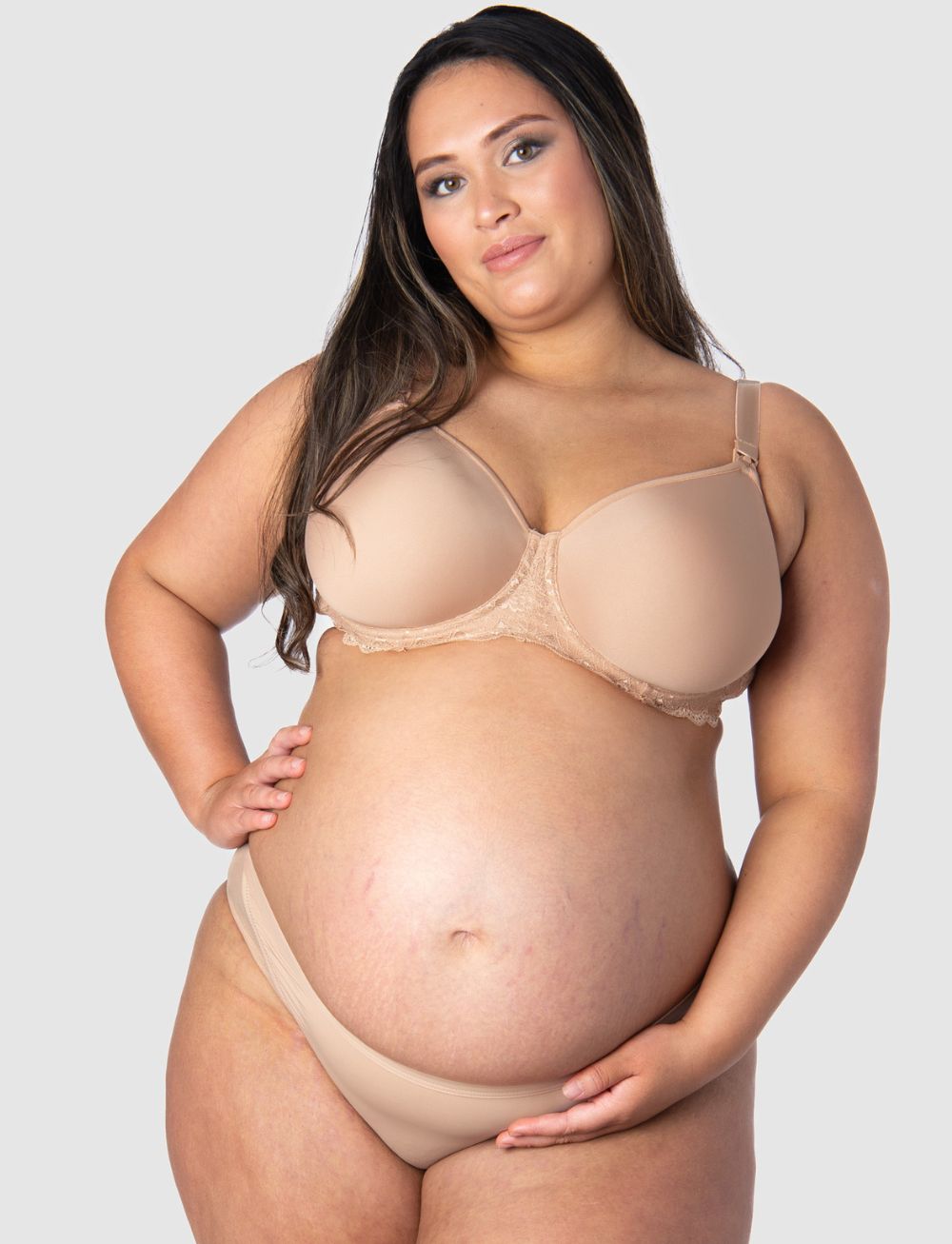
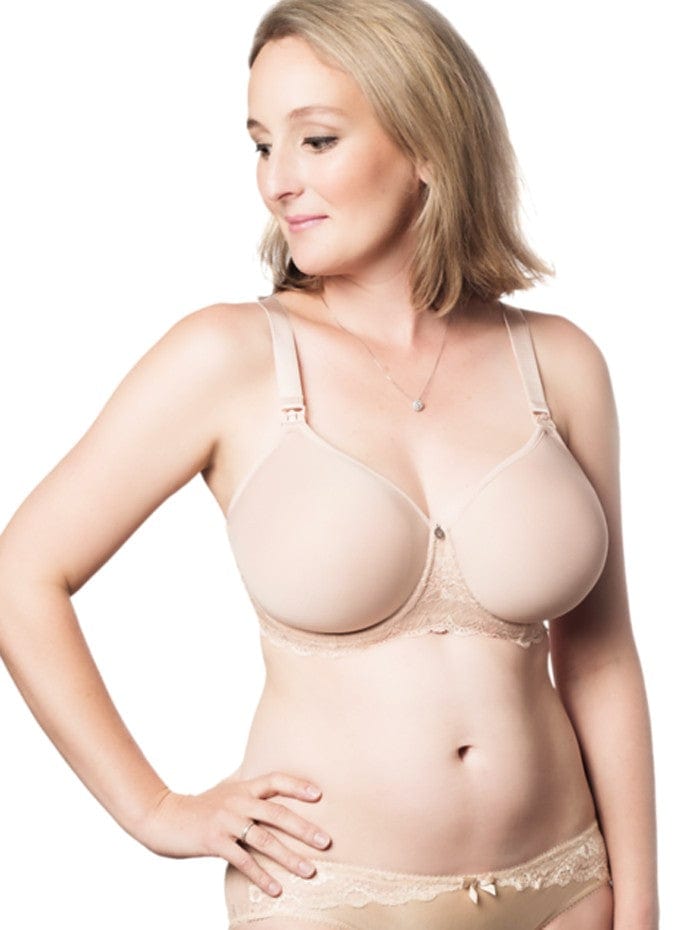
Hotmilk Obsession Full Cup Nursing Bra Cashmere
Regular price
$89.95
Sale price
$64.95
Sale price
$89.95
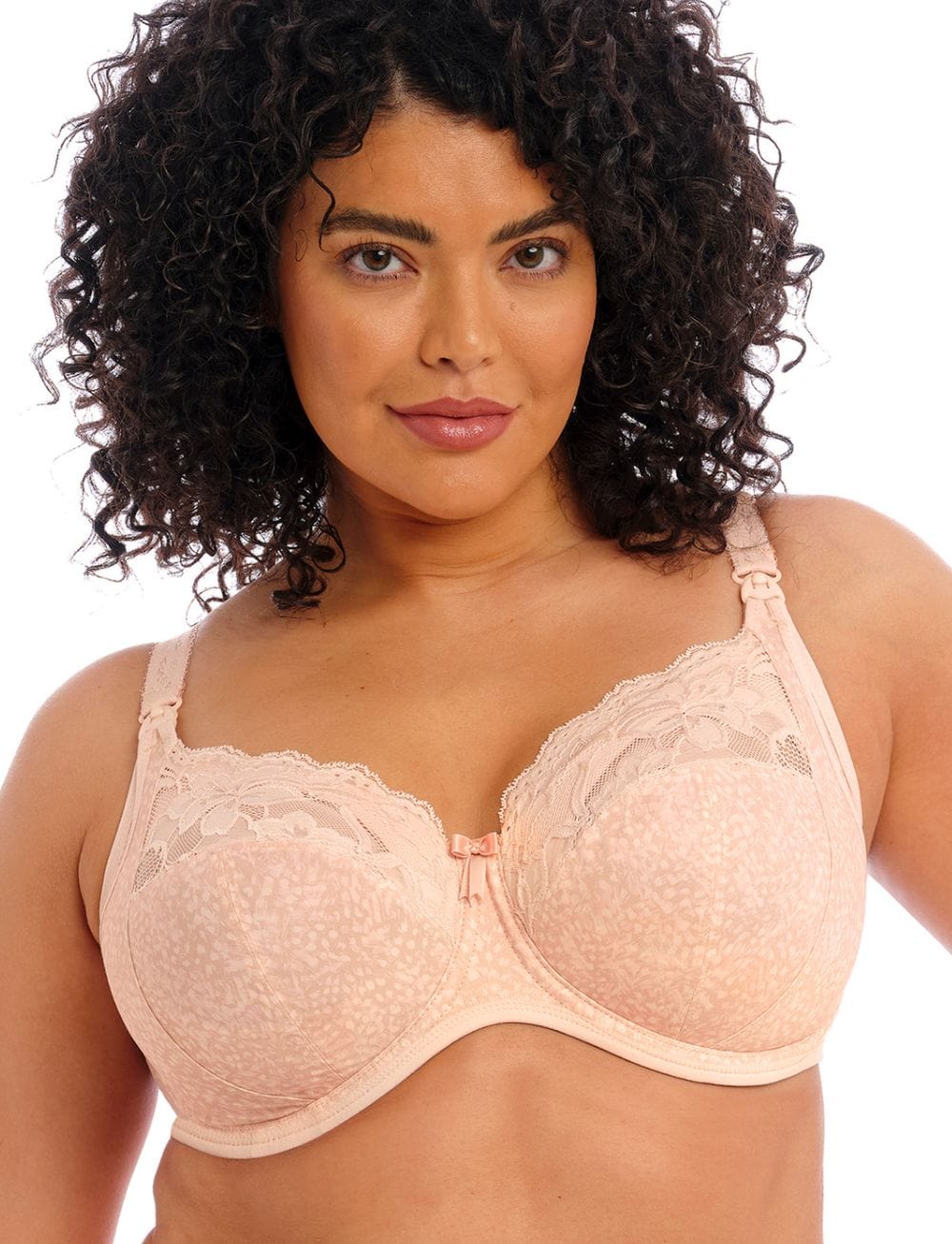
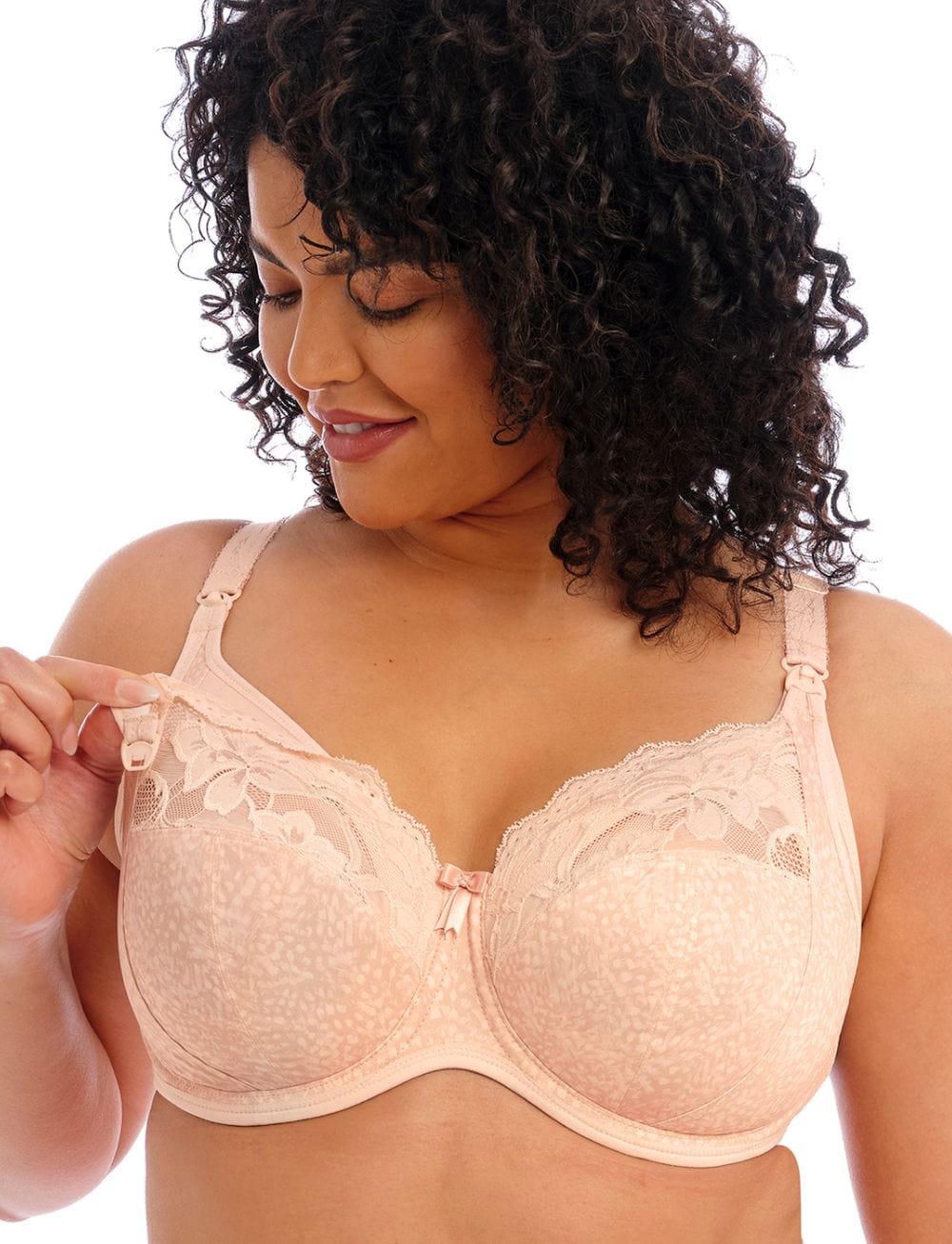
Elomi Molly UW Nursing Bra Cameo Rose
Sale price
$99.95
Sale price
$99.95
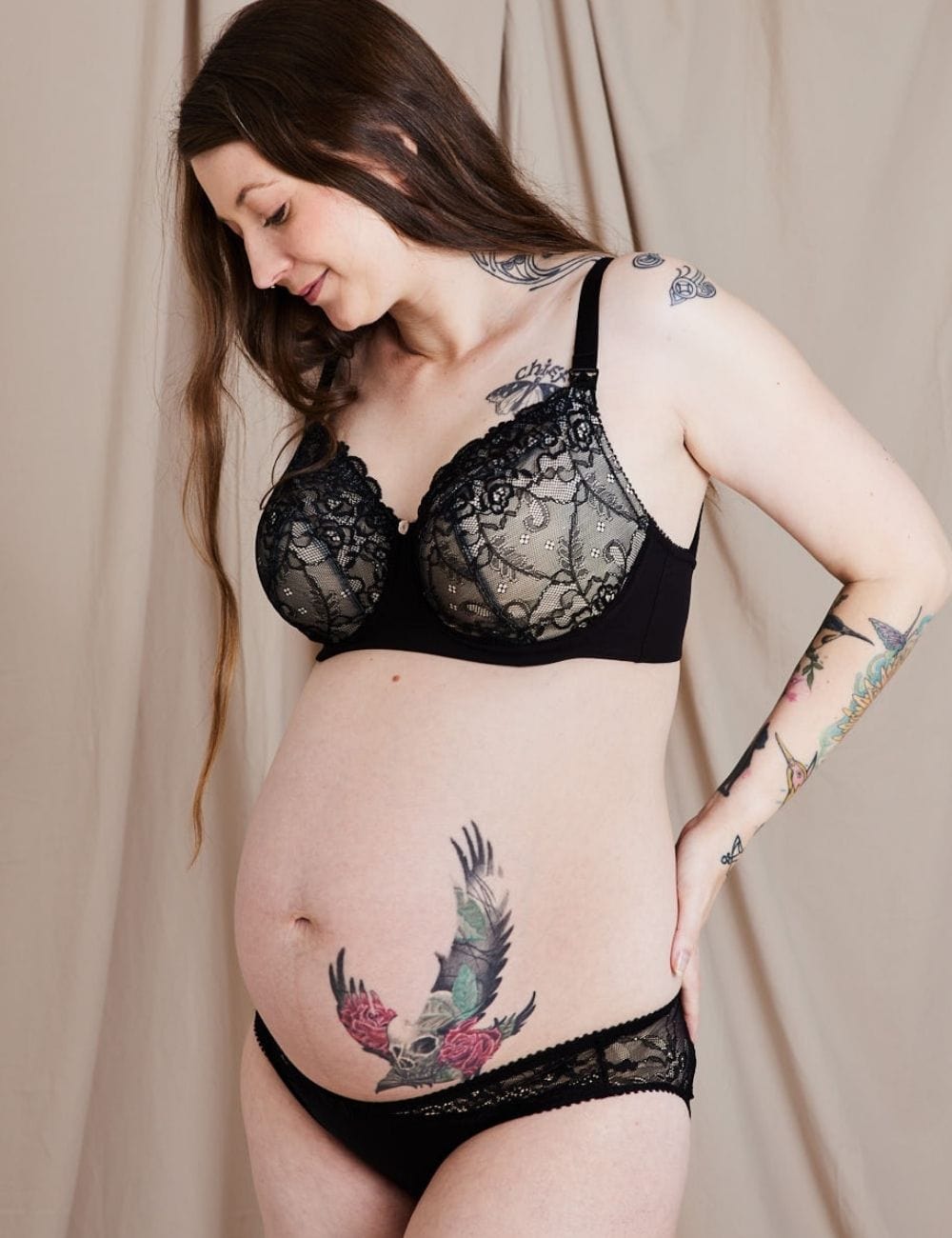

Hotmilk Temptation Full Cup Nursing Bra Jet Black
Sale price
$89.95
Sale price
$89.95
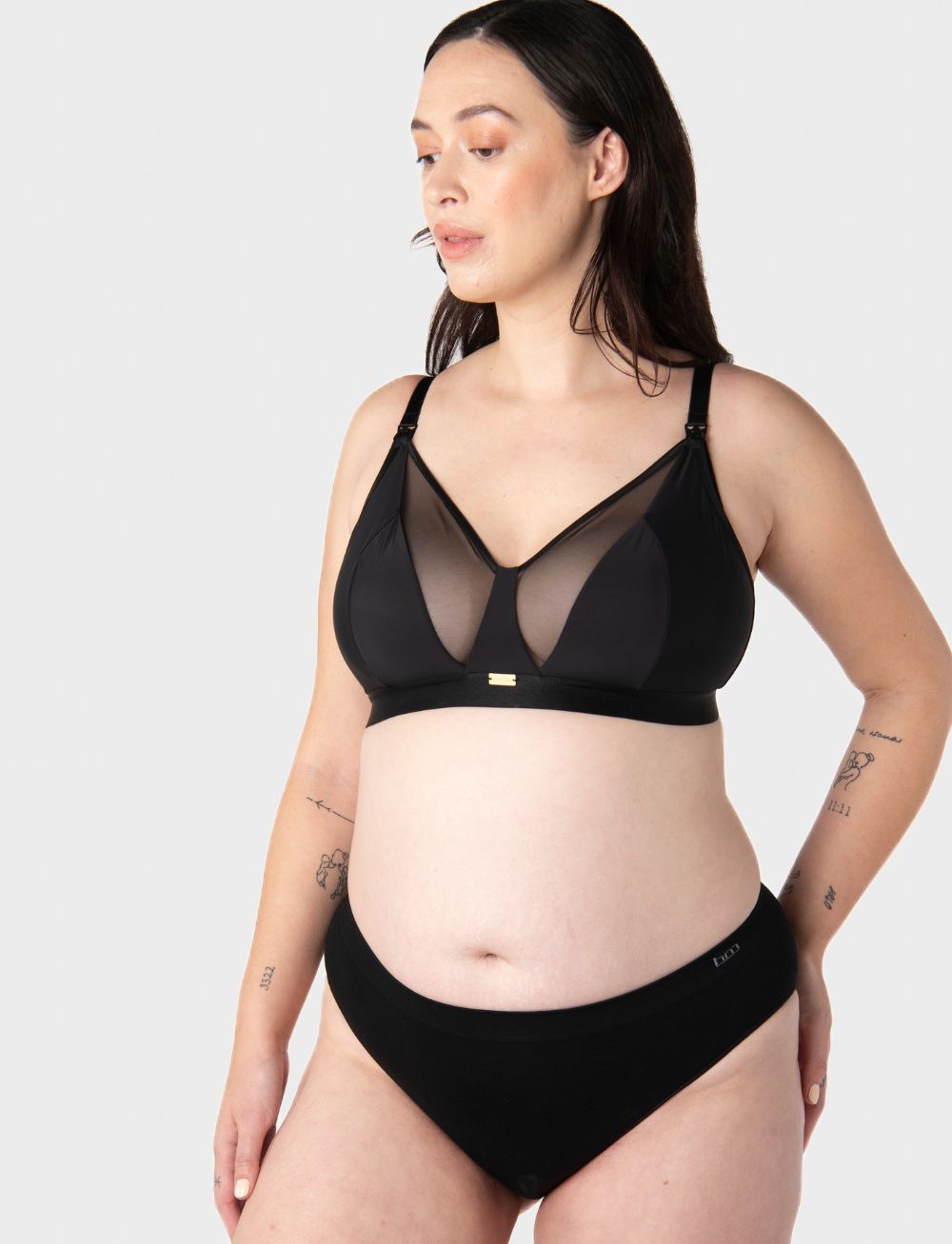
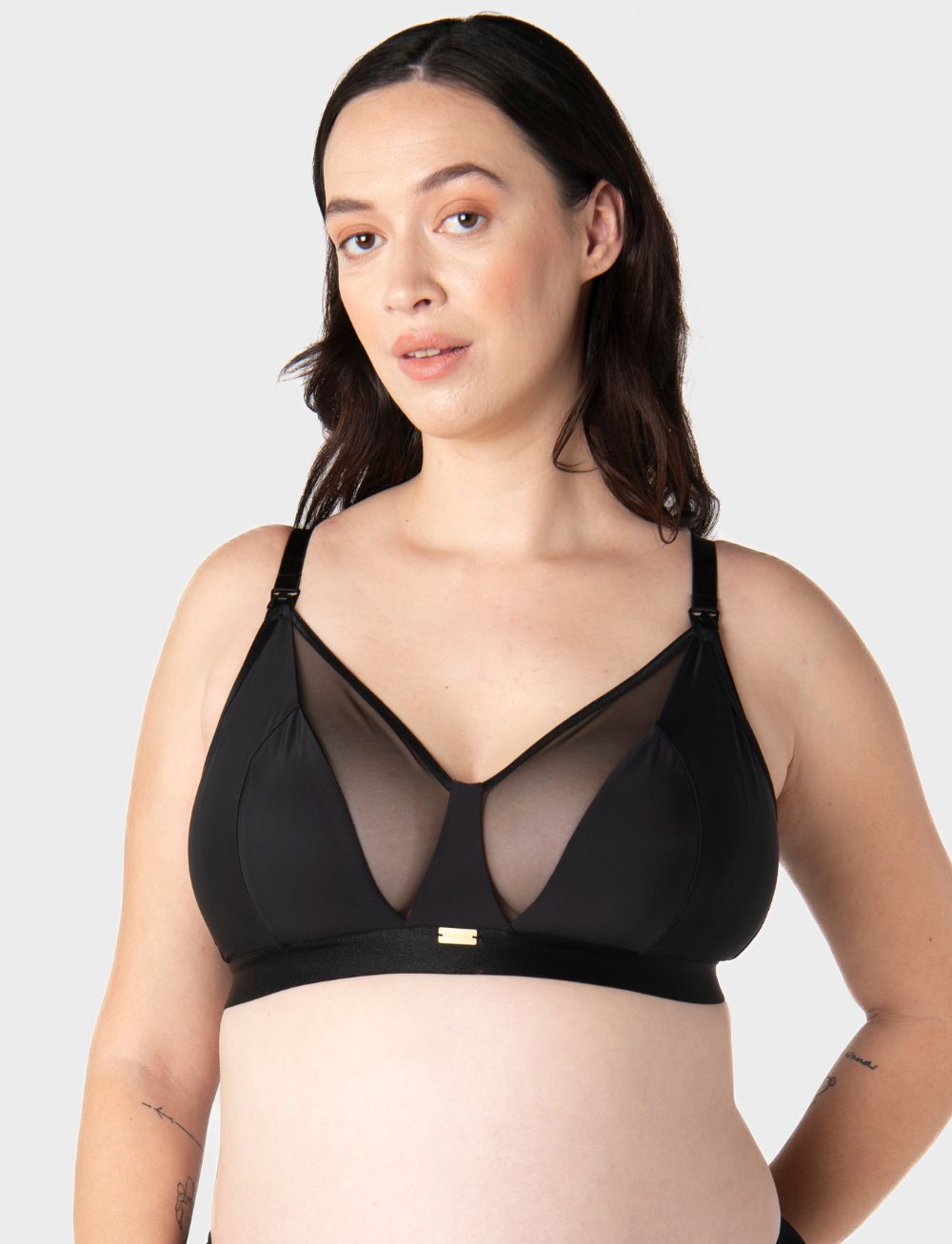
Hotmilk Flawless Full Cup Plunge Nursing Bra Black
Sale price
$89.95
Sale price
$89.95
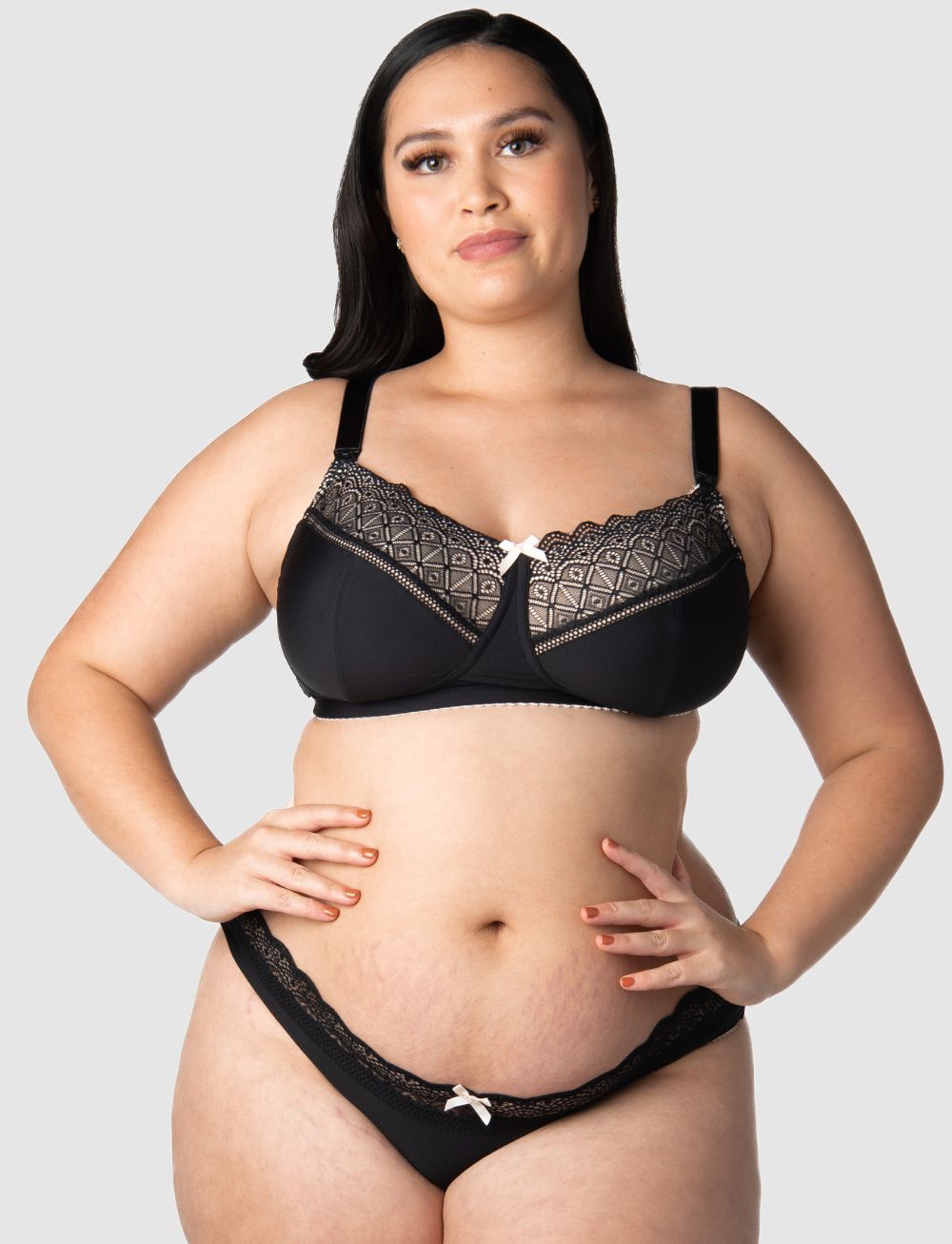

Hotmilk Show Off Nursing Bra Jet Black
Sale price
$79.95
Sale price
$79.95
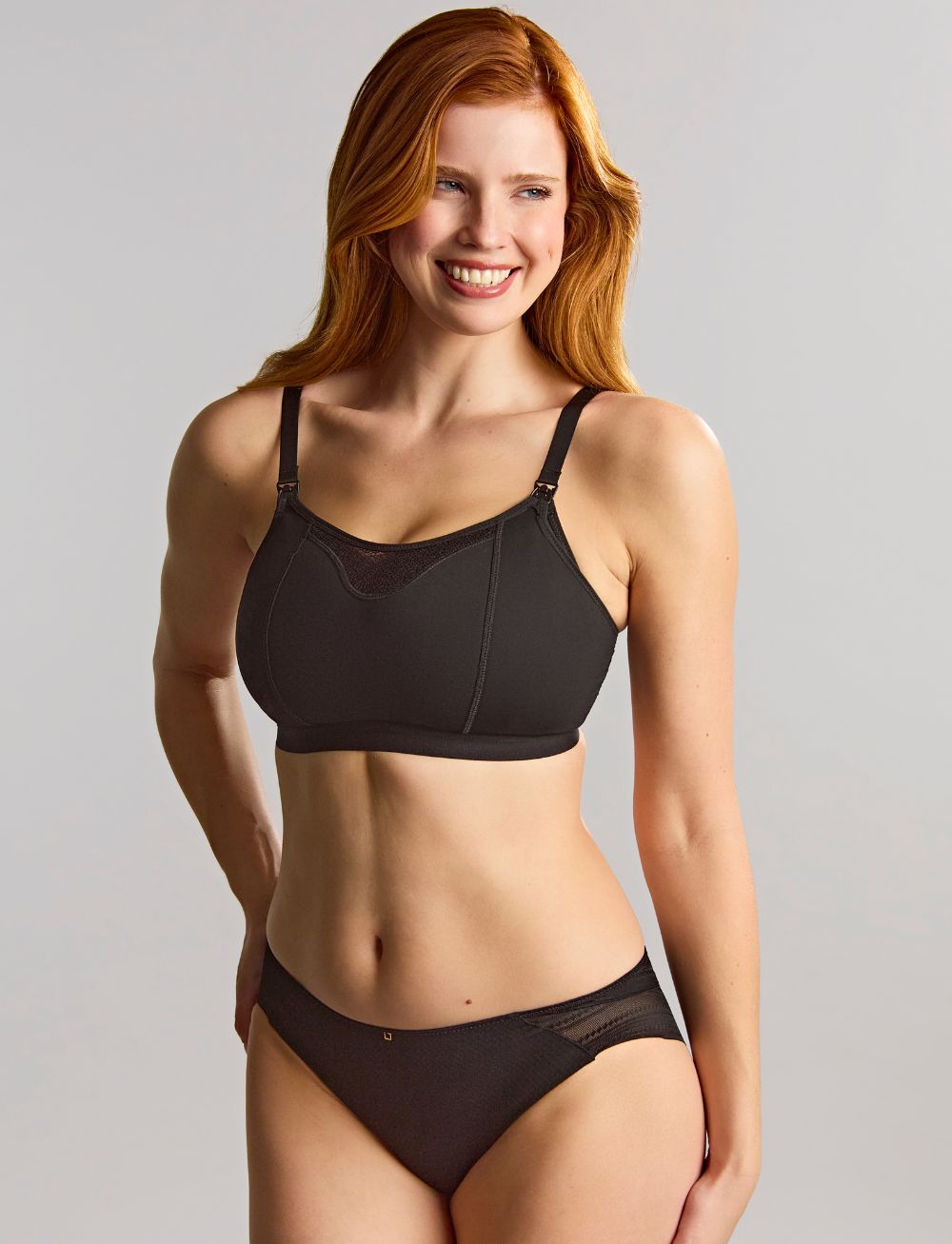
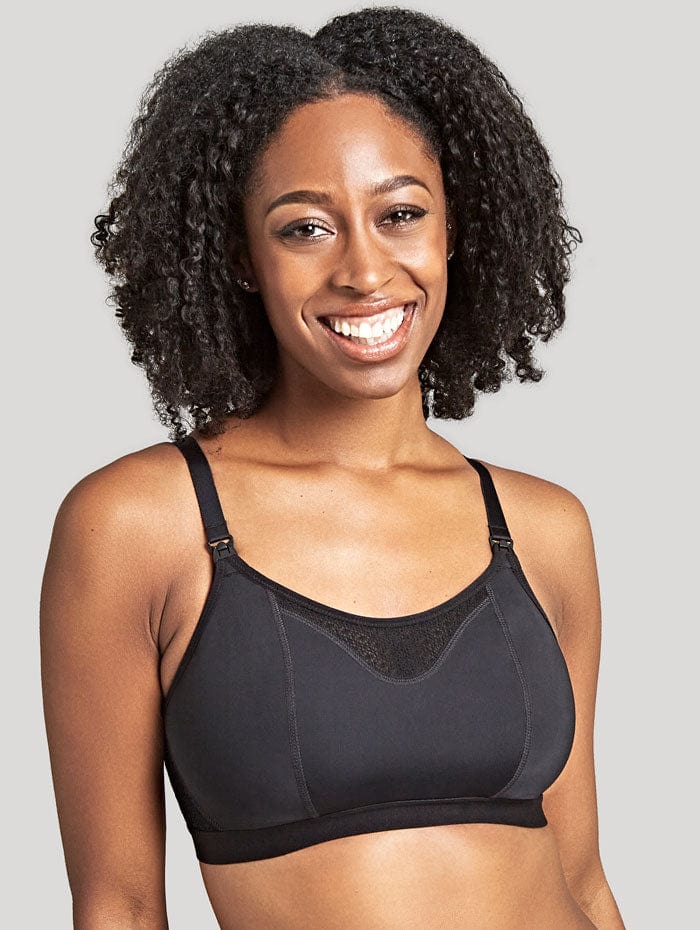

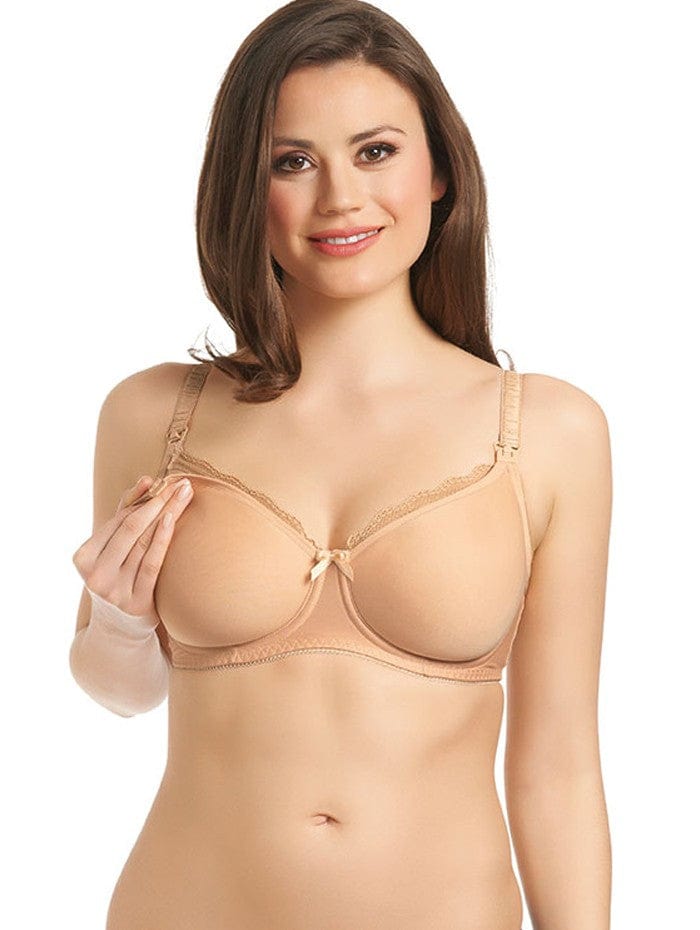
Freya Pure Nursing Bra Nude
Sale price
$94.95
Sale price
$94.95
Regular price
$89.95
Sale price
$35.00
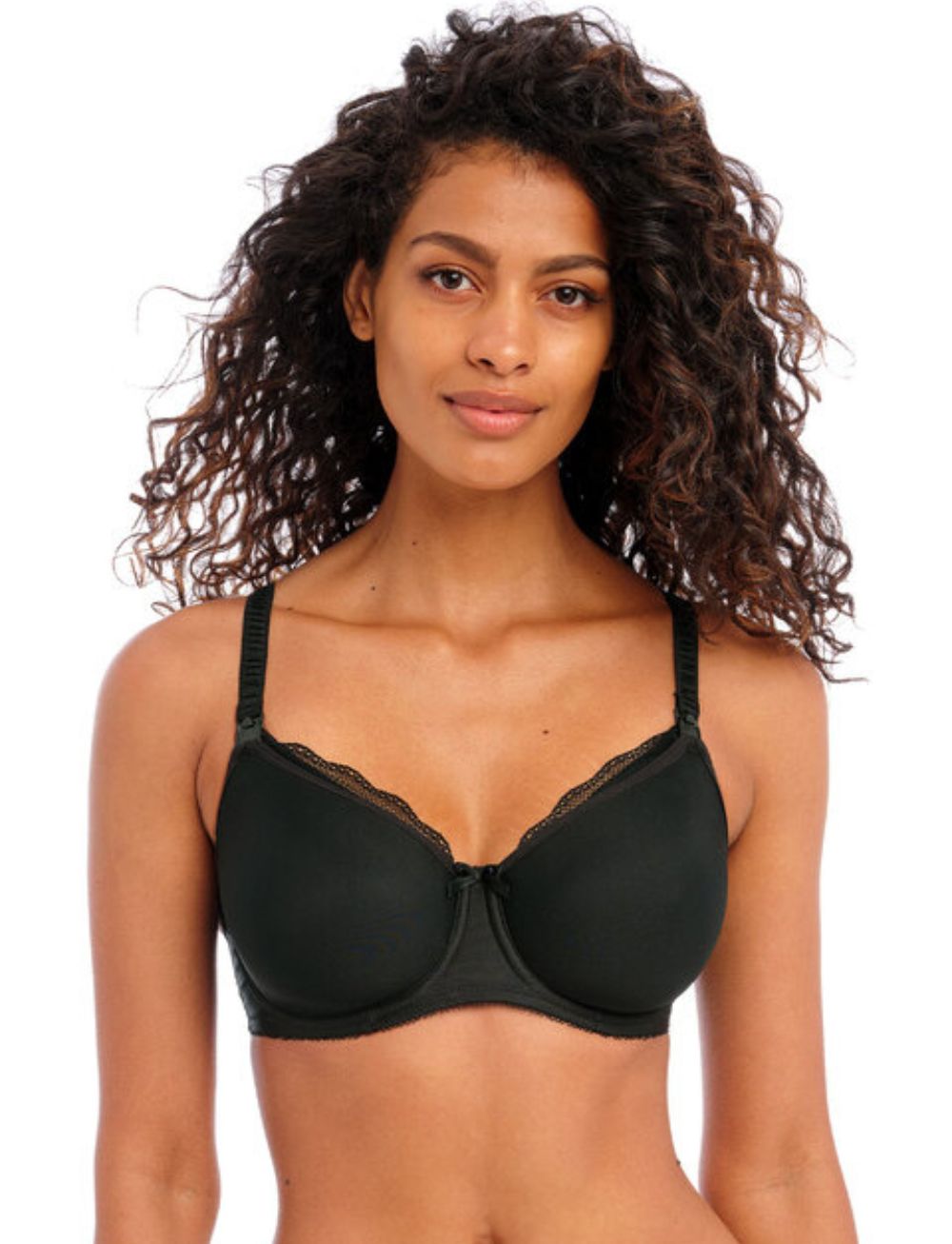
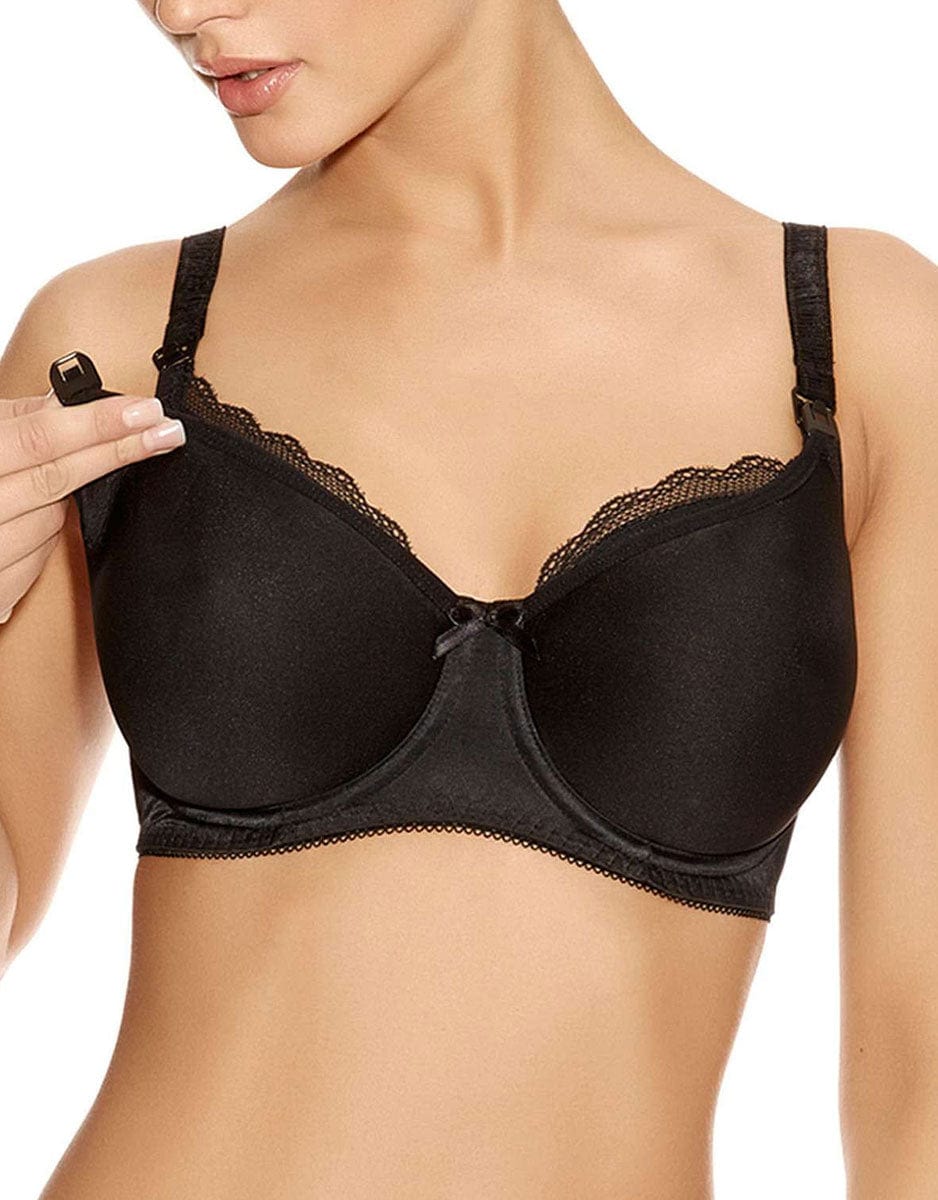
Freya Pure Nursing Bra Black
Sale price
$94.95
Sale price
$94.95
Regular price
$89.95
Sale price
$35.00
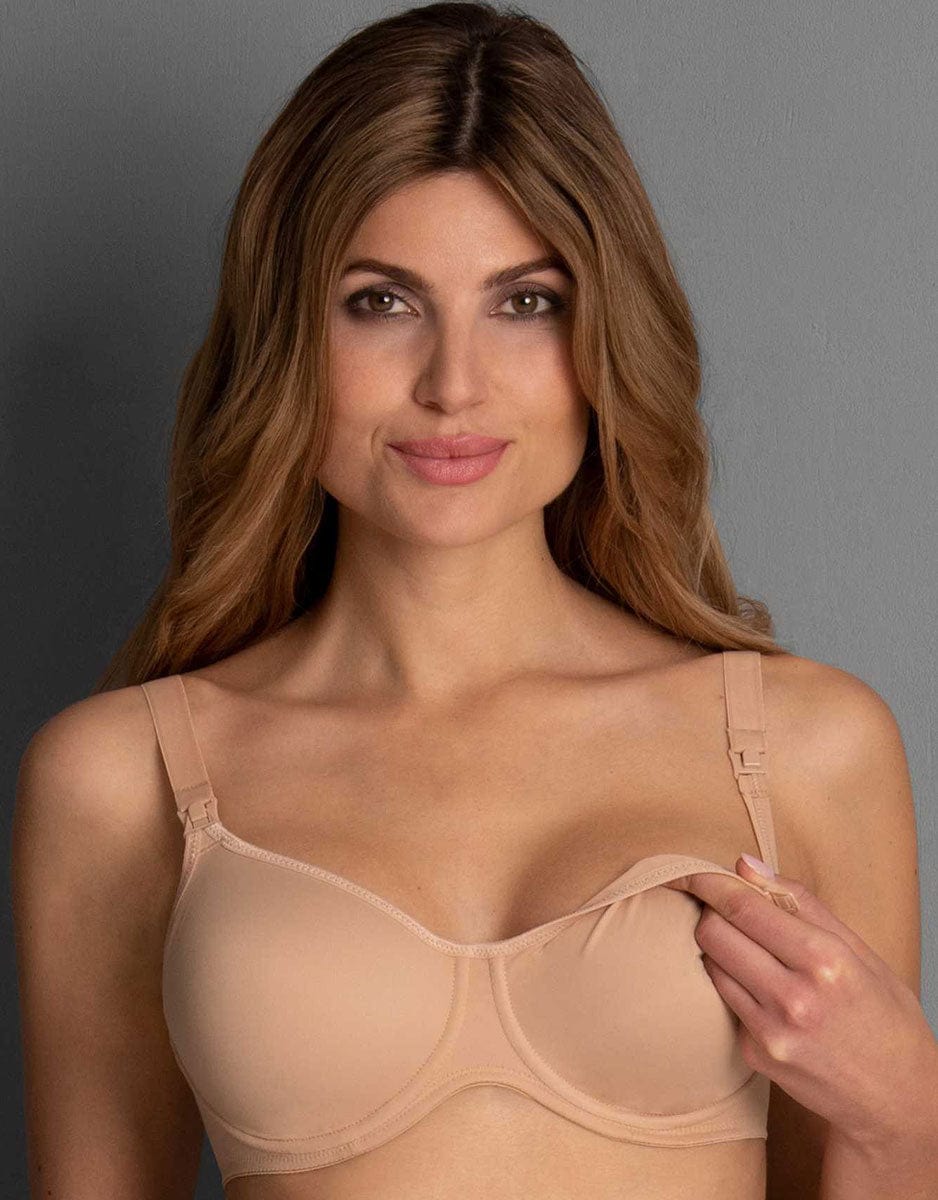
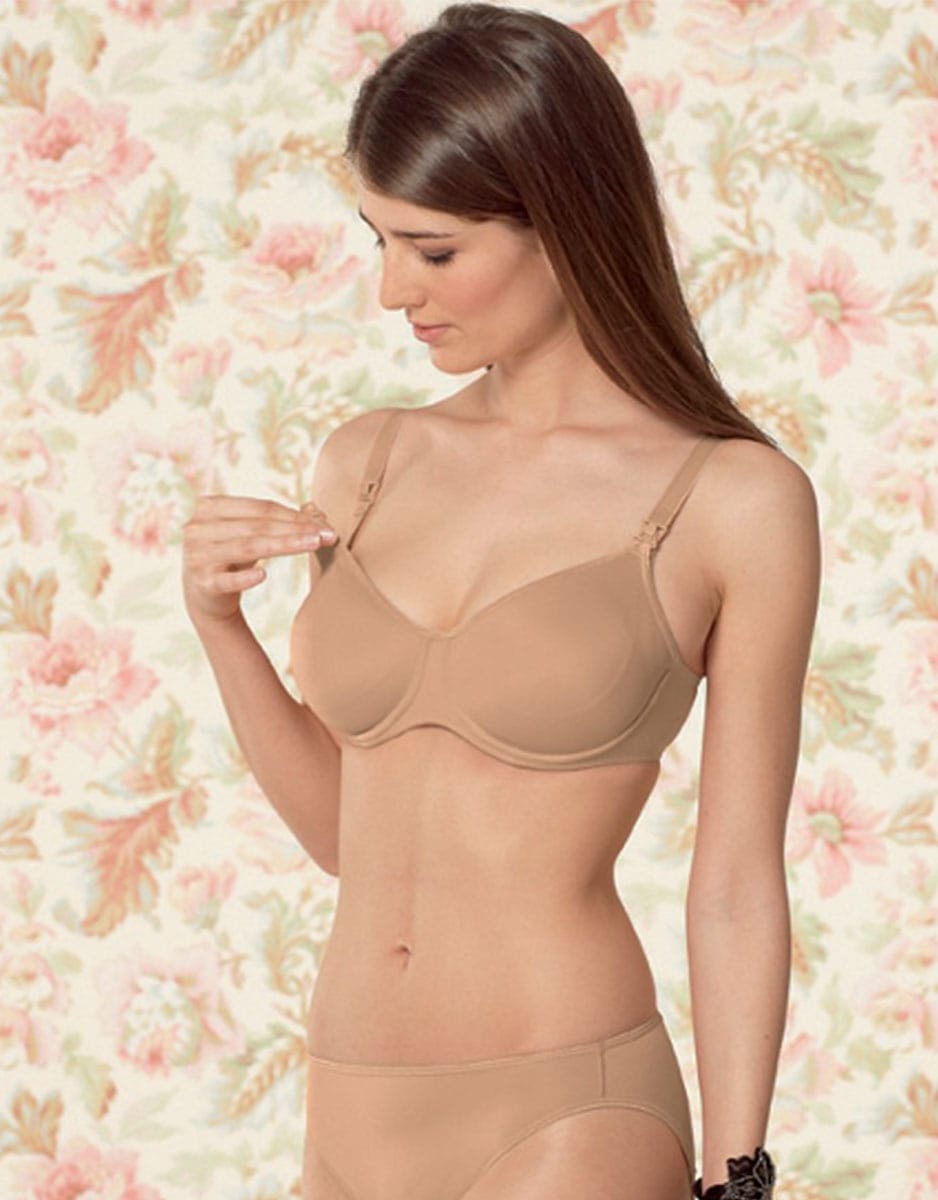
Anita Basic Microfibre Underwire Nursing Bra Deep Sand
Sale price
$119.95
Sale price
$119.95
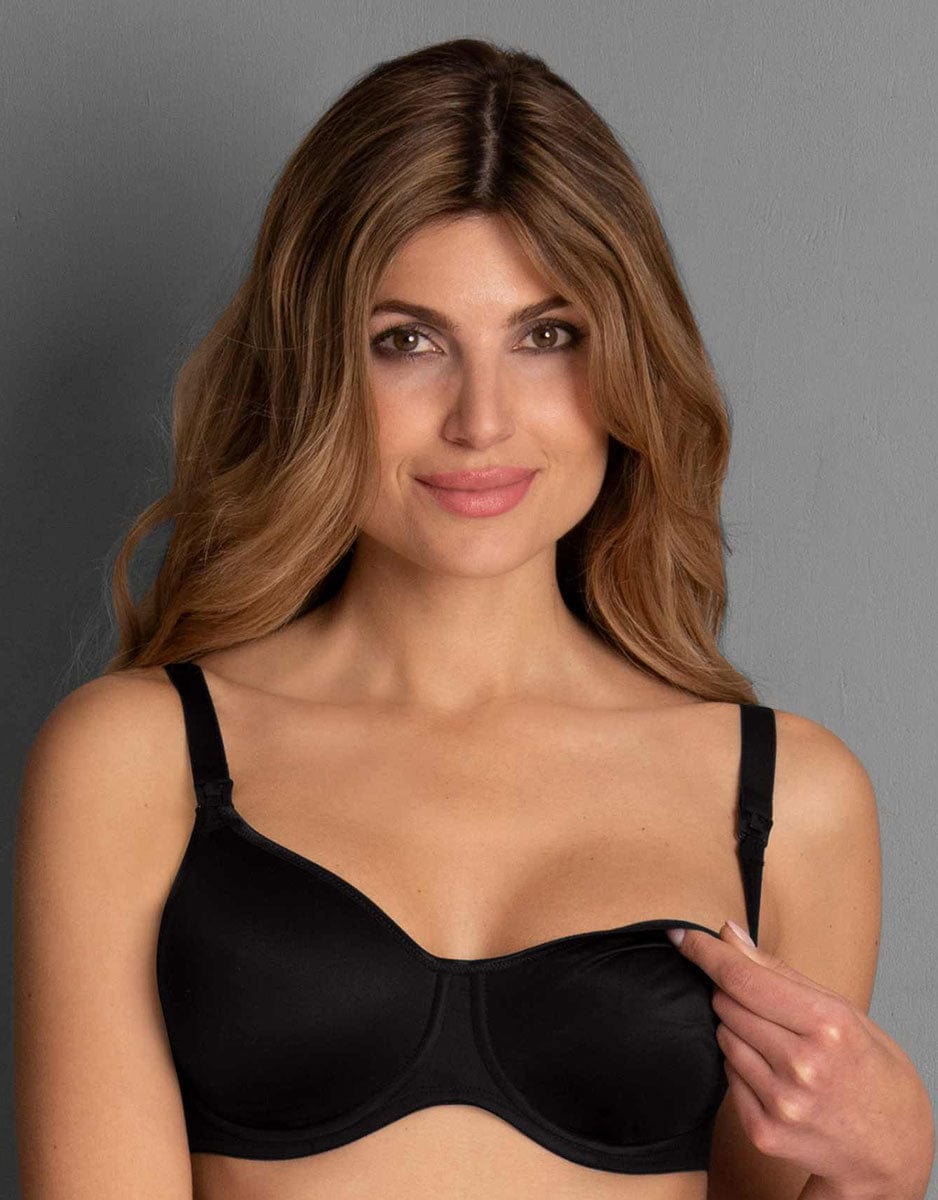
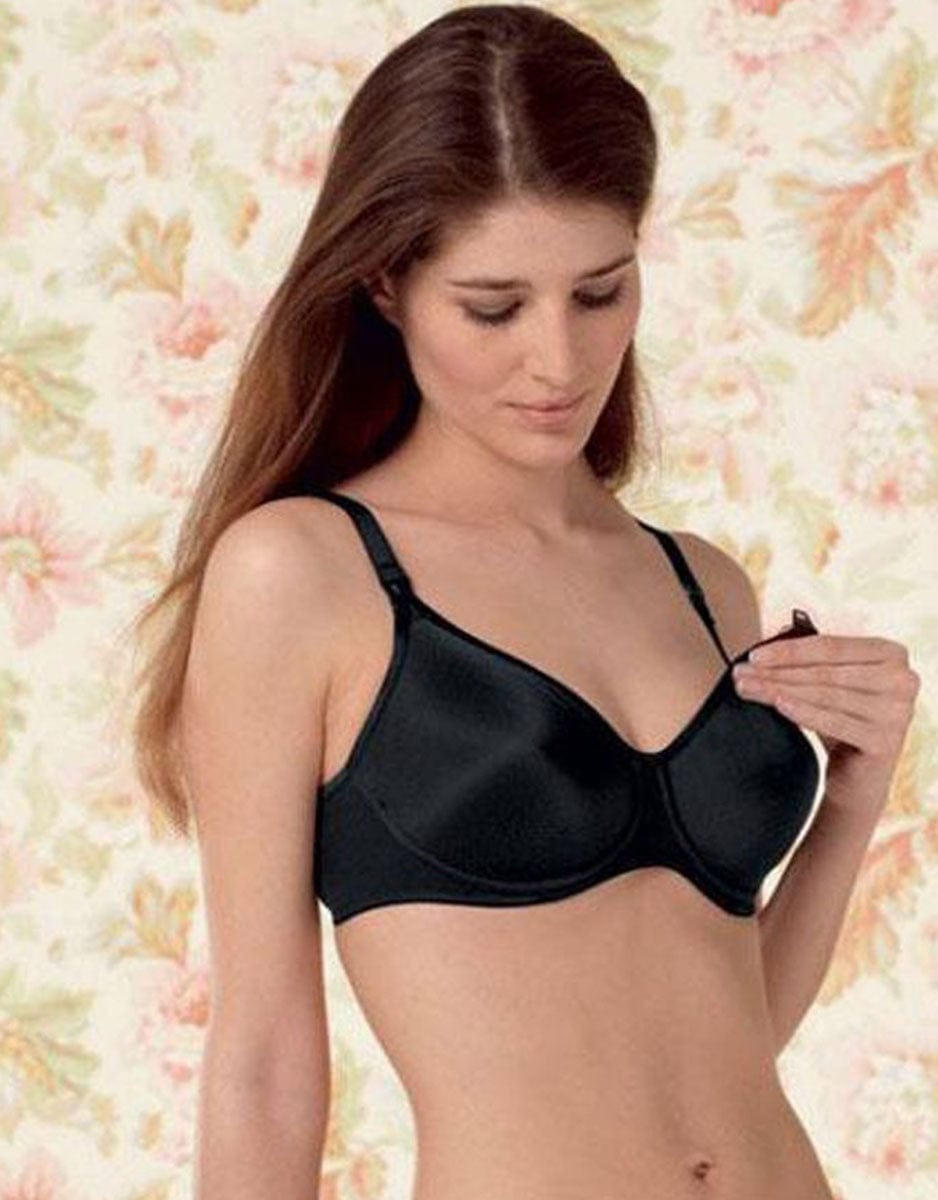
Anita Basic Microfibre Underwire Nursing Bra Black
Sale price
$119.95
Sale price
$119.95


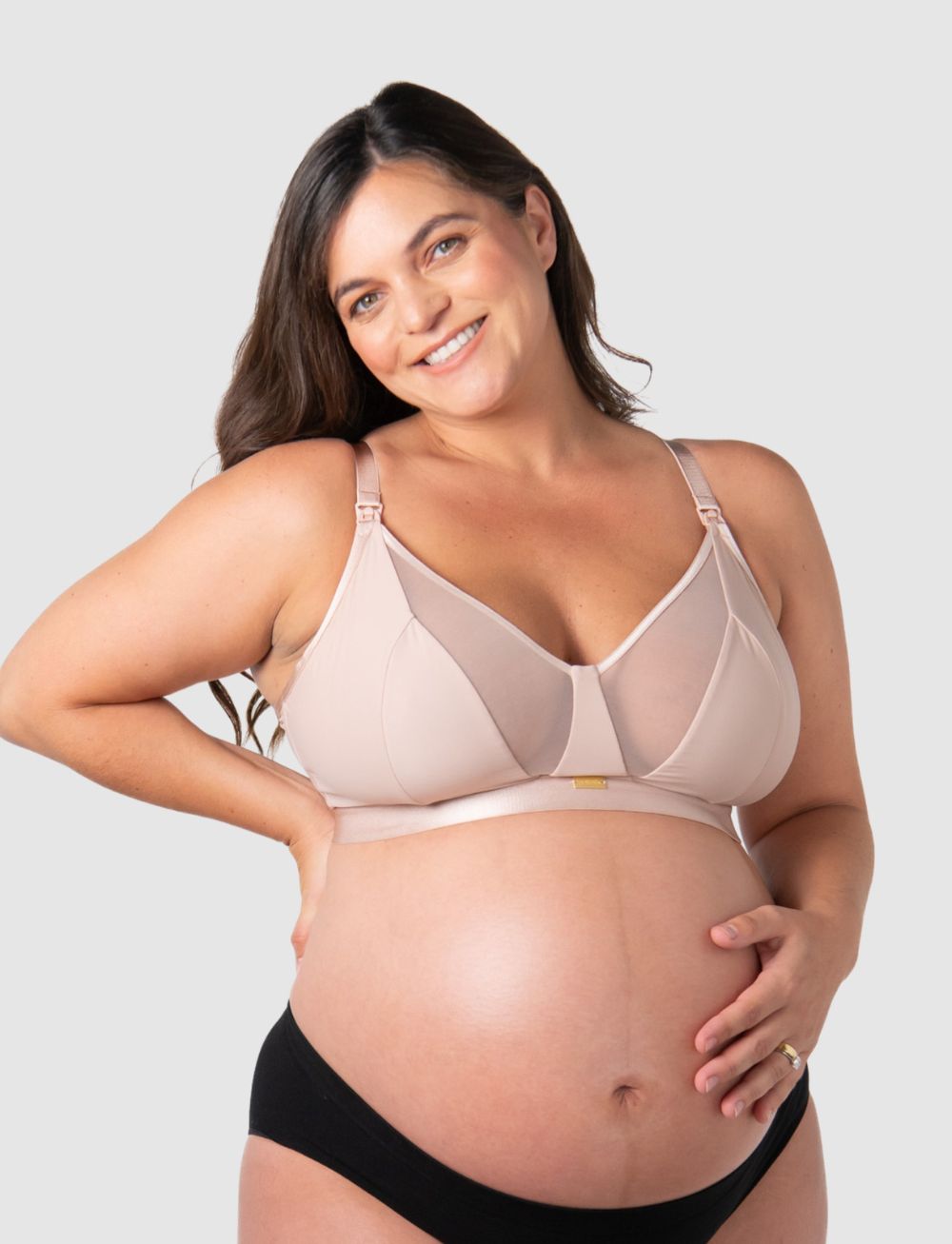
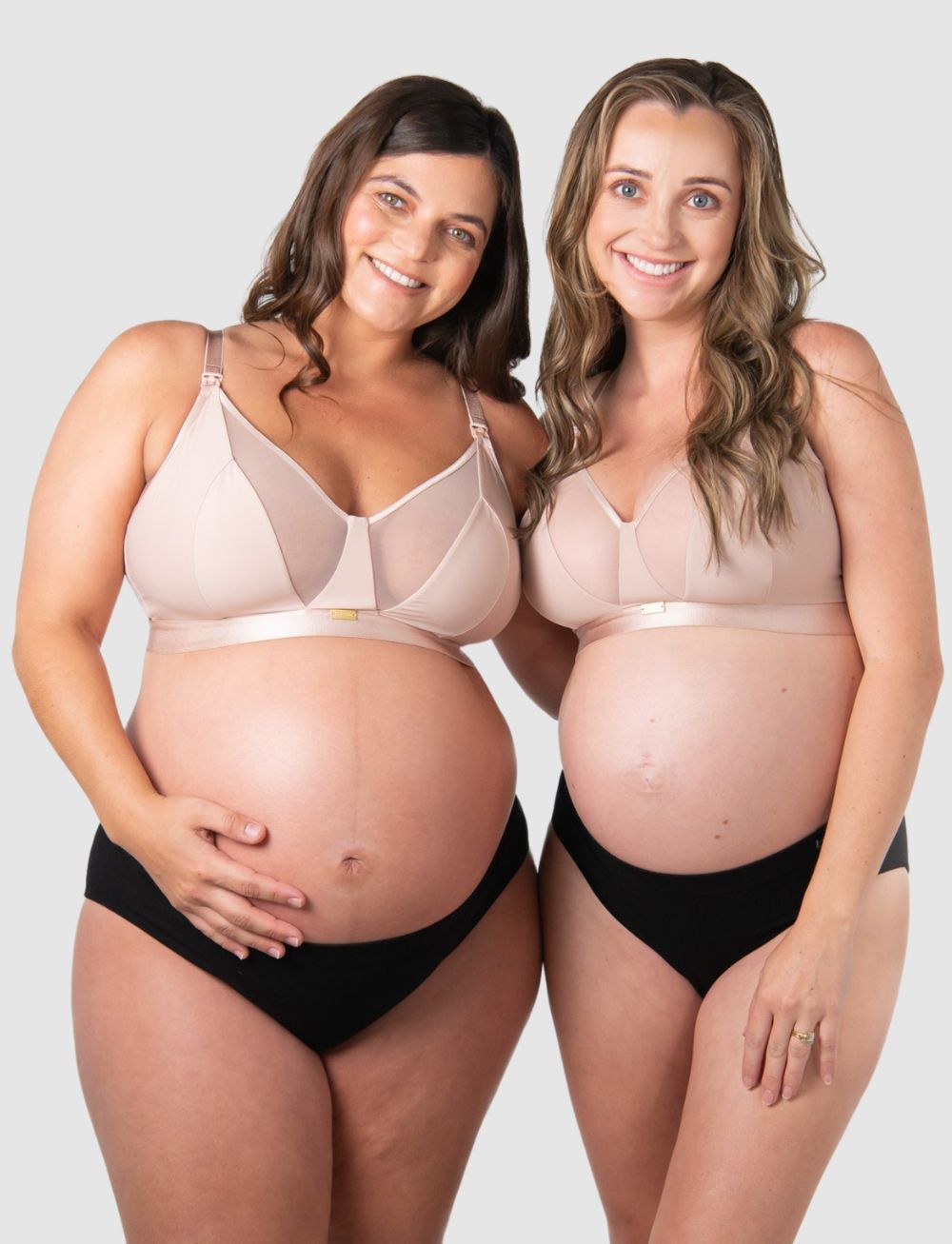
Hotmilk Flawless Full Cup Plunge Nursing Bra Cashmere
Sale price
$89.95
Sale price
$89.95
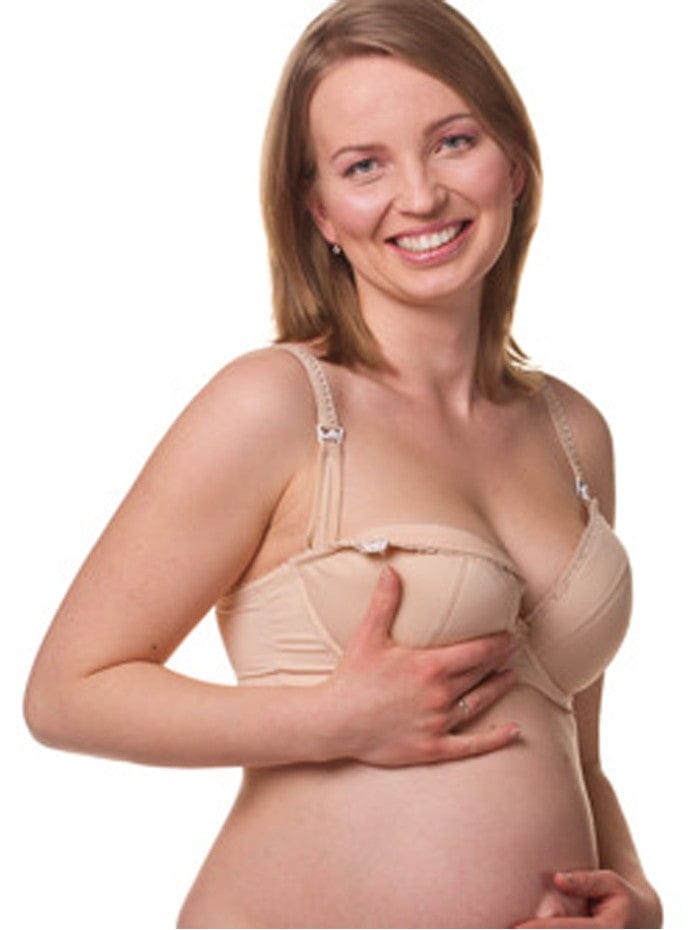
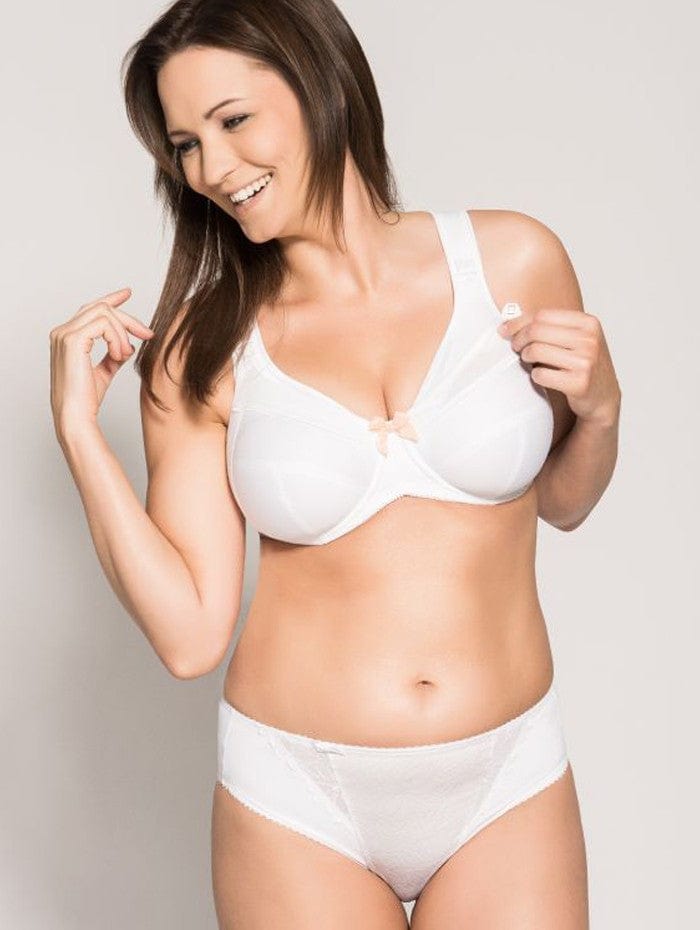
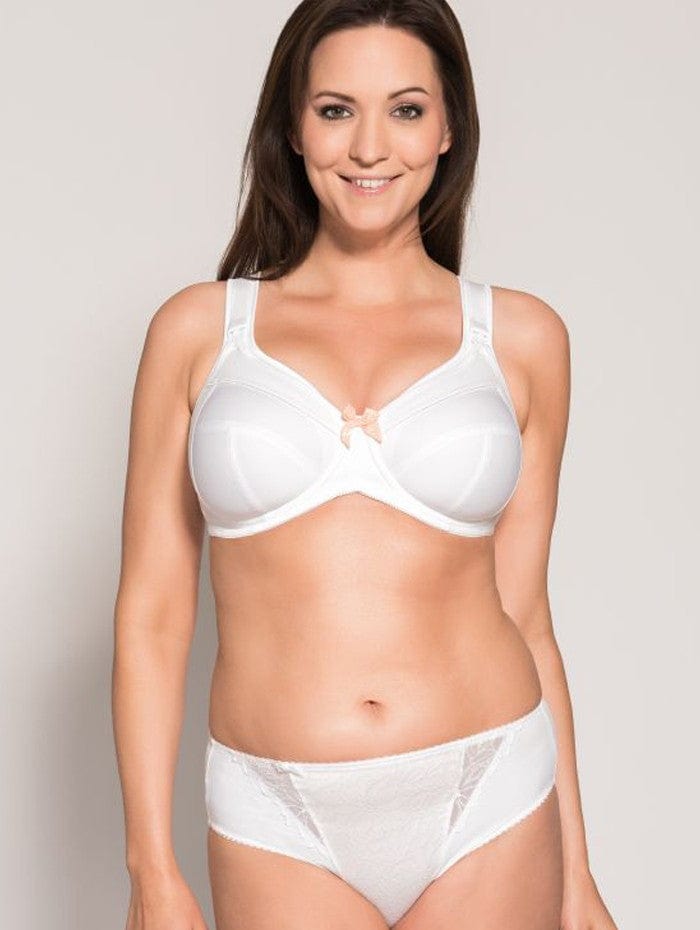
Ulla Lilly Underwired Nursing Bra White
Regular price
$199.95
Sale price
$85.00
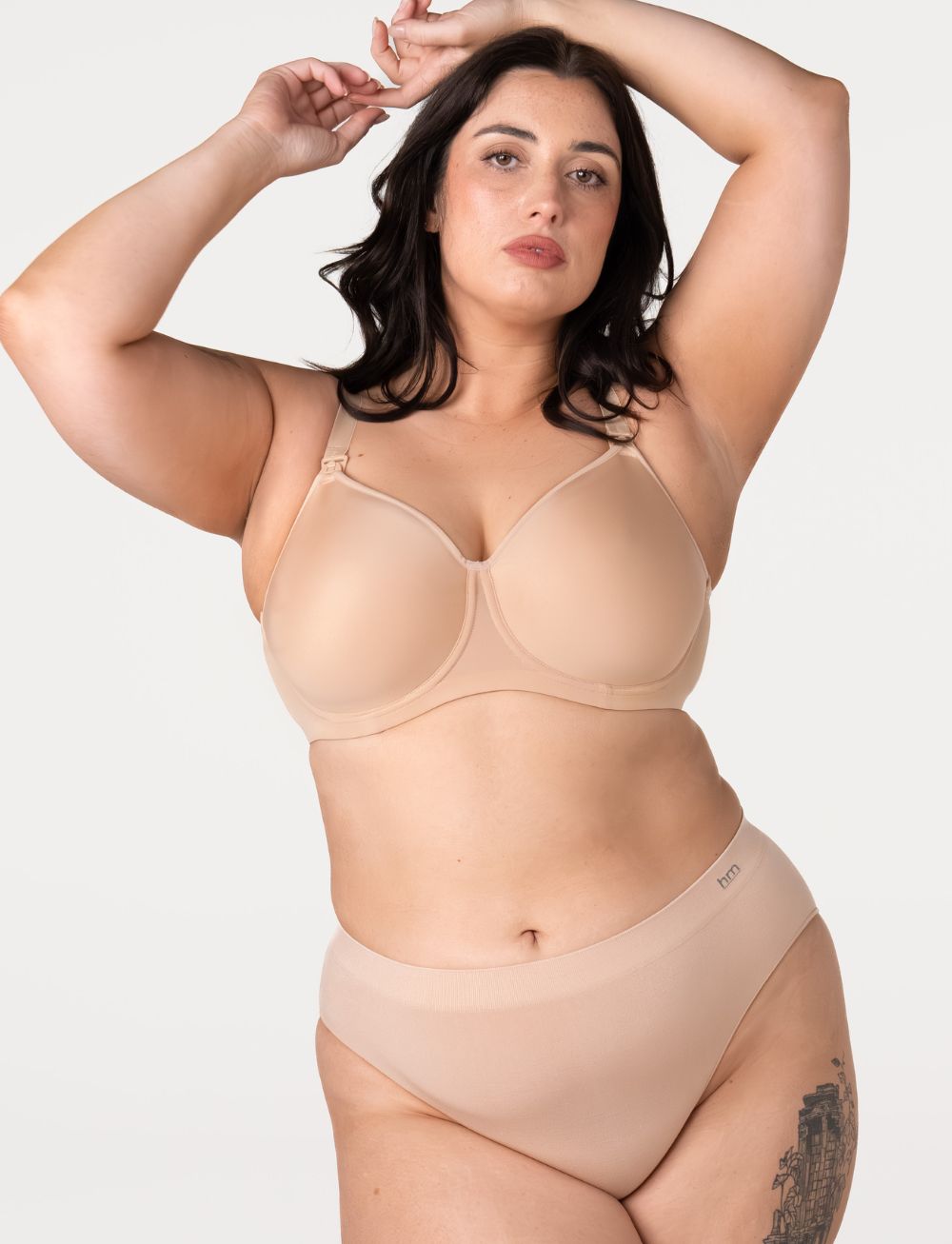
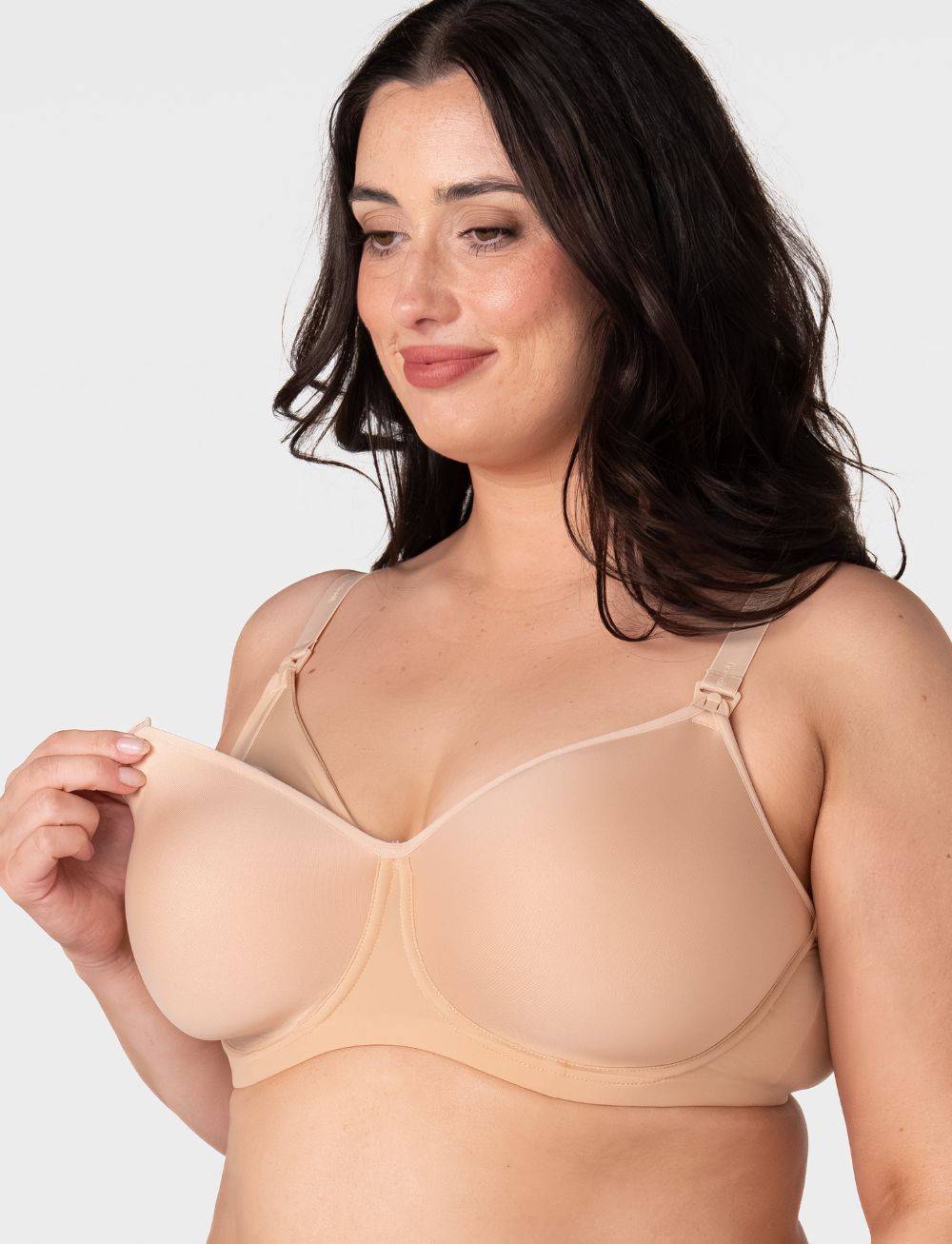
Hotmilk Obsession 2.0 T-Shirt Nursing Bra Frappe
Sale price
$89.95