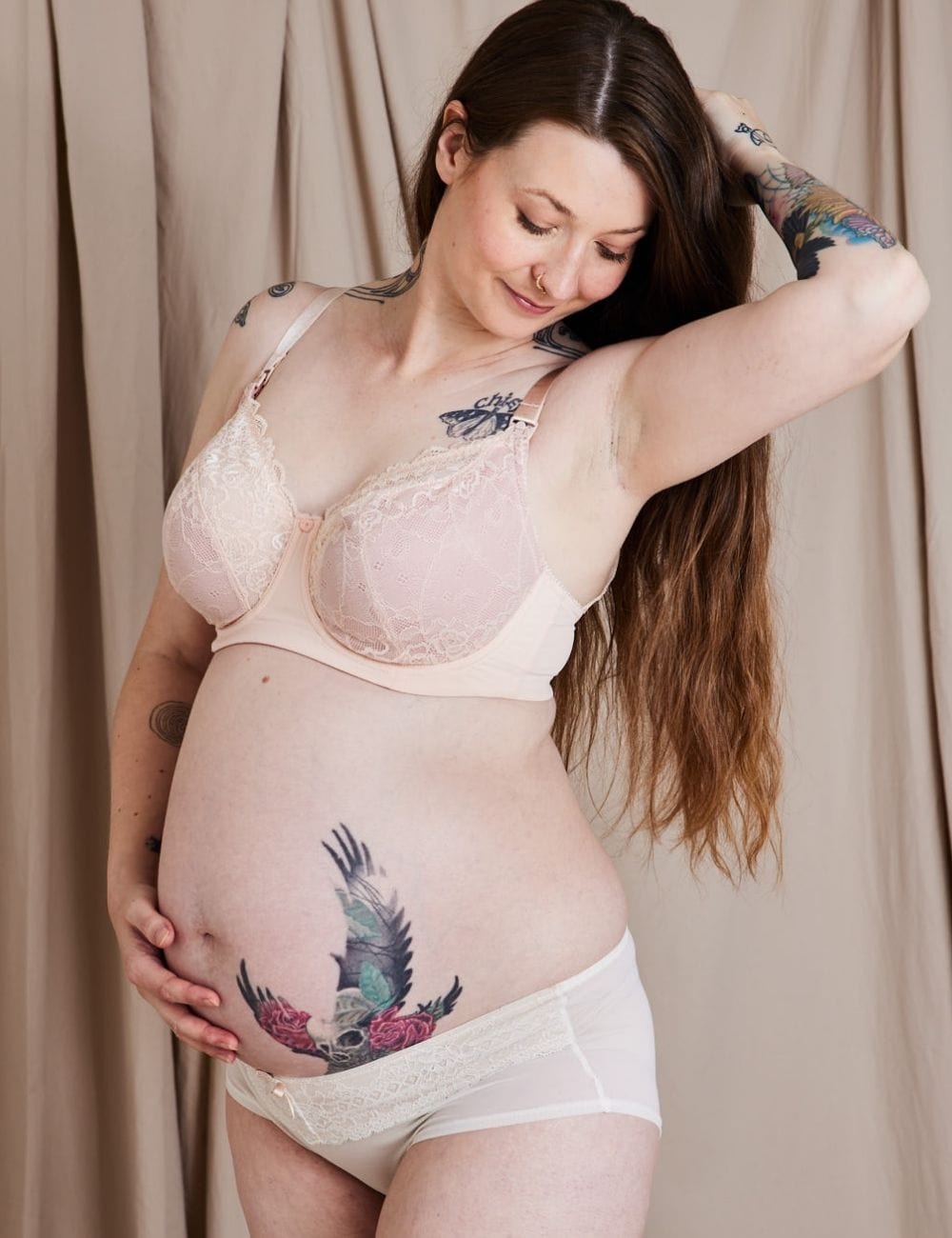
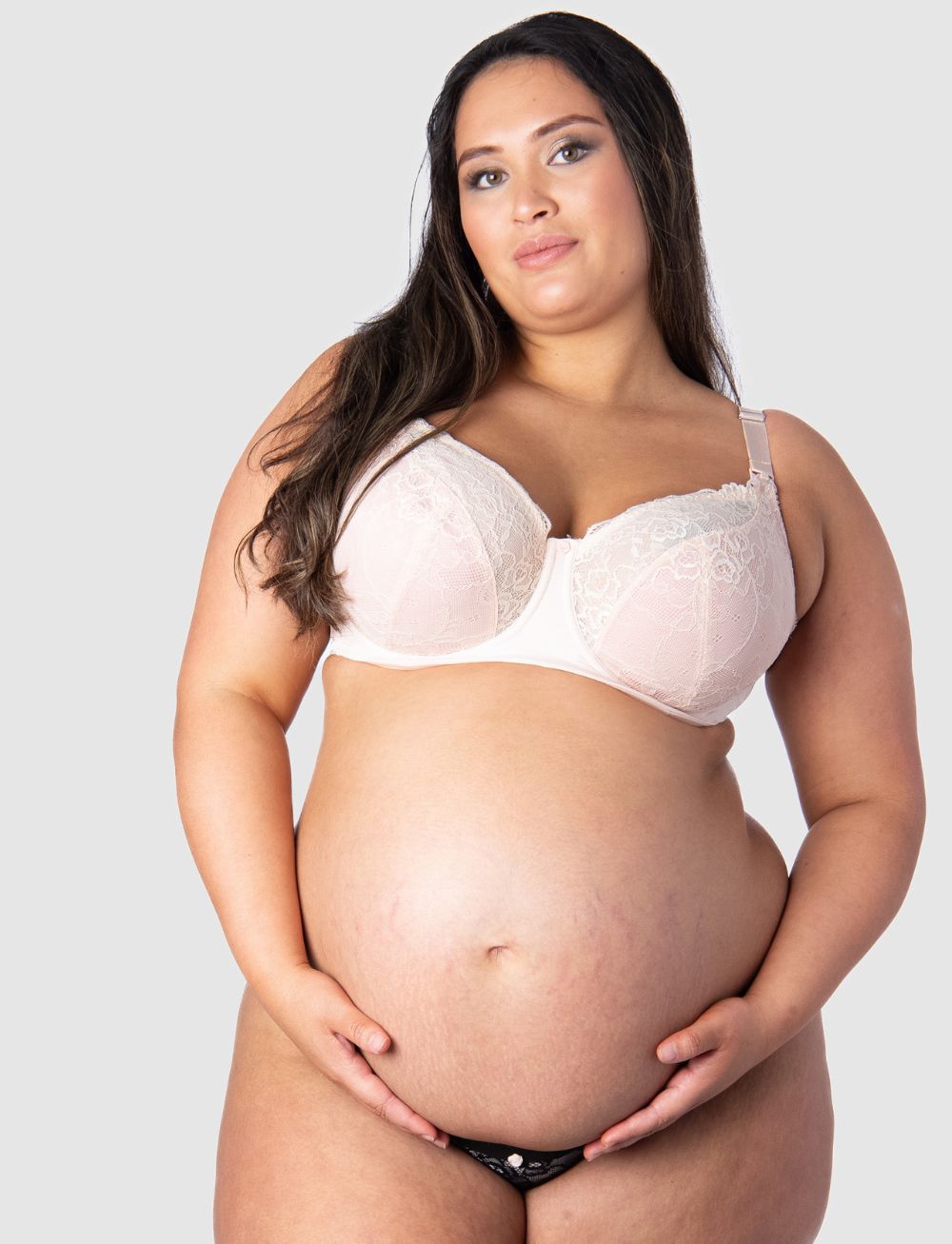
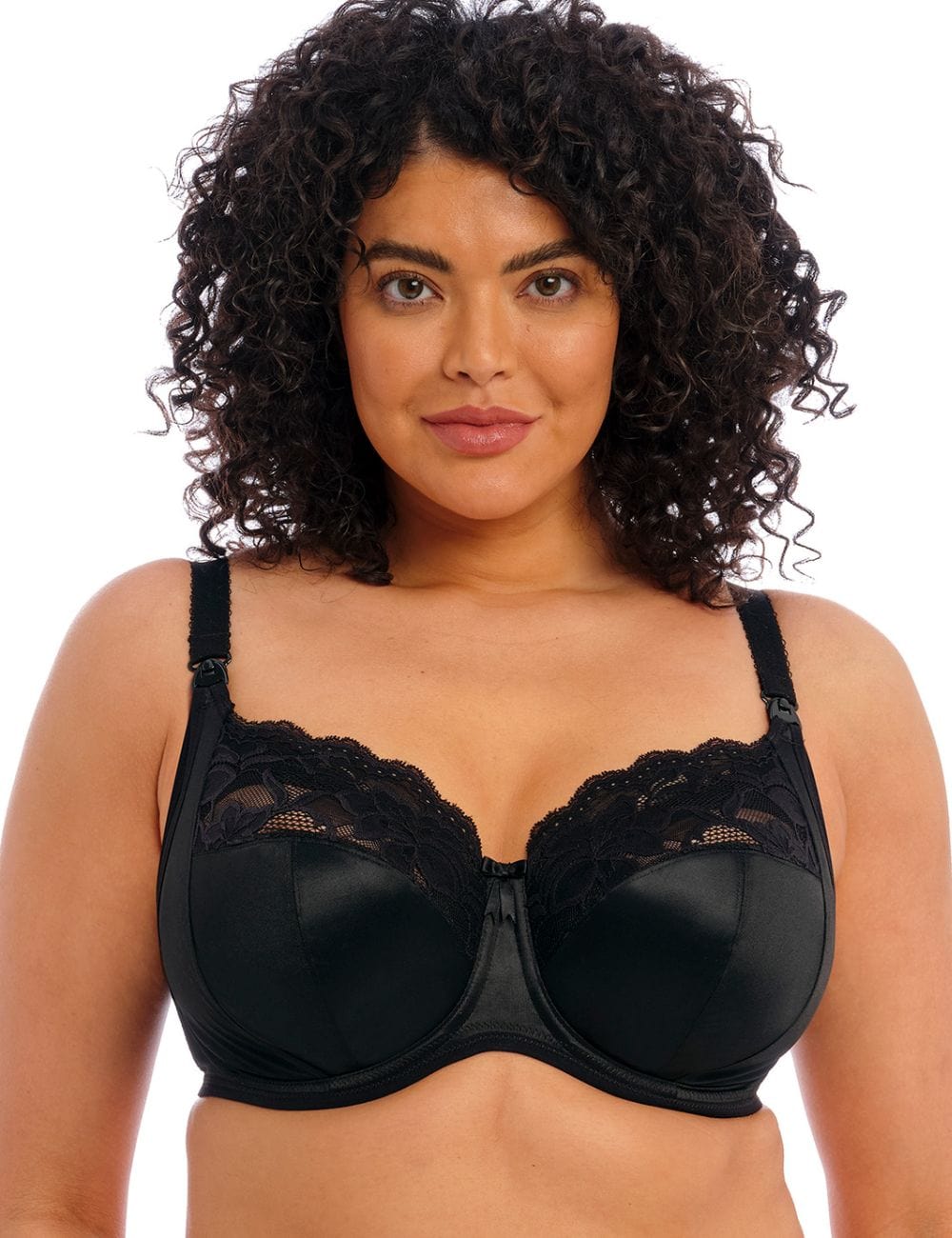
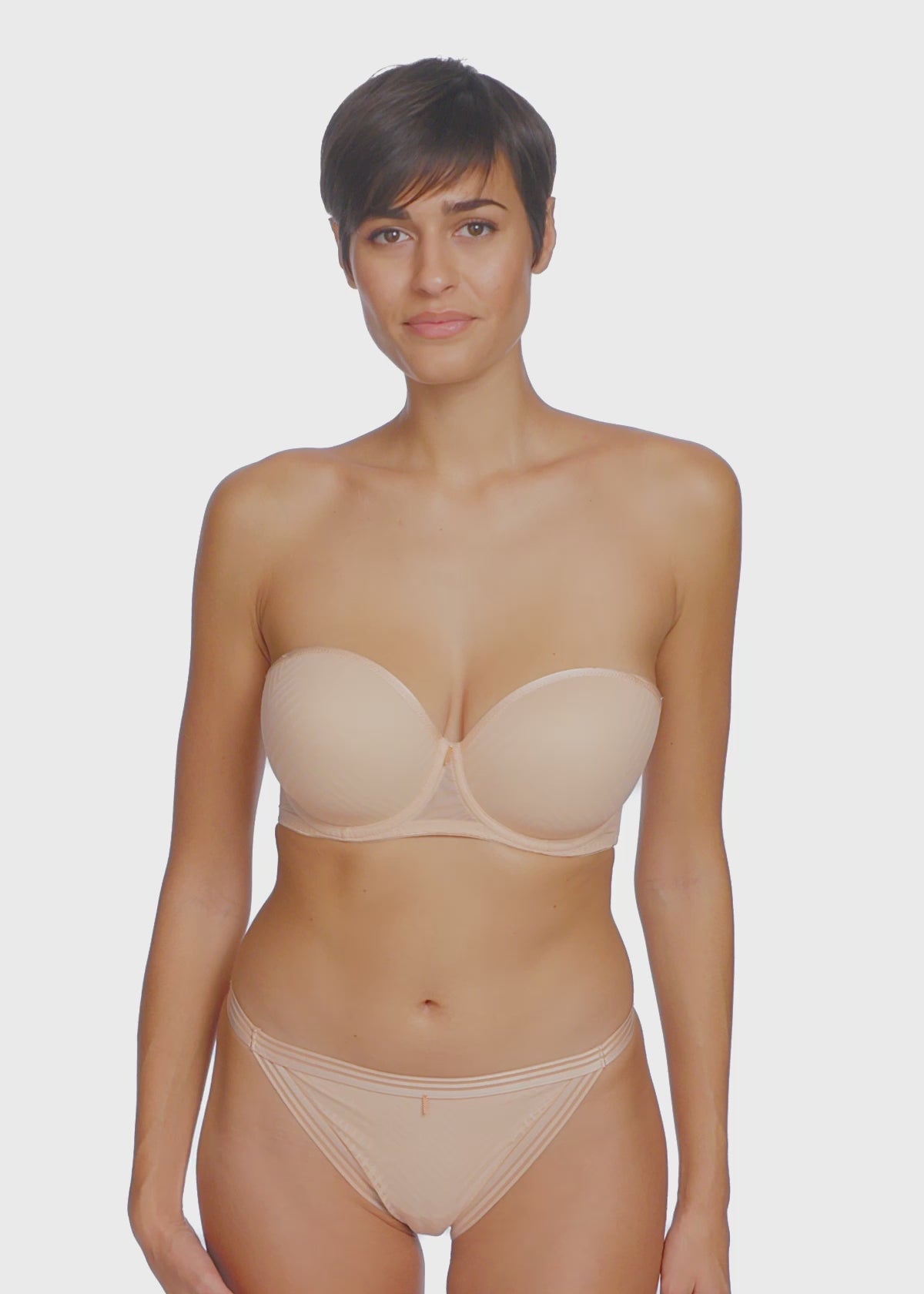
Maternity or nursing bra?
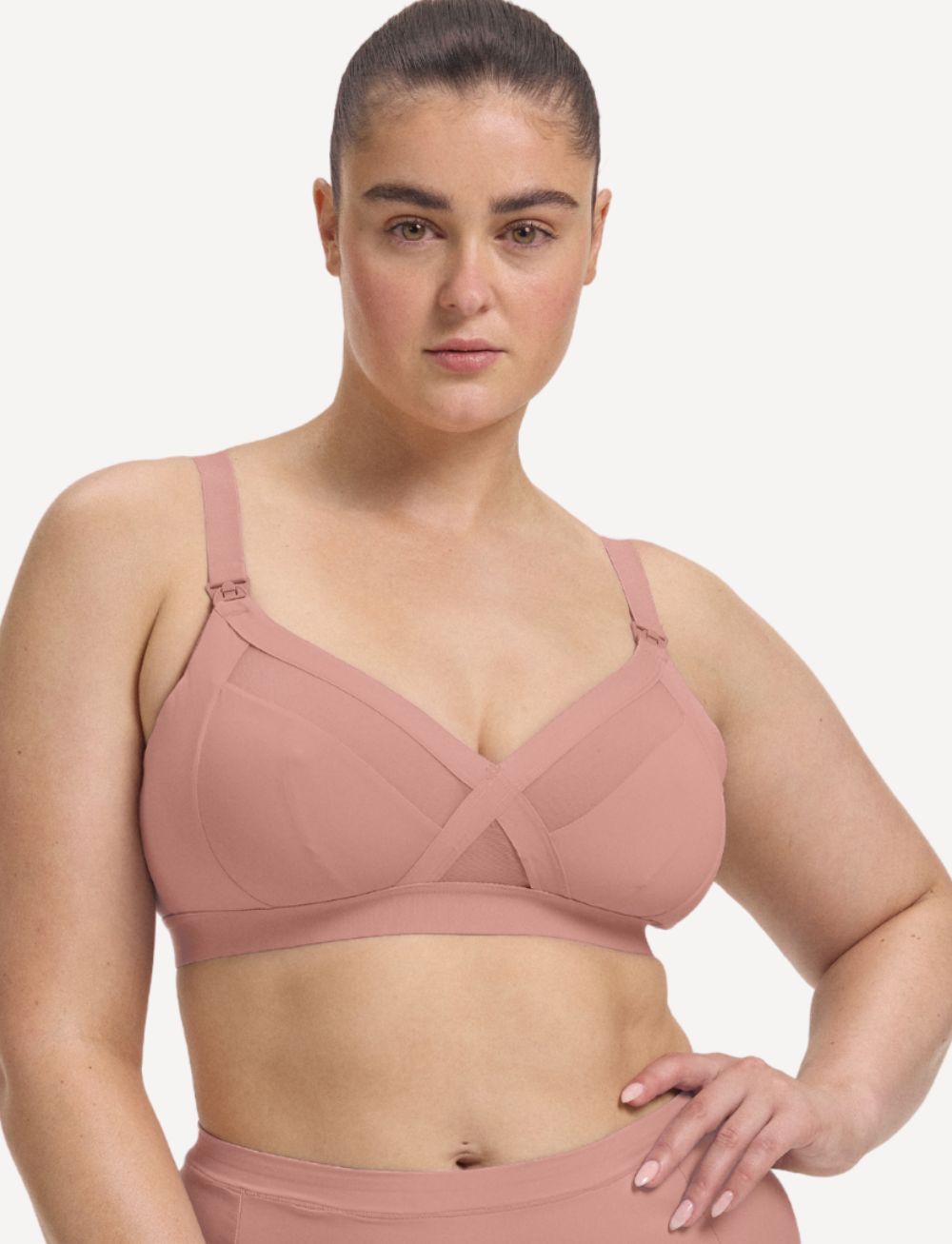
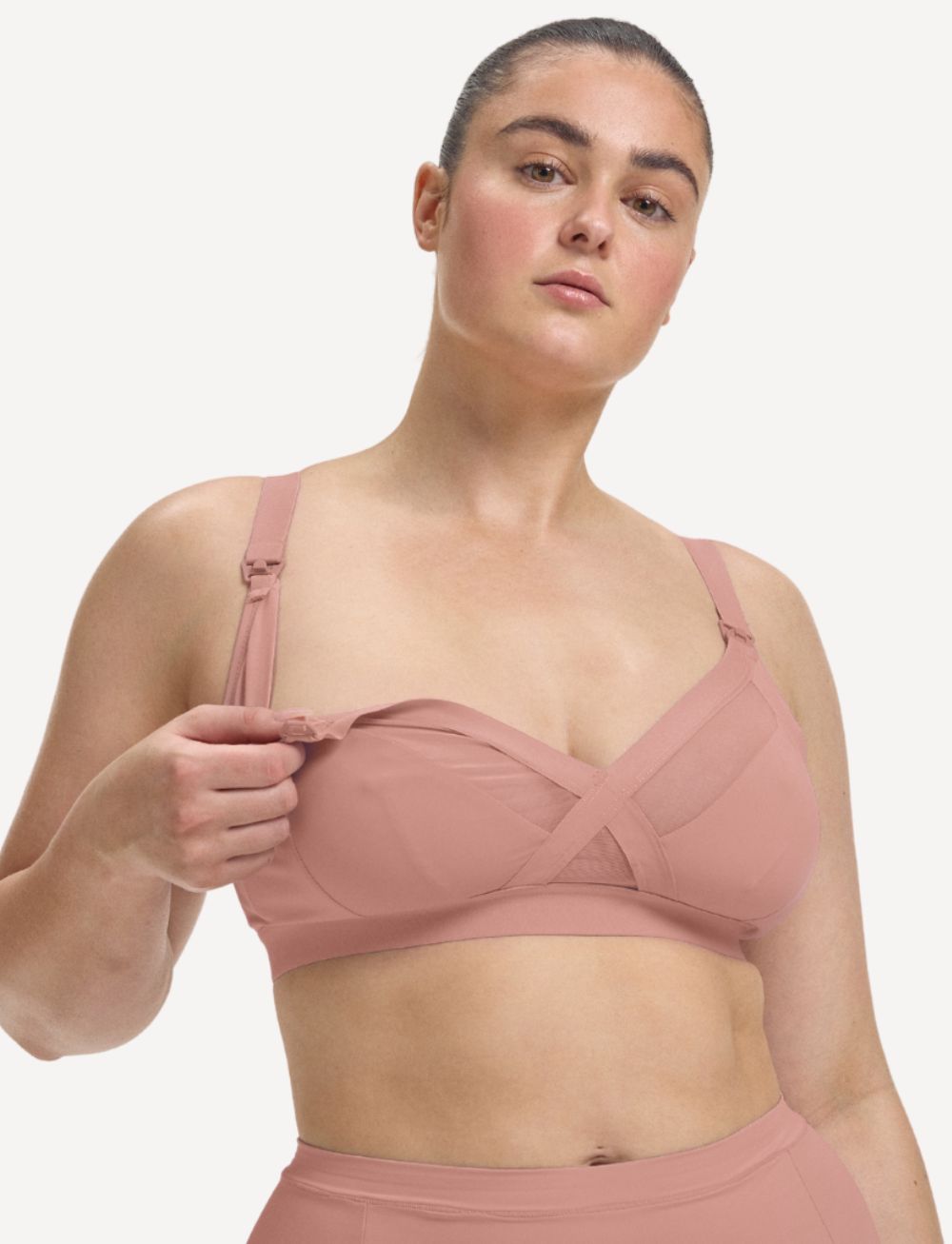
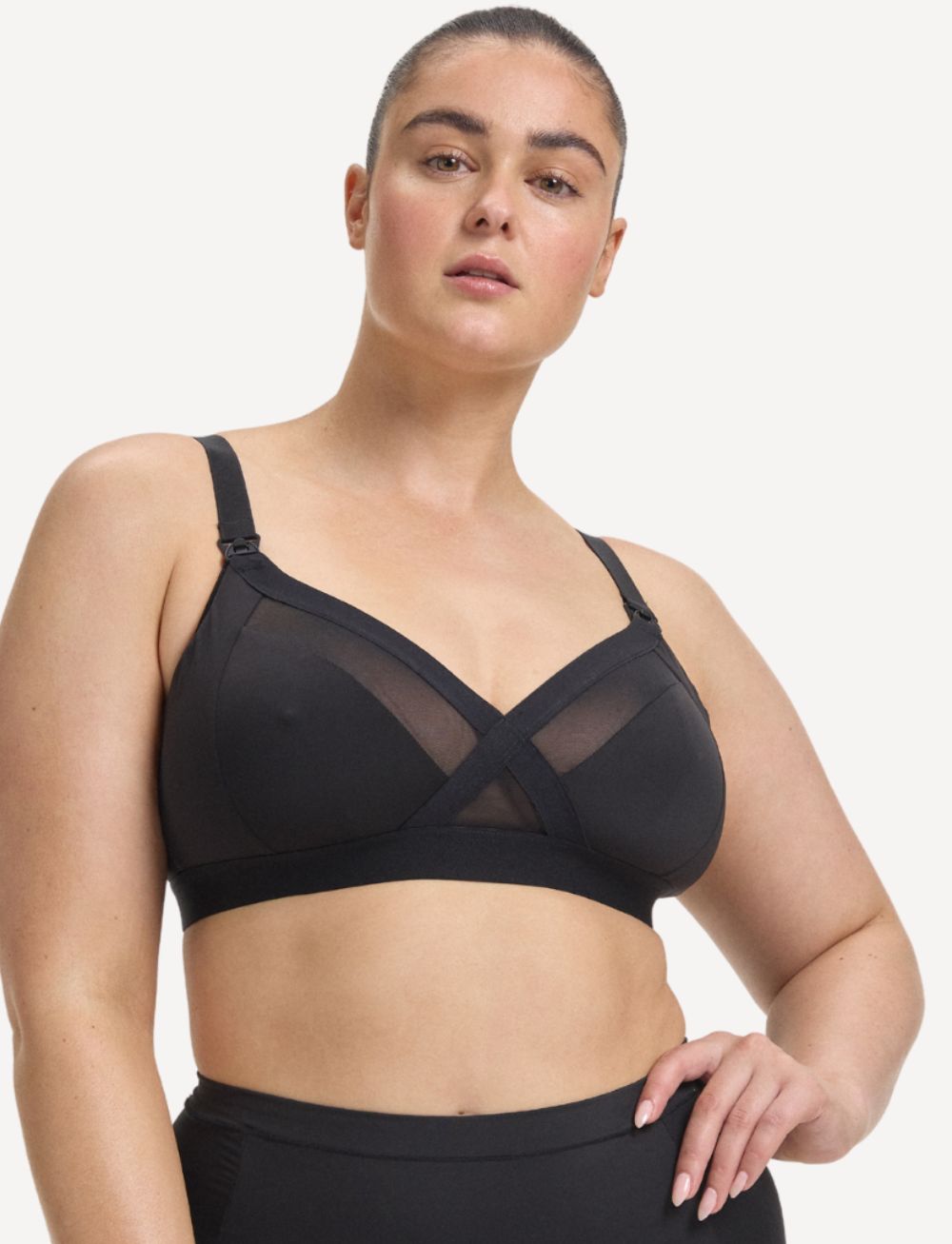
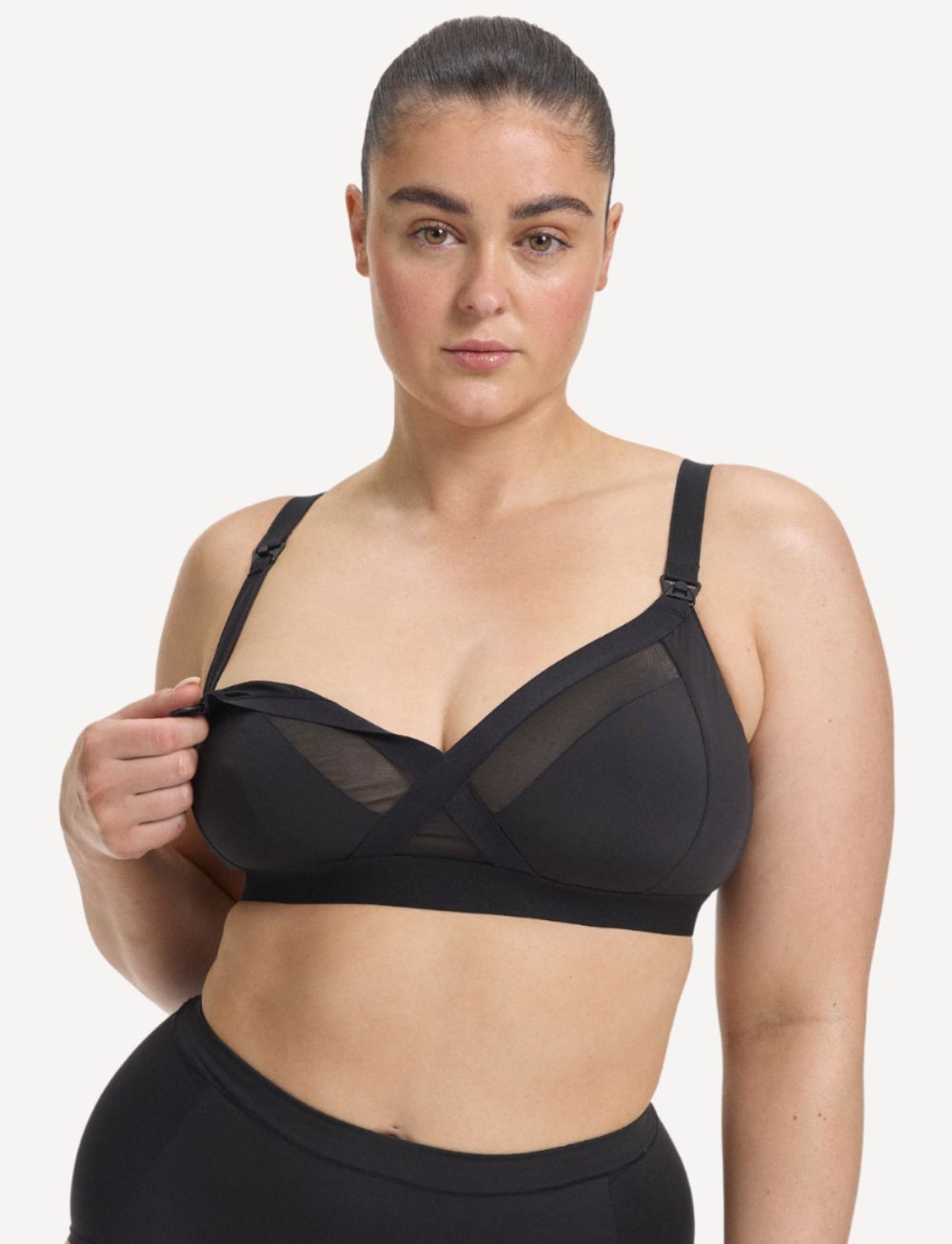
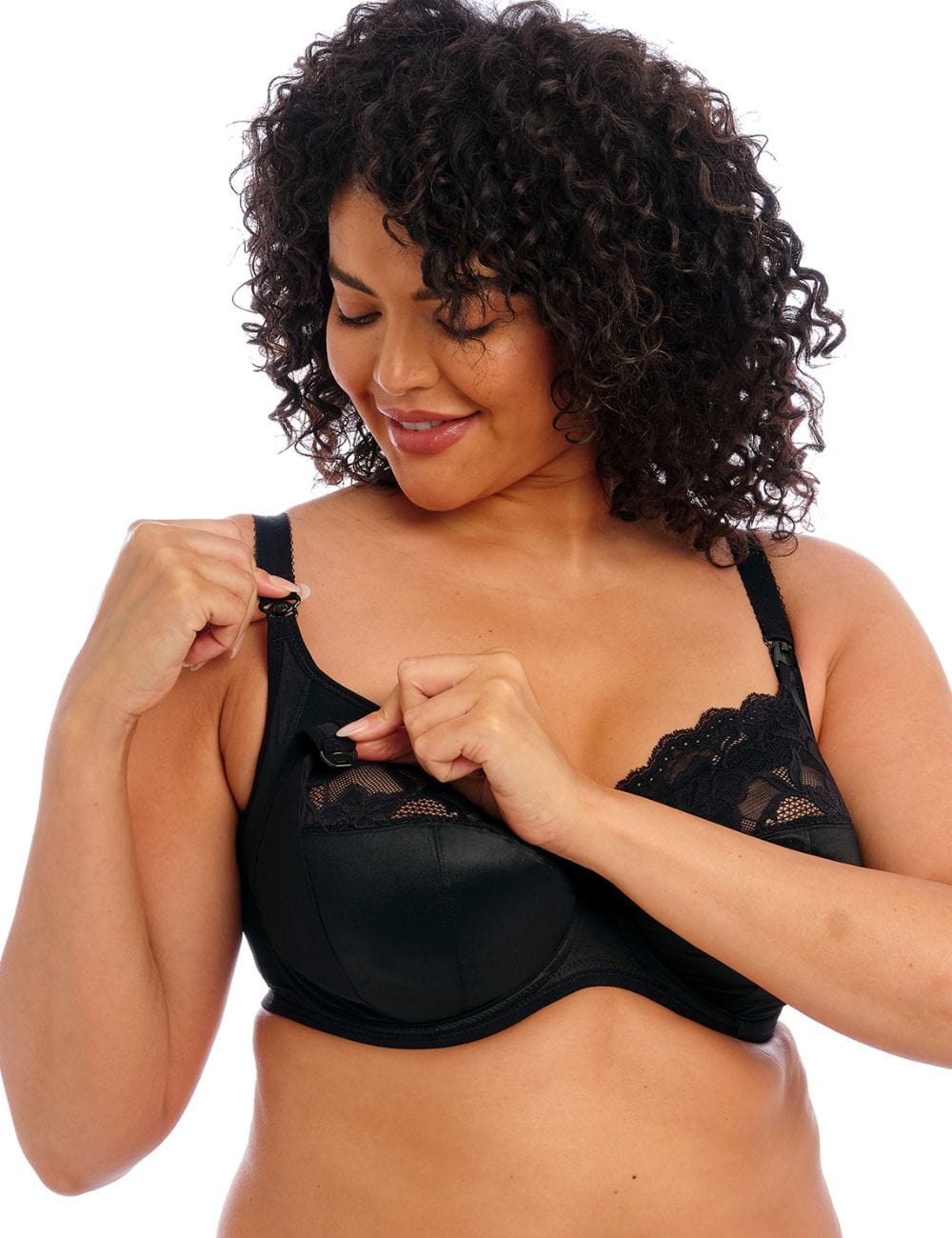
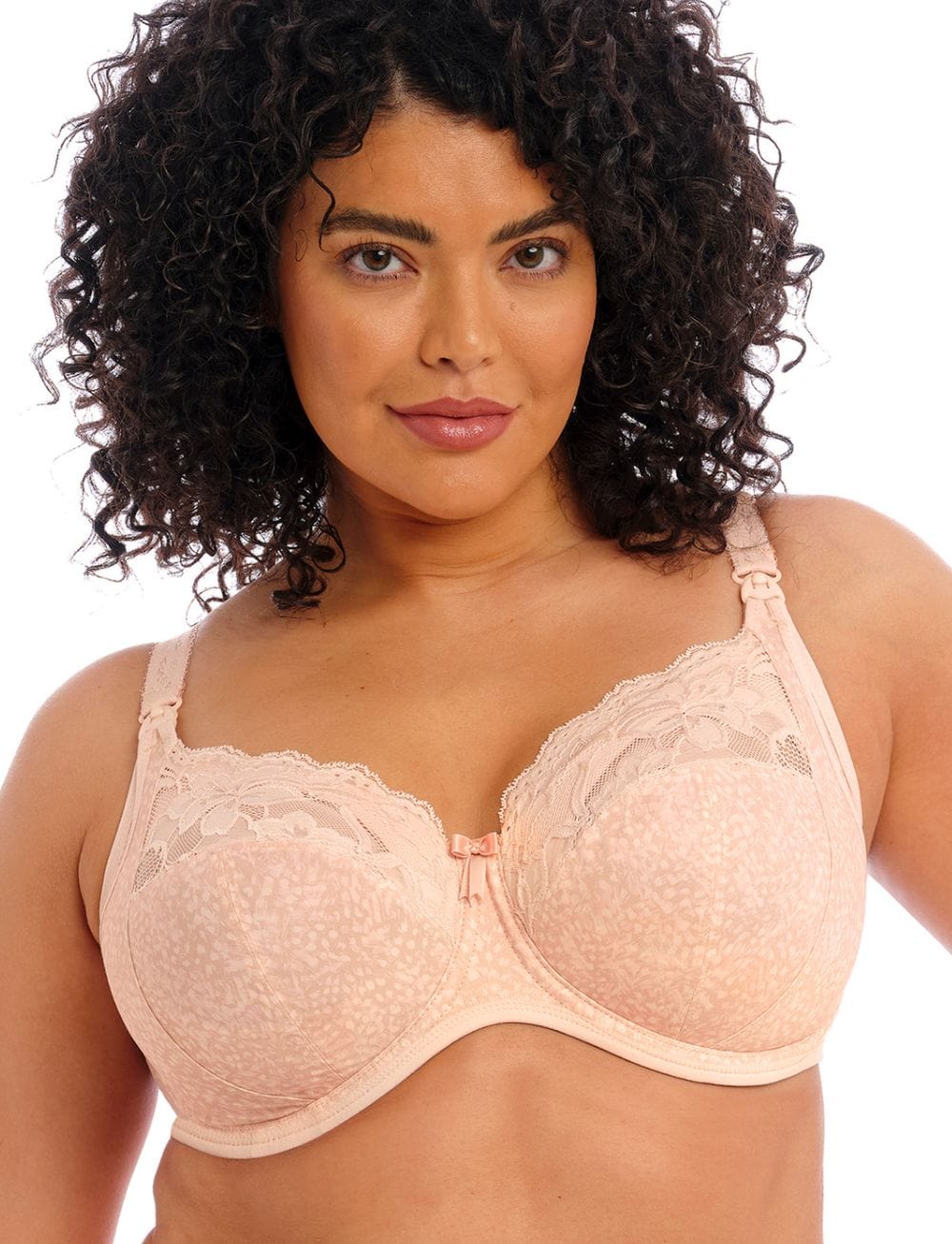
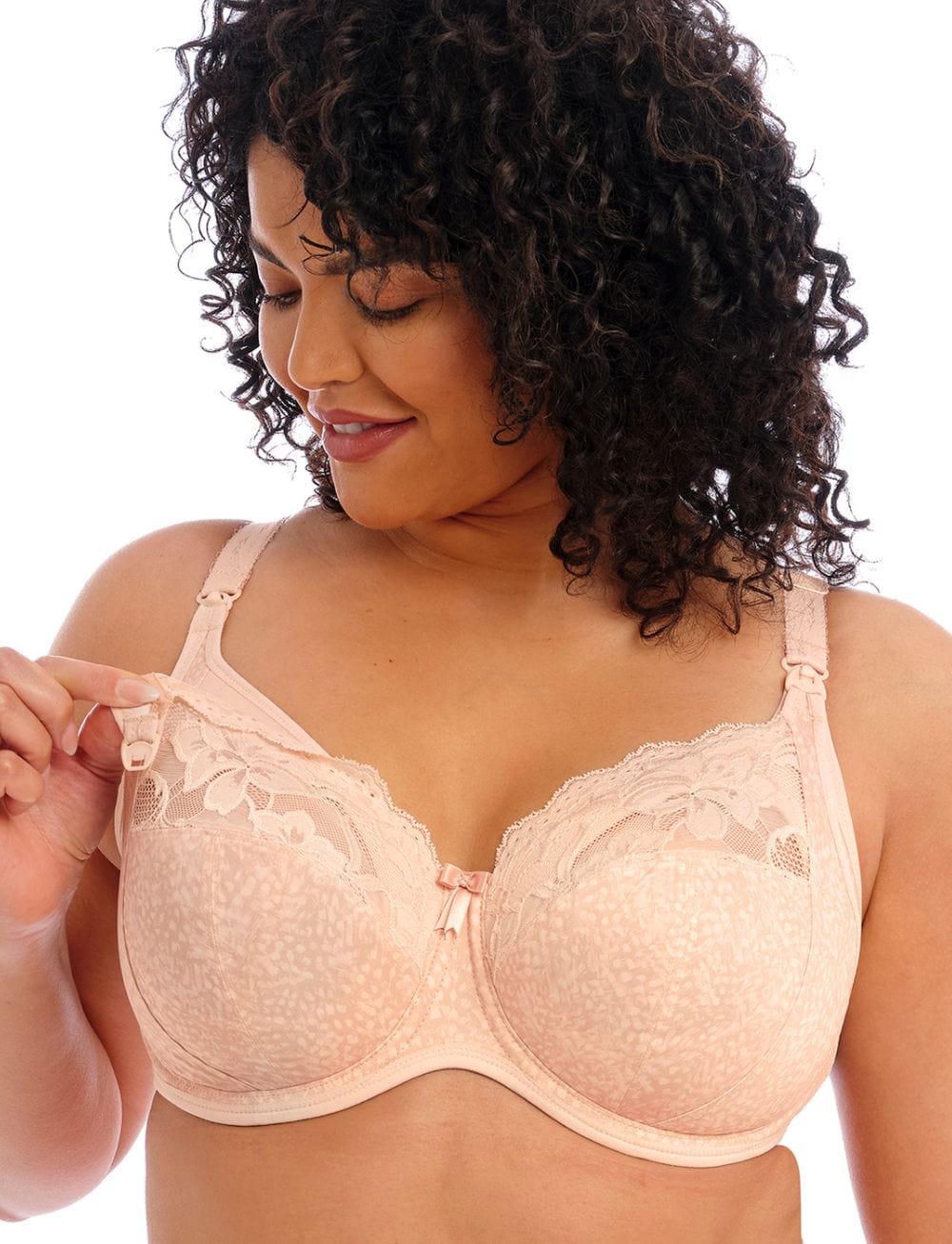
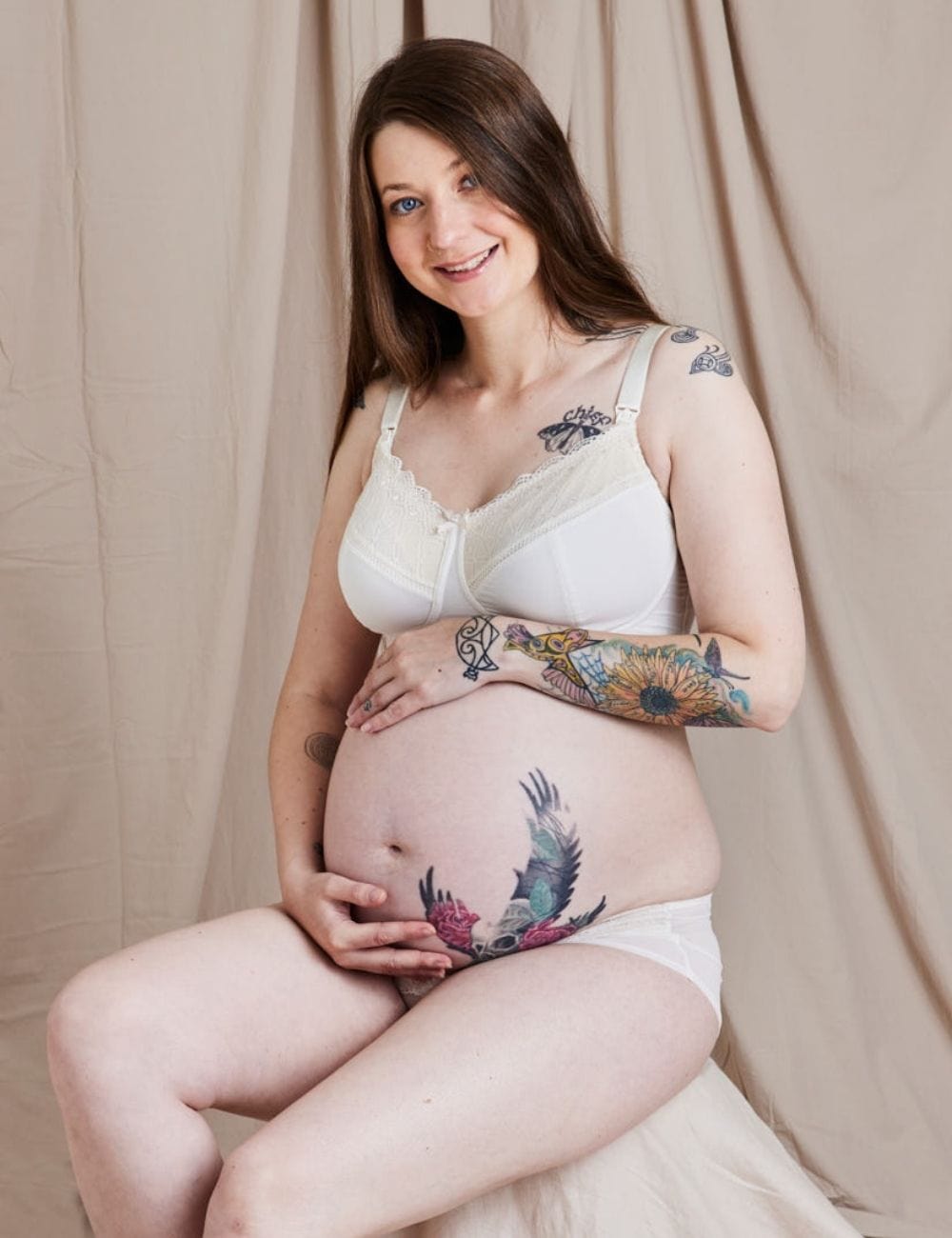
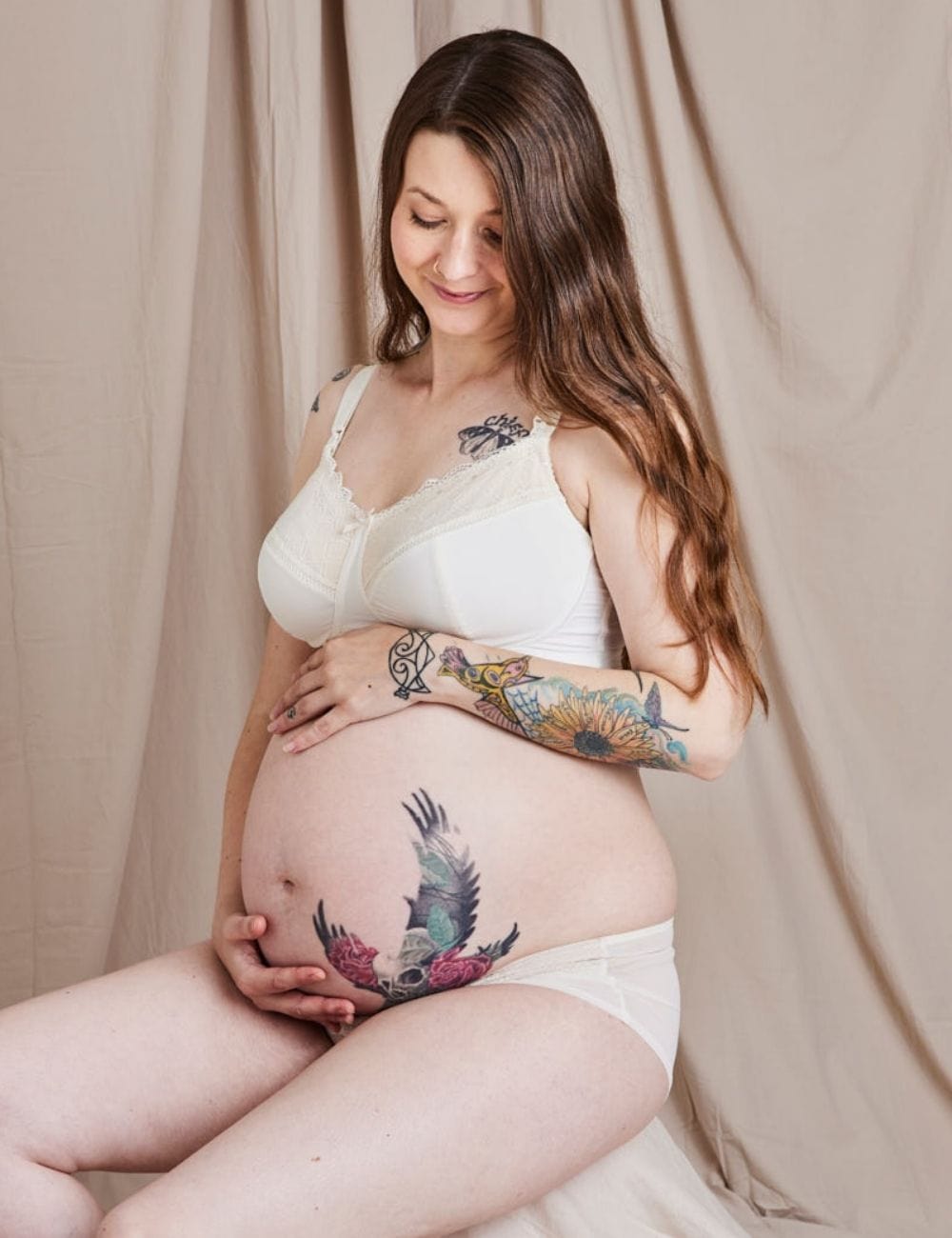
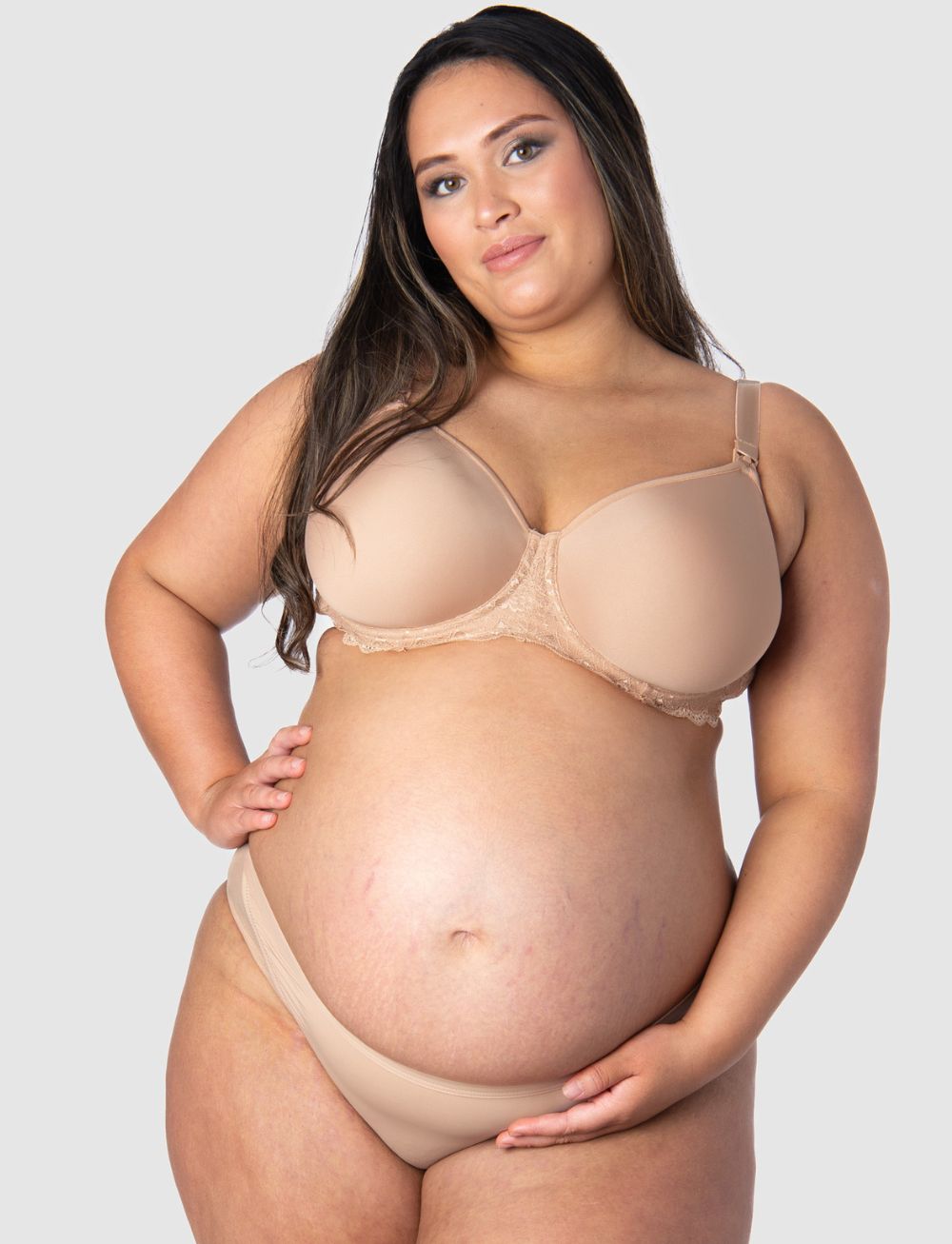
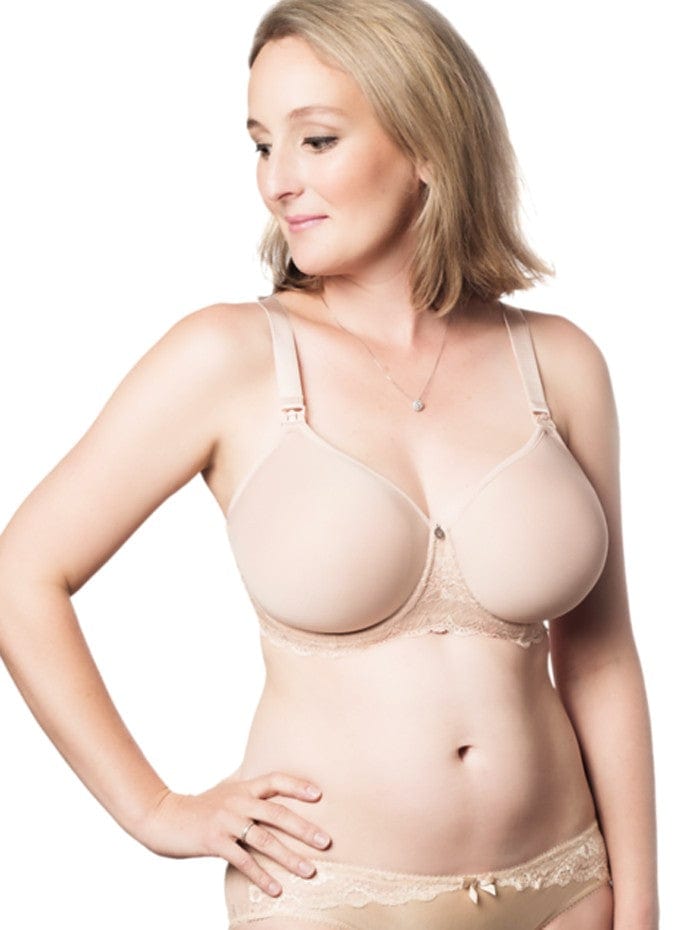
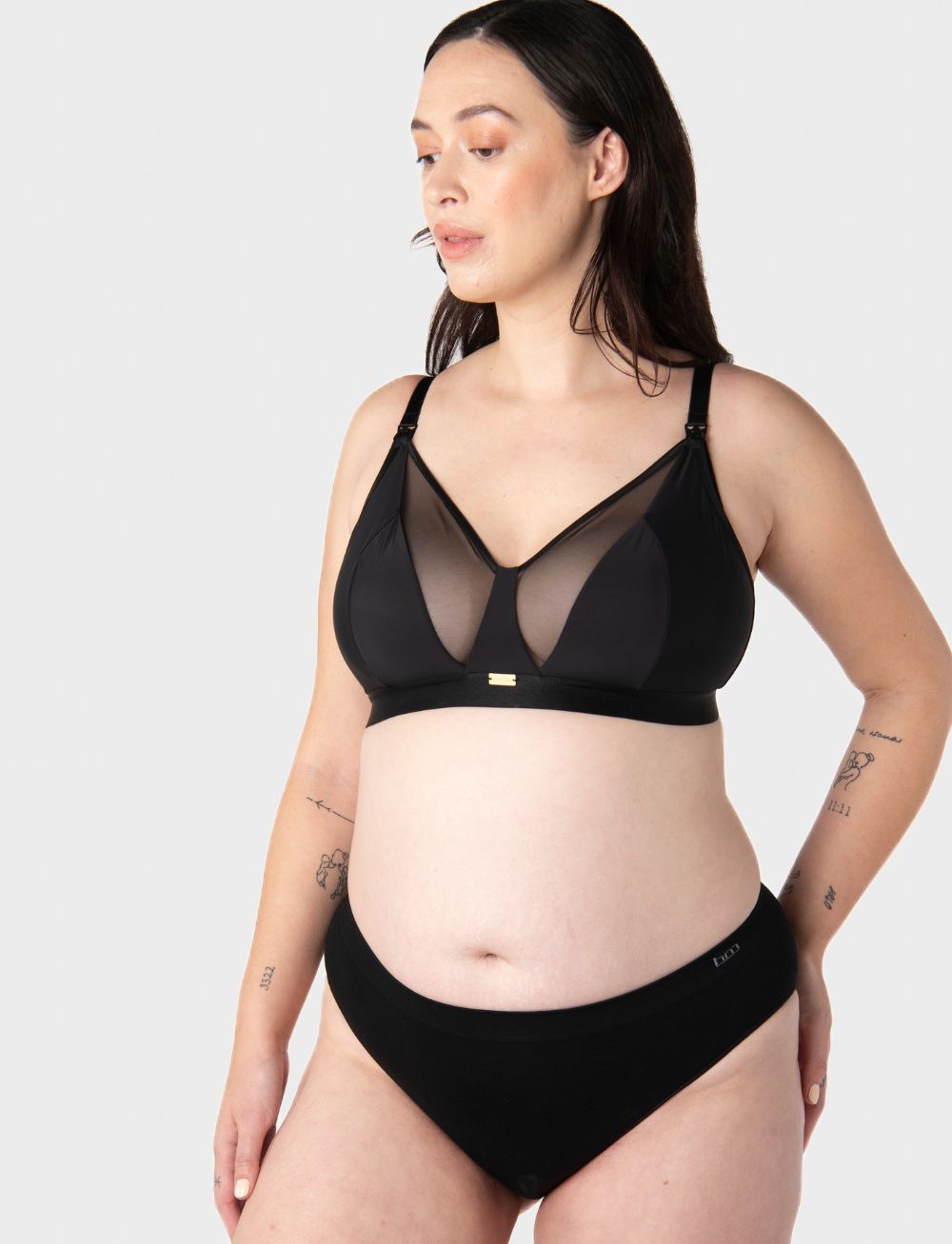
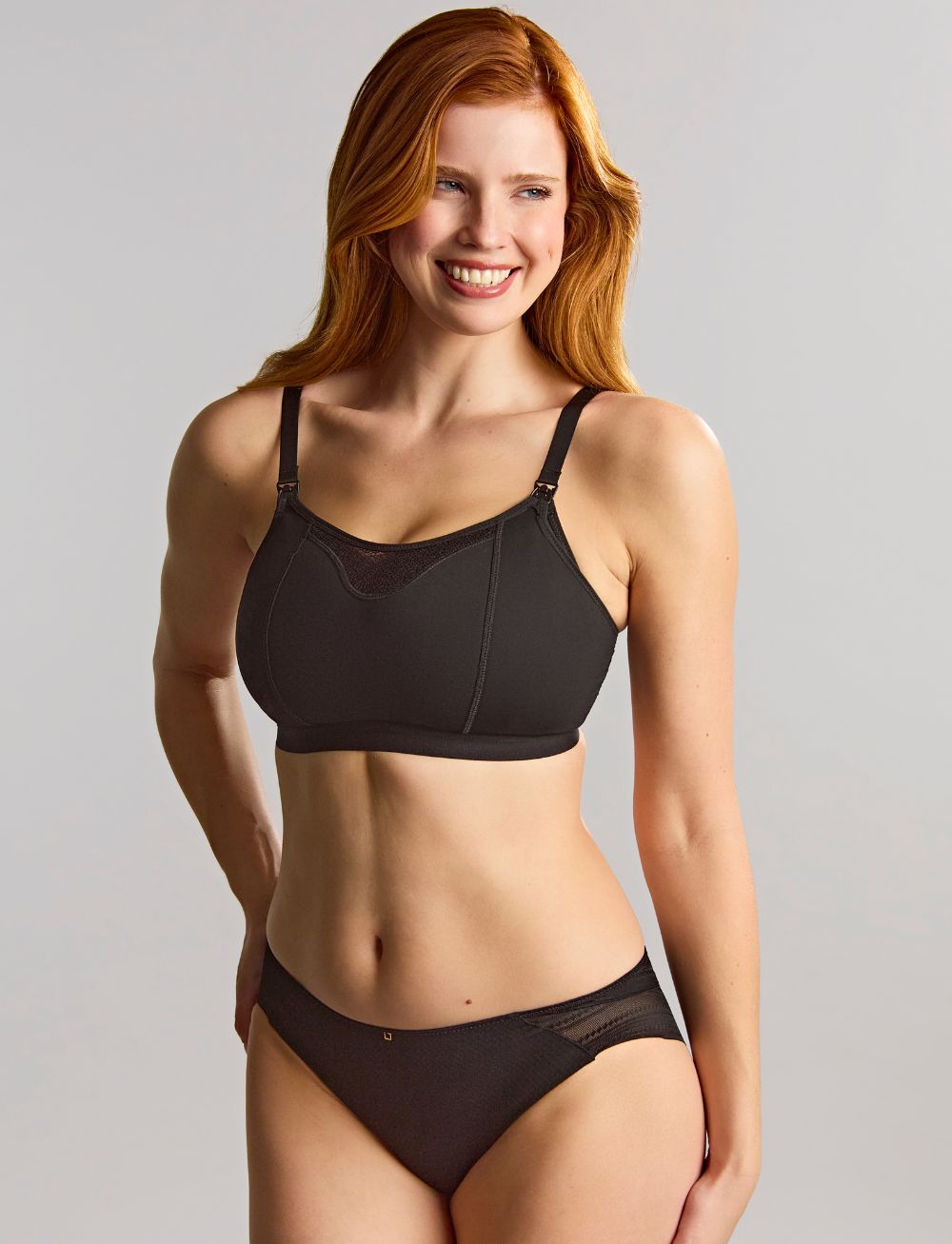
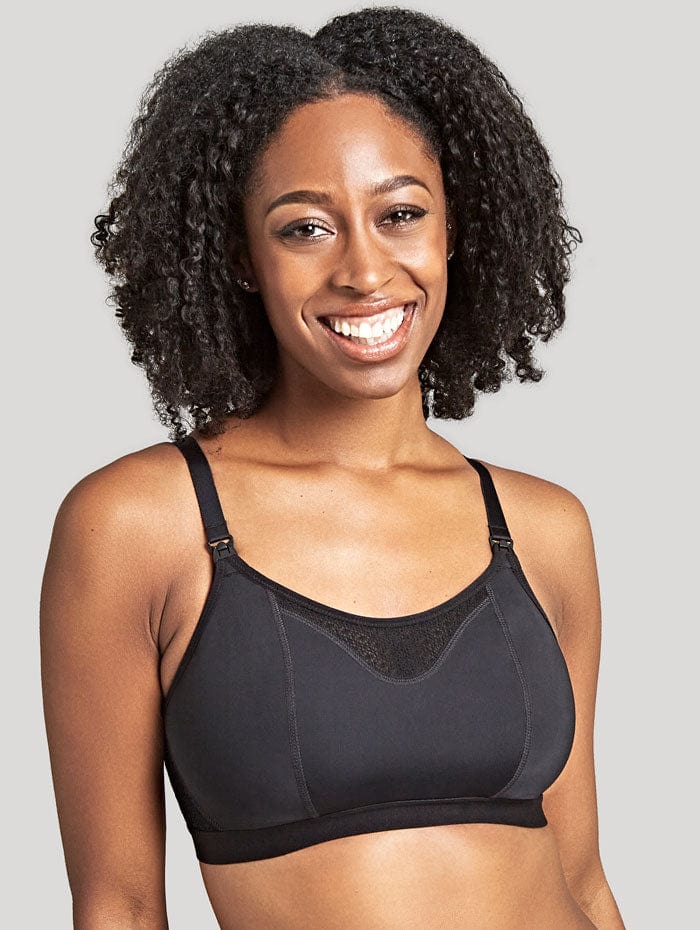
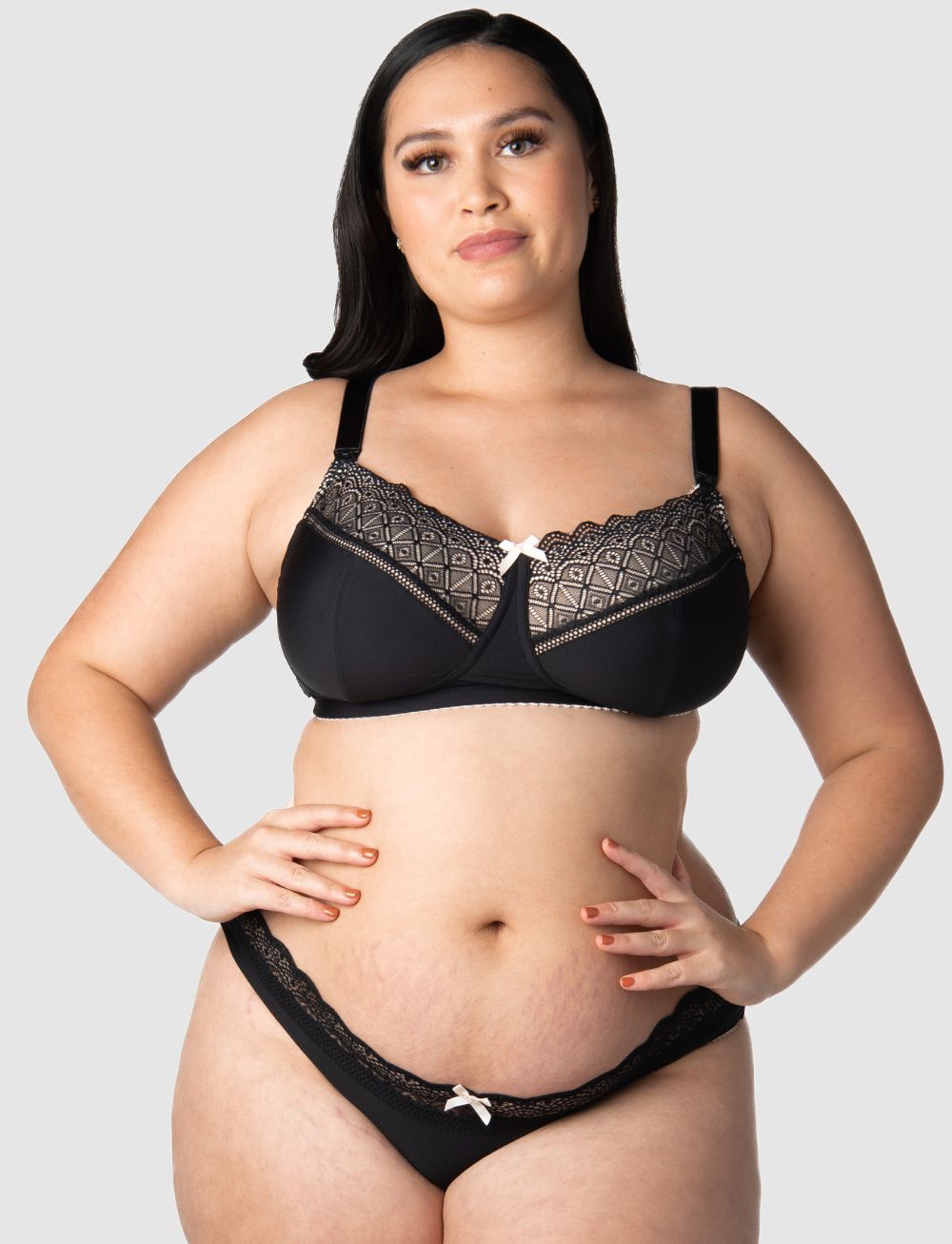
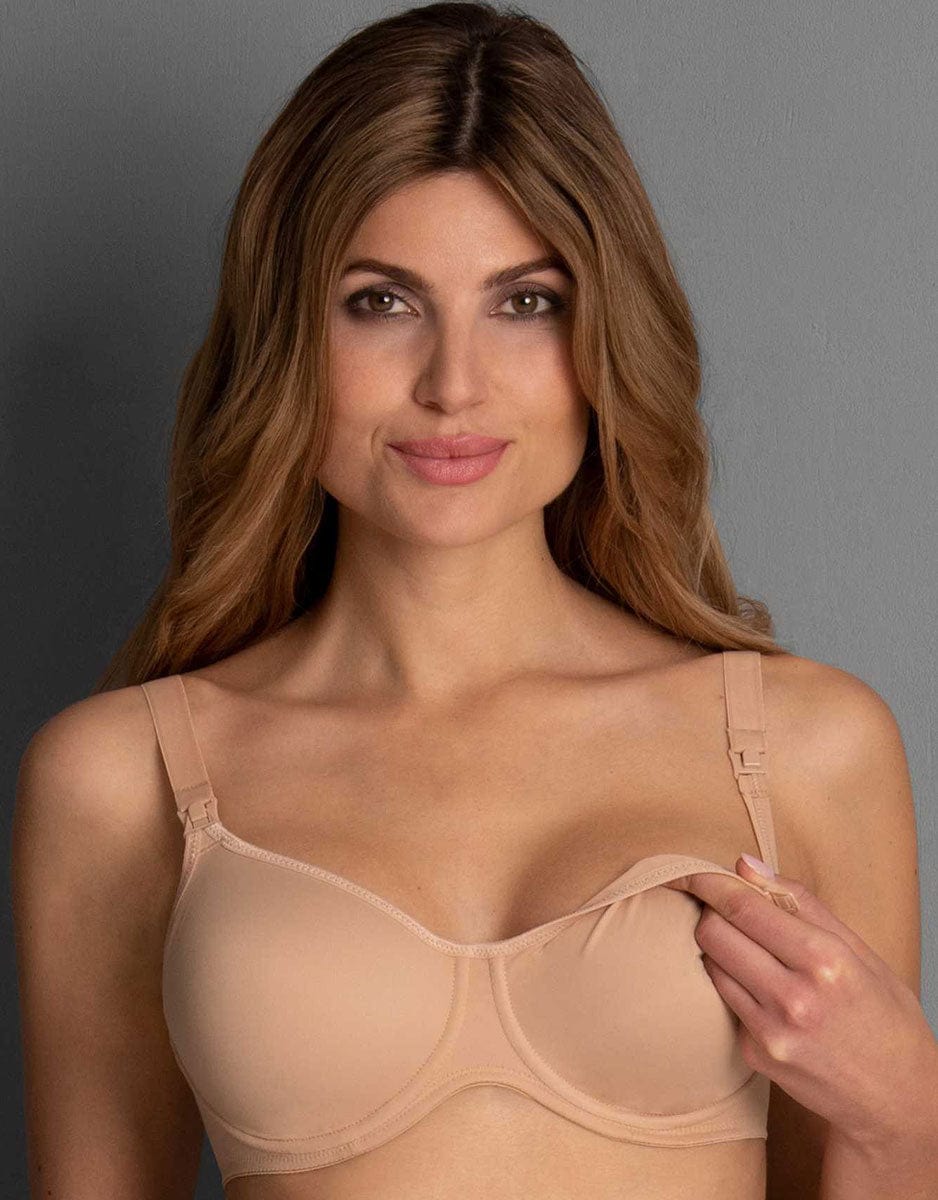
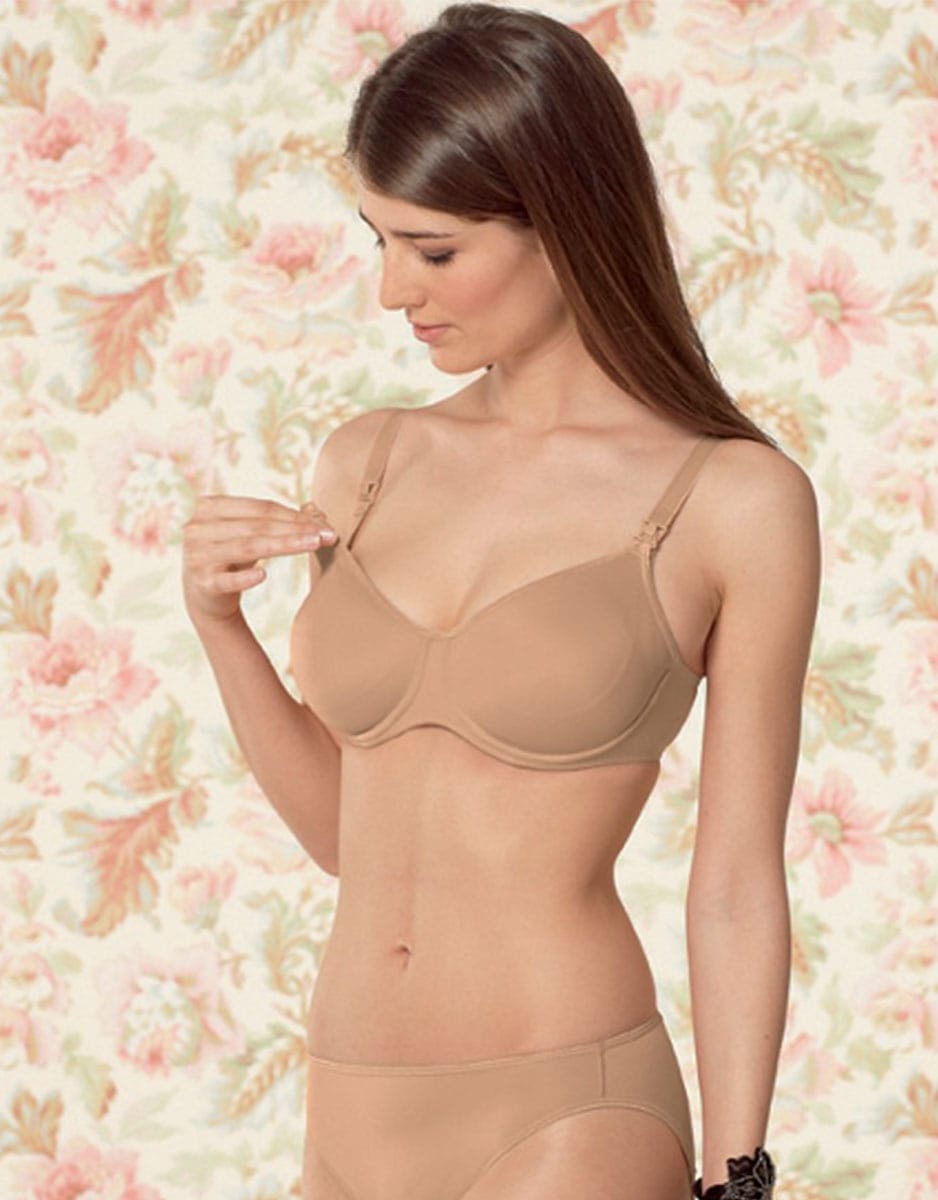
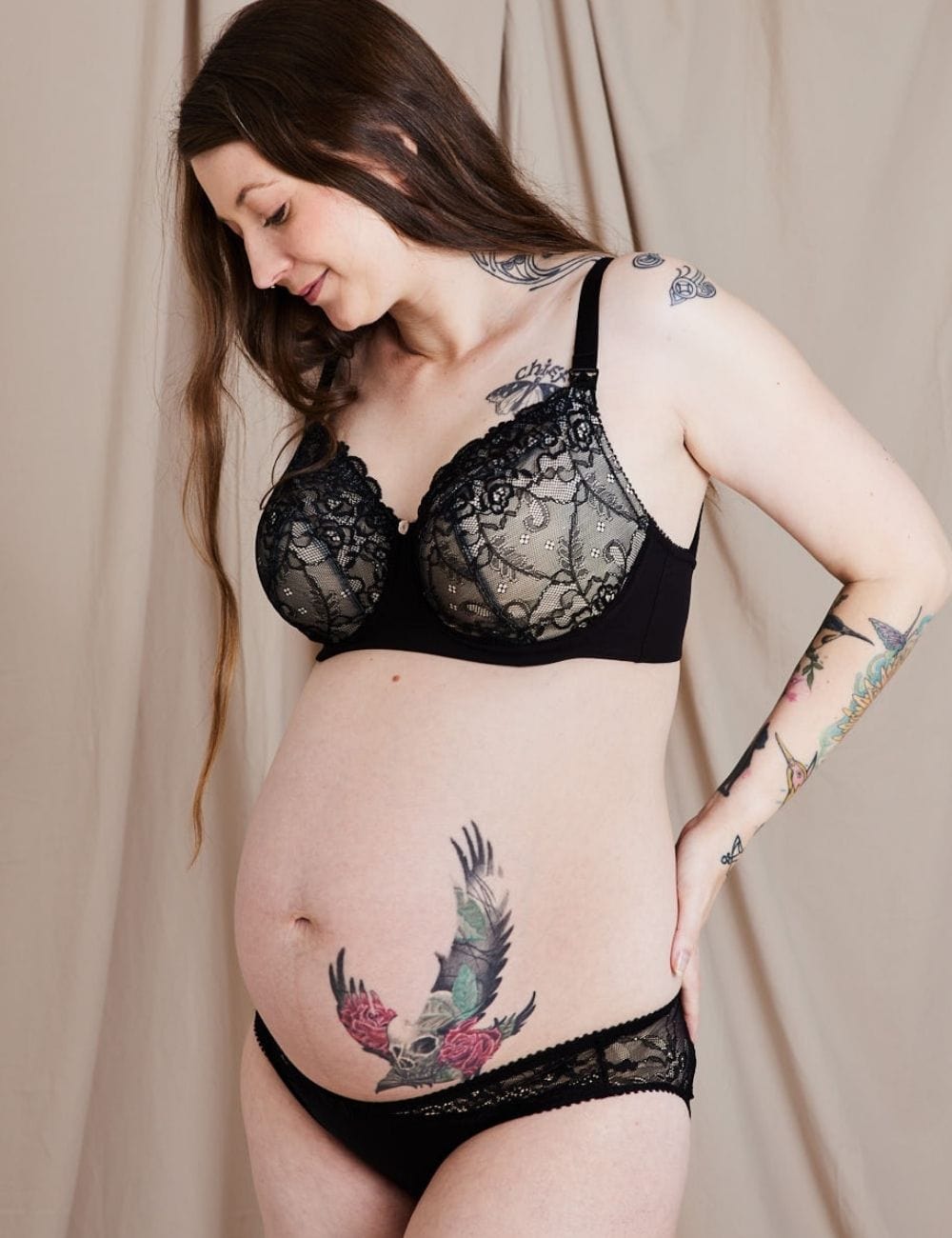
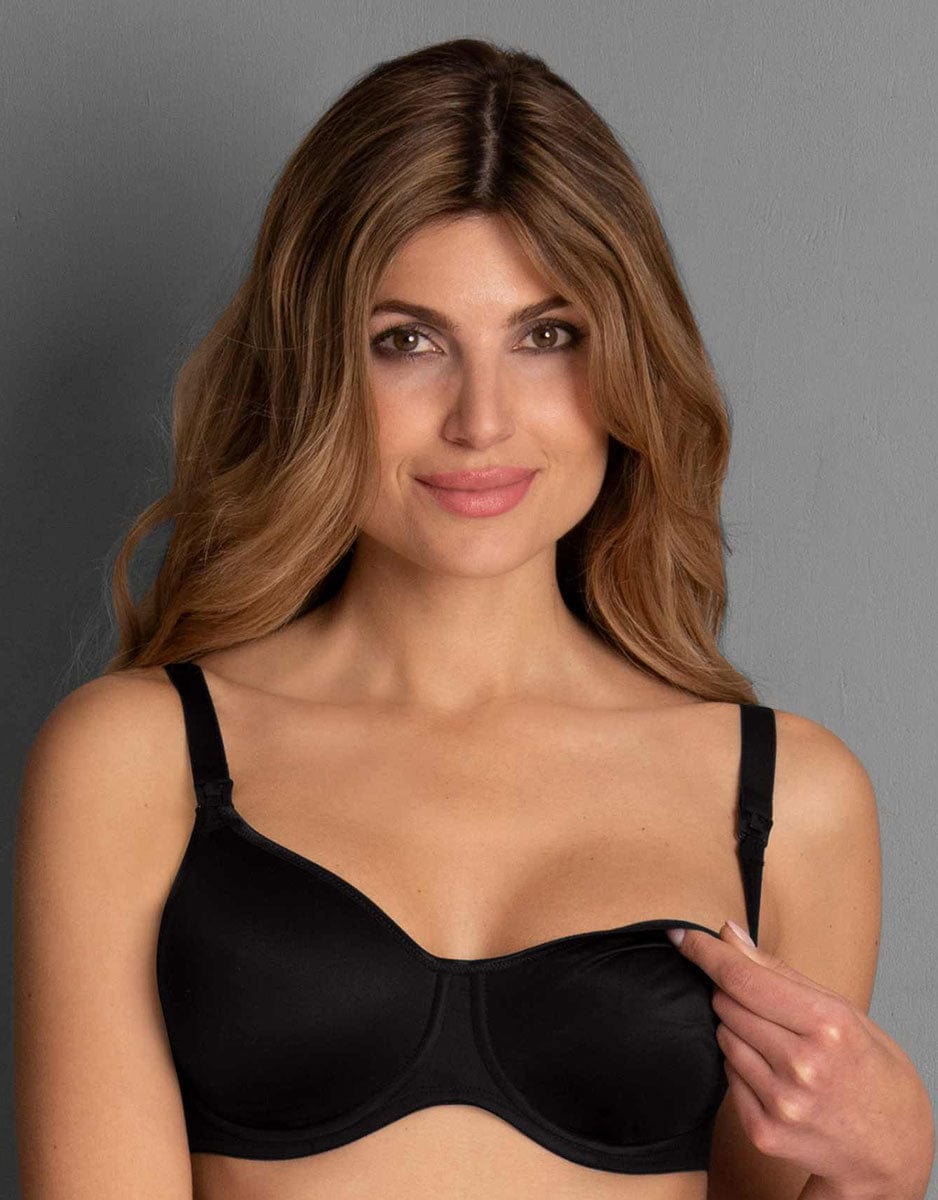
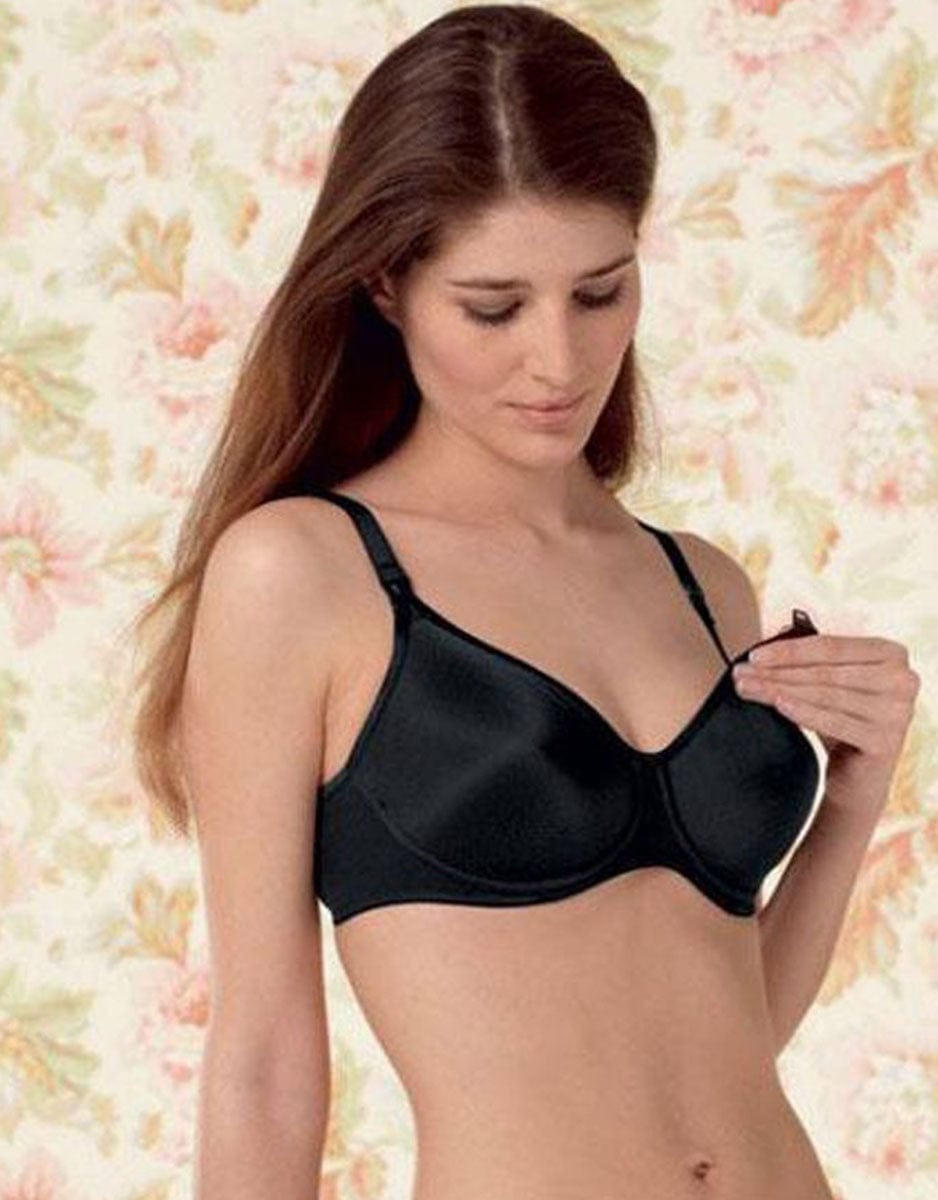
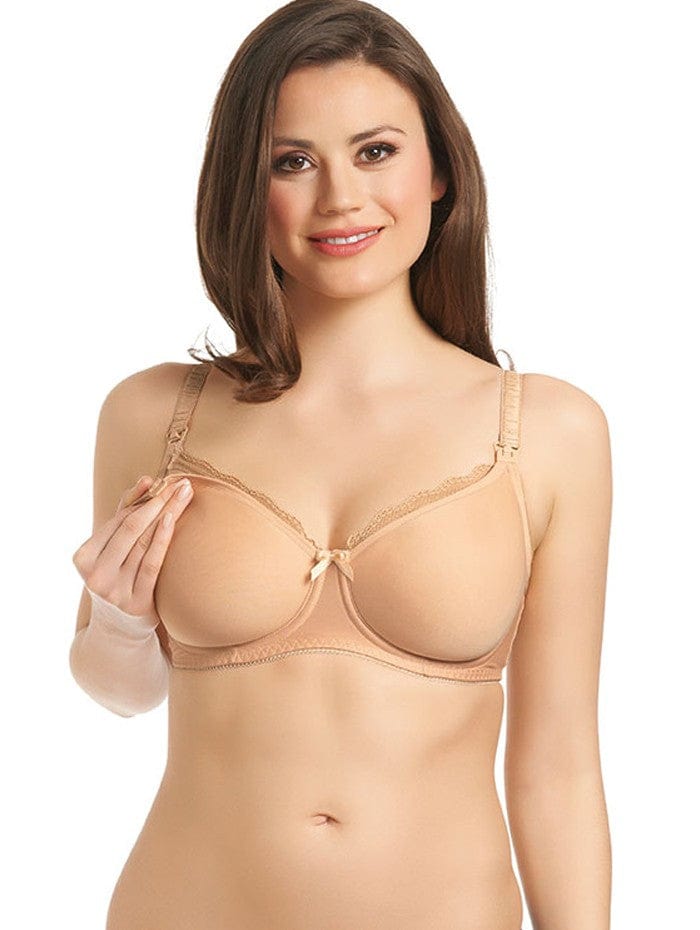
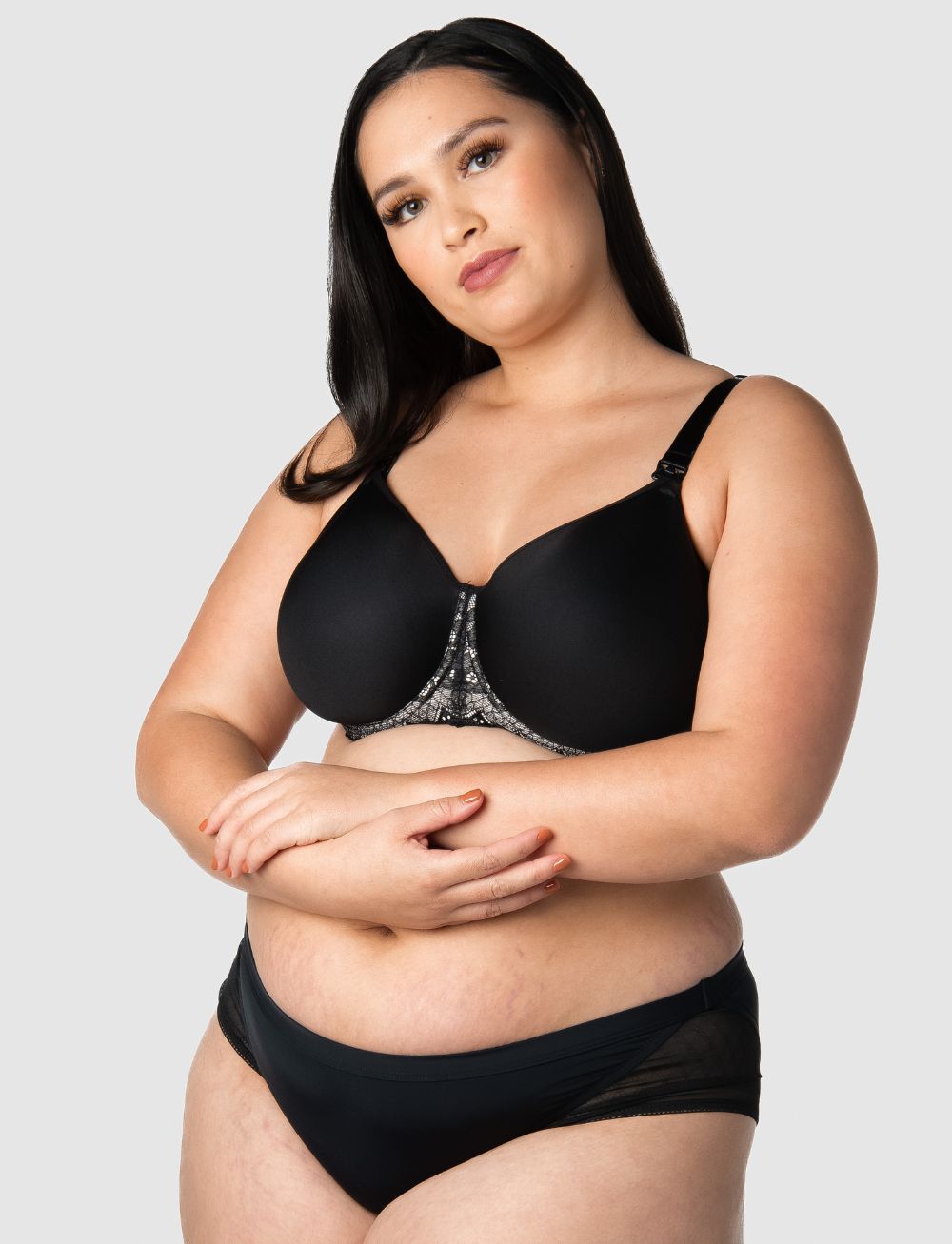
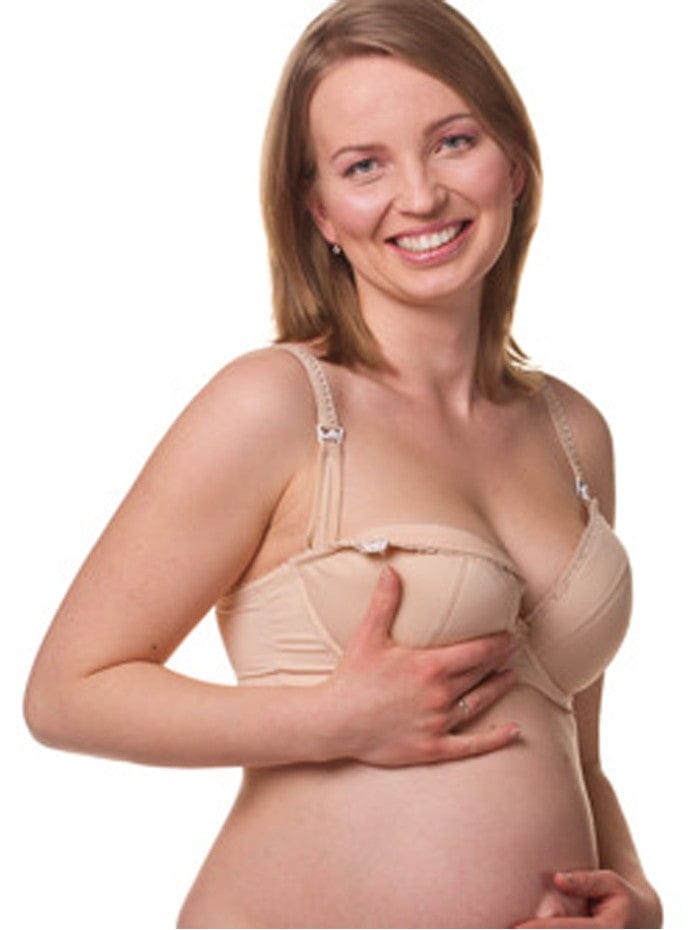
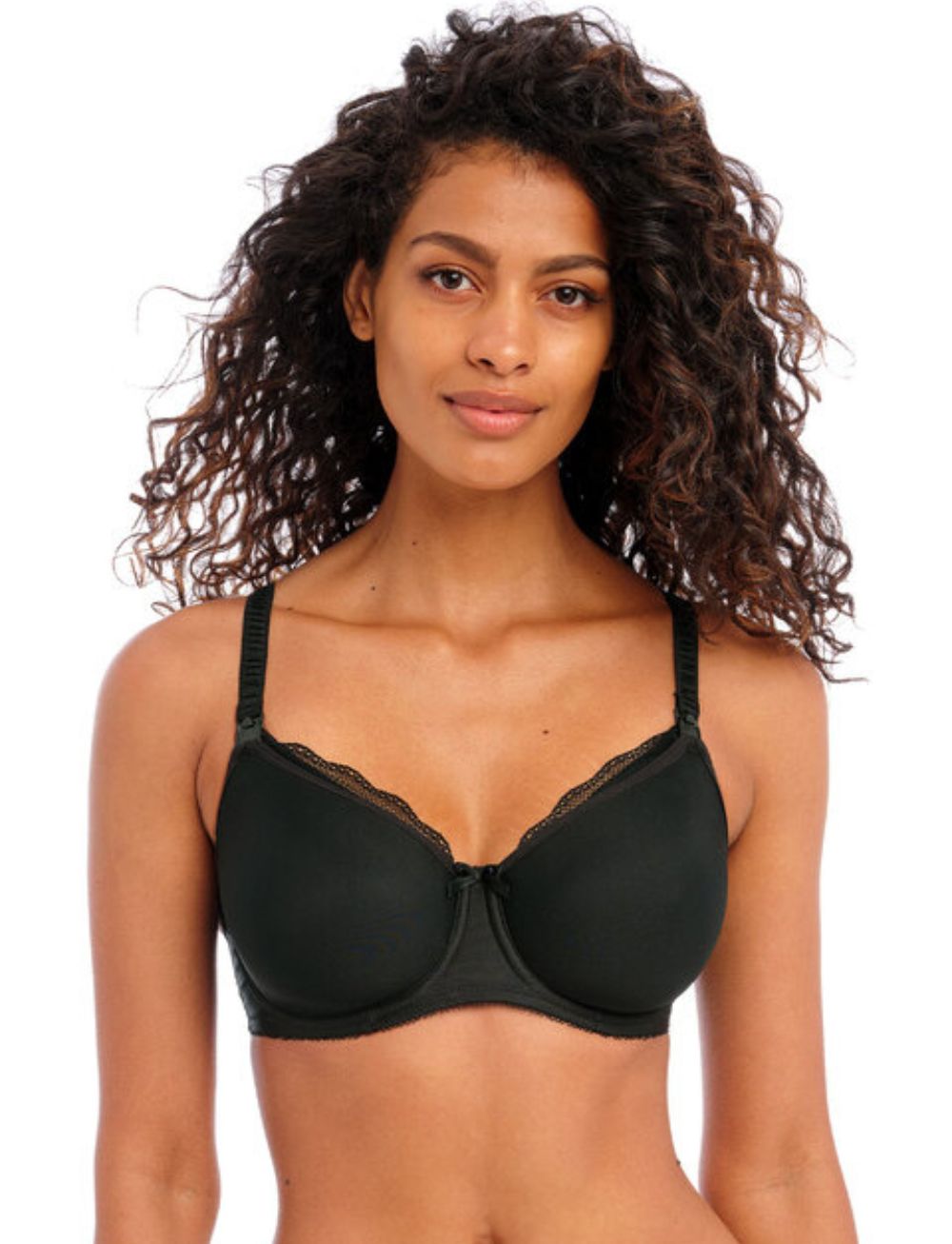
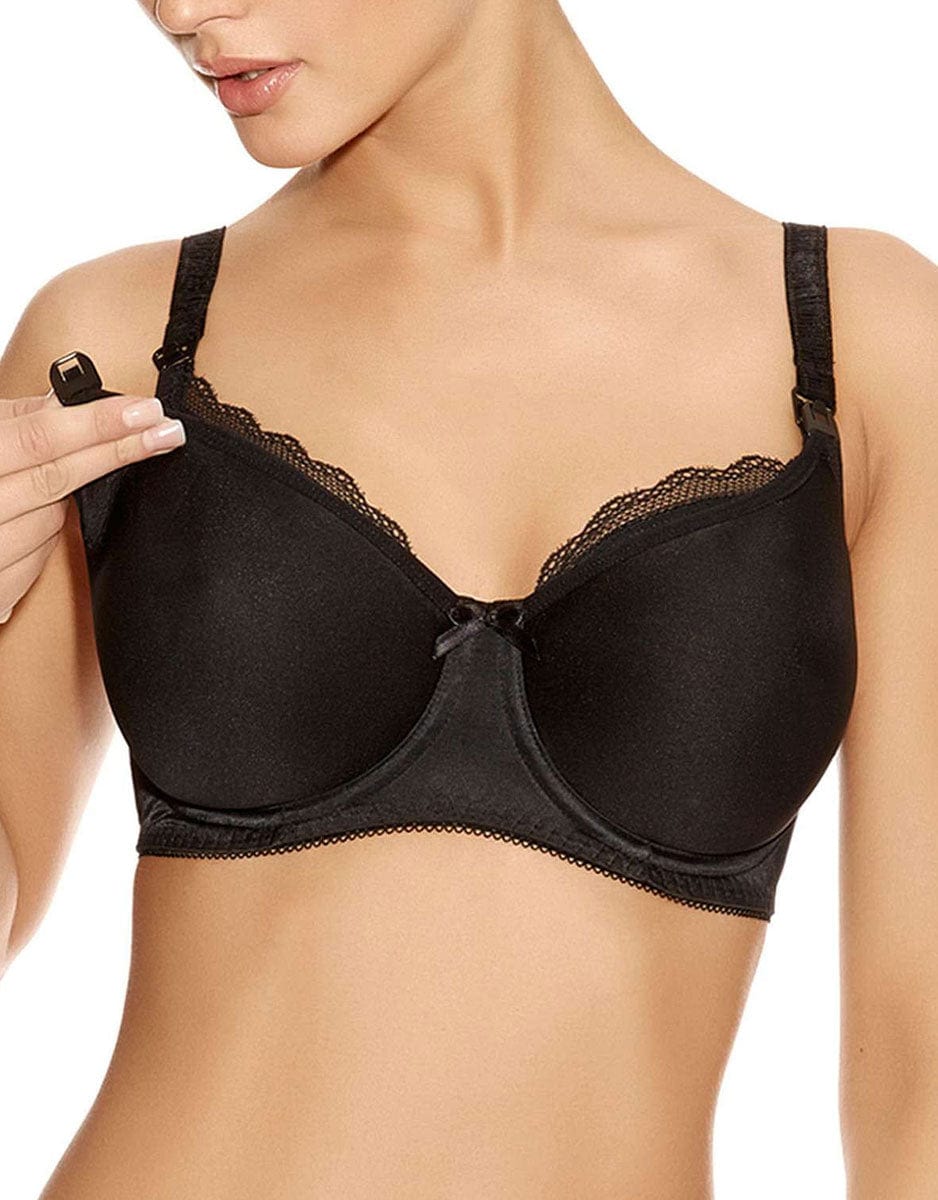
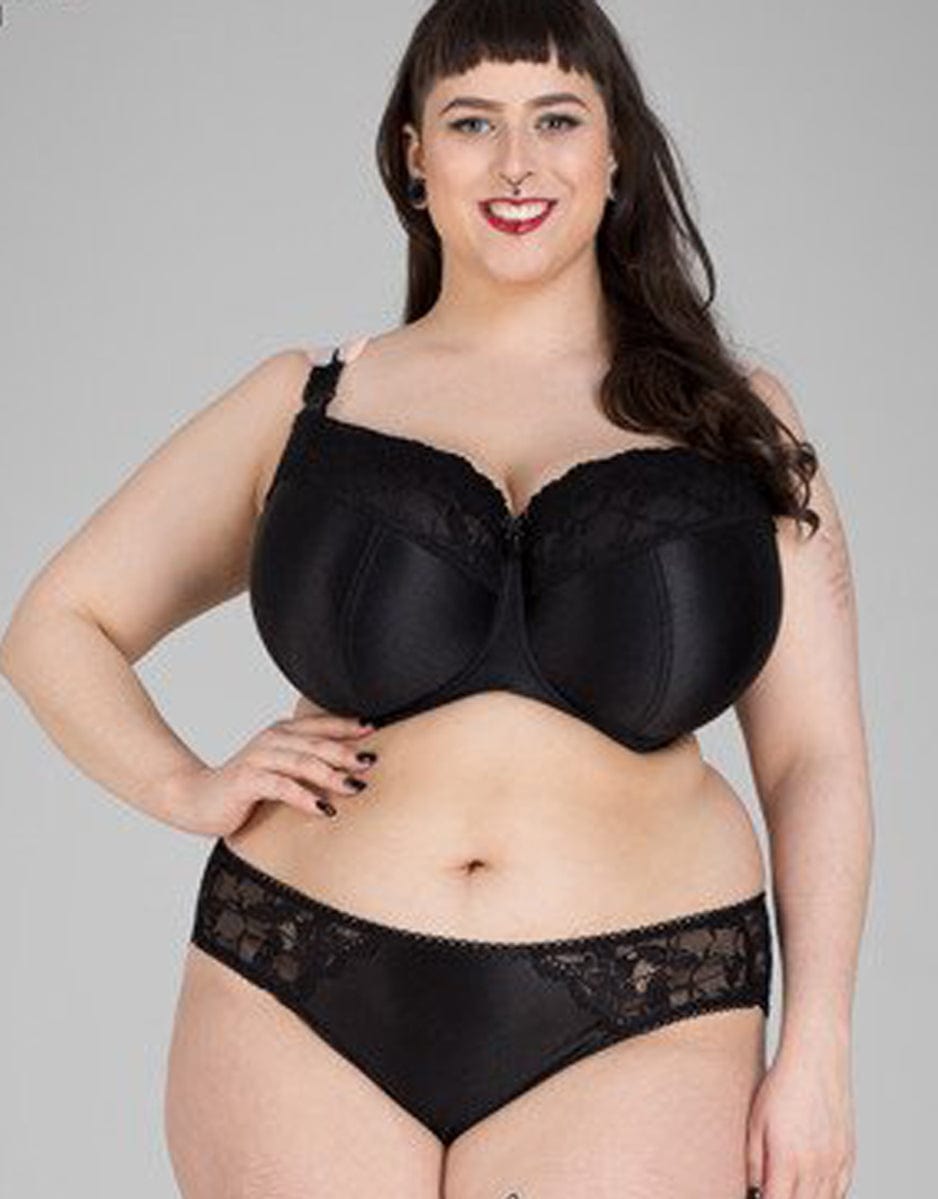
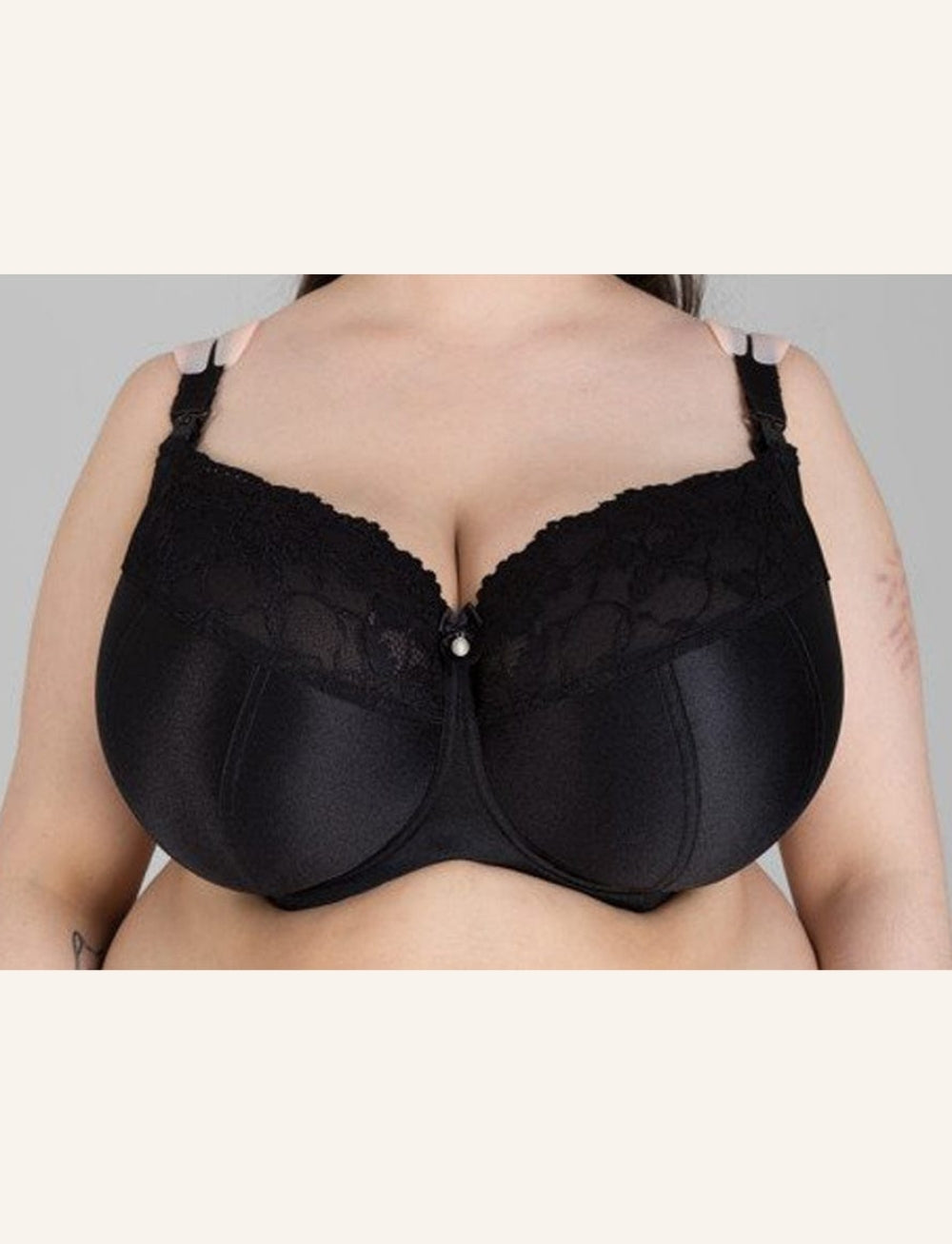
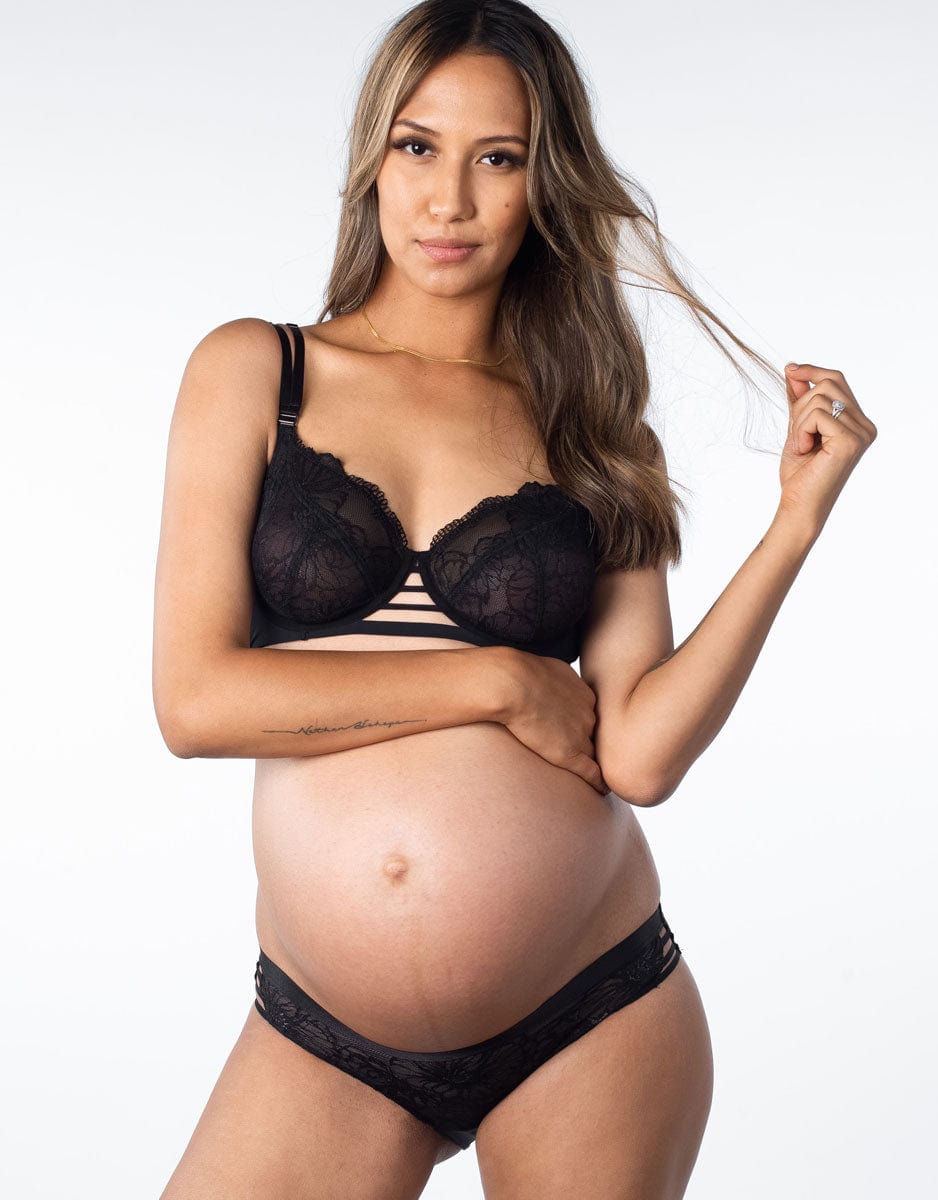
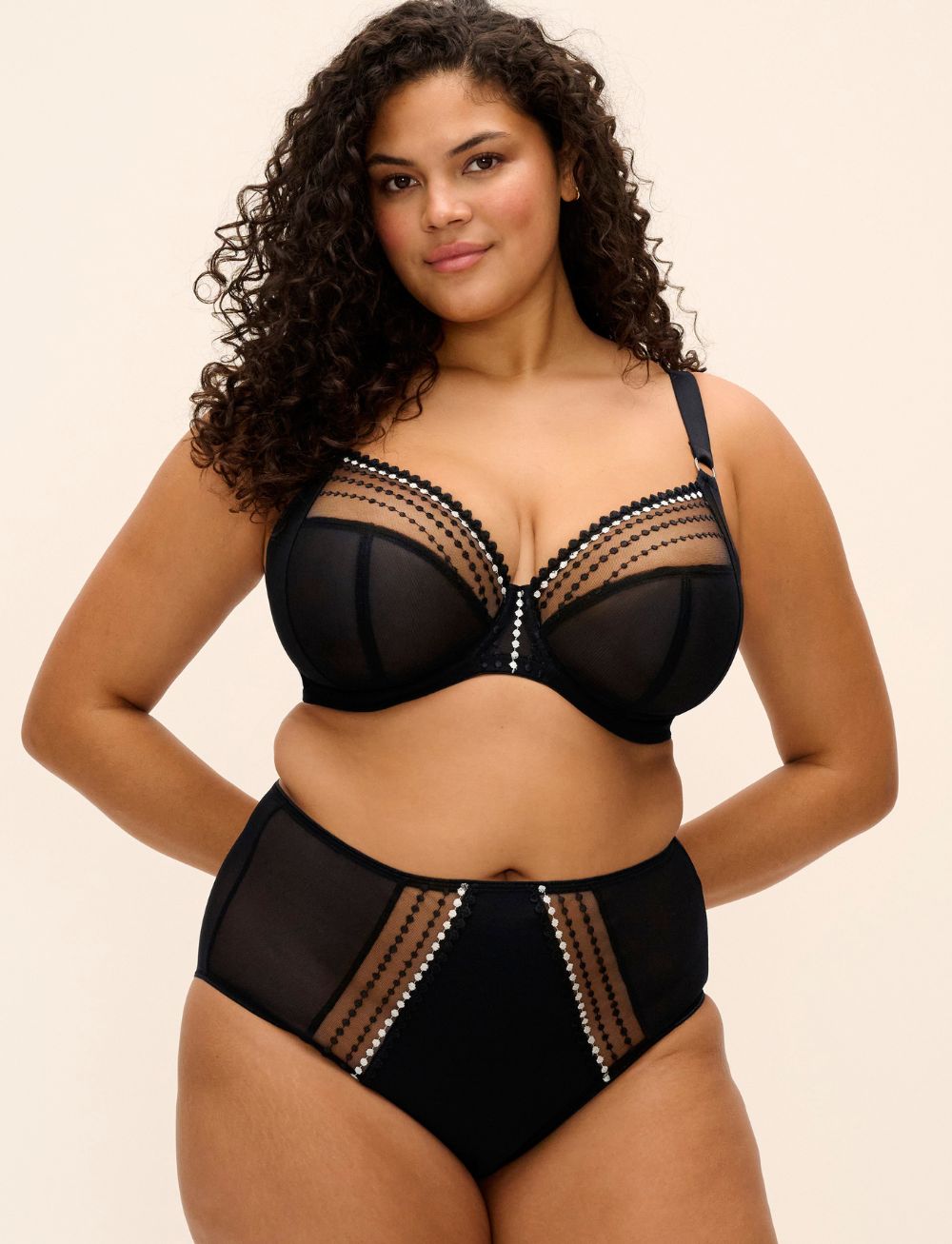
They're designed the same way, with extra rows of hooks so the band can adjust and no rigid underwire. A nursing bra adds clips so you can drop a cup to feed. In Australia the two names are often used interchangeably, and the bras on this page have nursing clips, so you can wear one through pregnancy and keep wearing it once your baby arrives.
When should I start wearing one?
When your breasts have grown enough that your usual bras no longer fit or feel uncomfortable, usually towards the end of the first trimester. The Australian Breastfeeding Association notes that most of the change has usually happened by around 16 weeks, which makes it a good time to be fitted.
Getting the fit right
Early in pregnancy, fit on the tightest hook so you can loosen the band as your ribcage expands; by months 7 to 9 you should be on one of the looser hooks. At every stage you should be able to run your fingers comfortably between your ribcage and the band, and no wire should press on the tissue under your arm. When you try one on, undo the clips and drop each cup: it should be easy, ideally with one hand.
Wirefree or flexiwire?
The Australian Breastfeeding Association says rigid underwires aren't recommended during pregnancy or breastfeeding, and that flexible, low-gauge wires are less likely to cause problems. Wirefree suits the first trimester, the weeks after birth and sleep. Flexiwire uses a flexible wire designed to move with your changing shape, for women who prefer the feel of an underwire. If you sleep in a bra, choose a seamless wirefree style.
How many do I need?
Three in rotation: one to wear, one in the wash and one ready to go. Maternity bras need washing more often than everyday bras, and hand washing in mild soap keeps them in shape.
Wirefree maternity · Underwire & flexiwire maternity · Maternity crops · Plus size maternity · Maternity lingerie · Pregnancy bra fitting guide