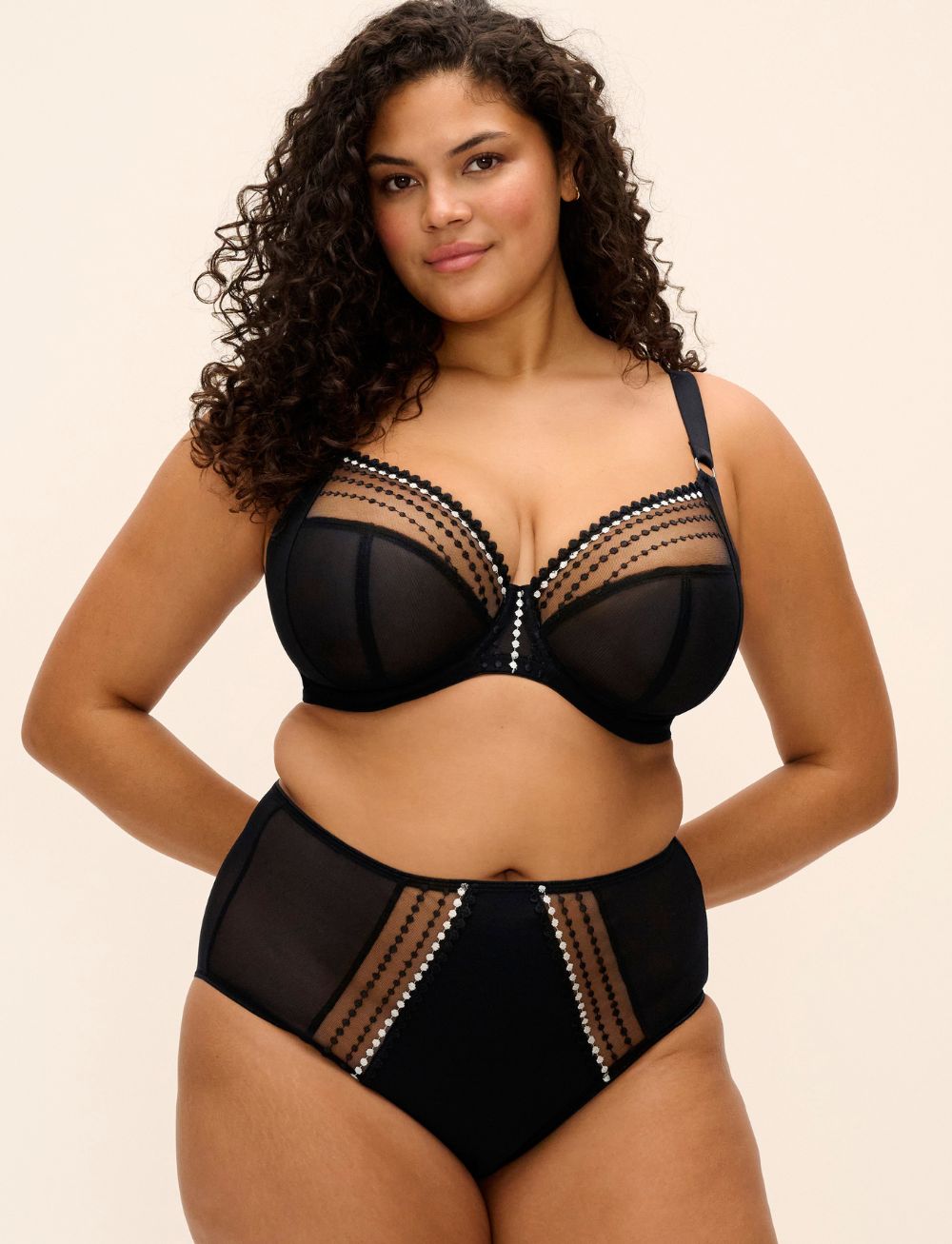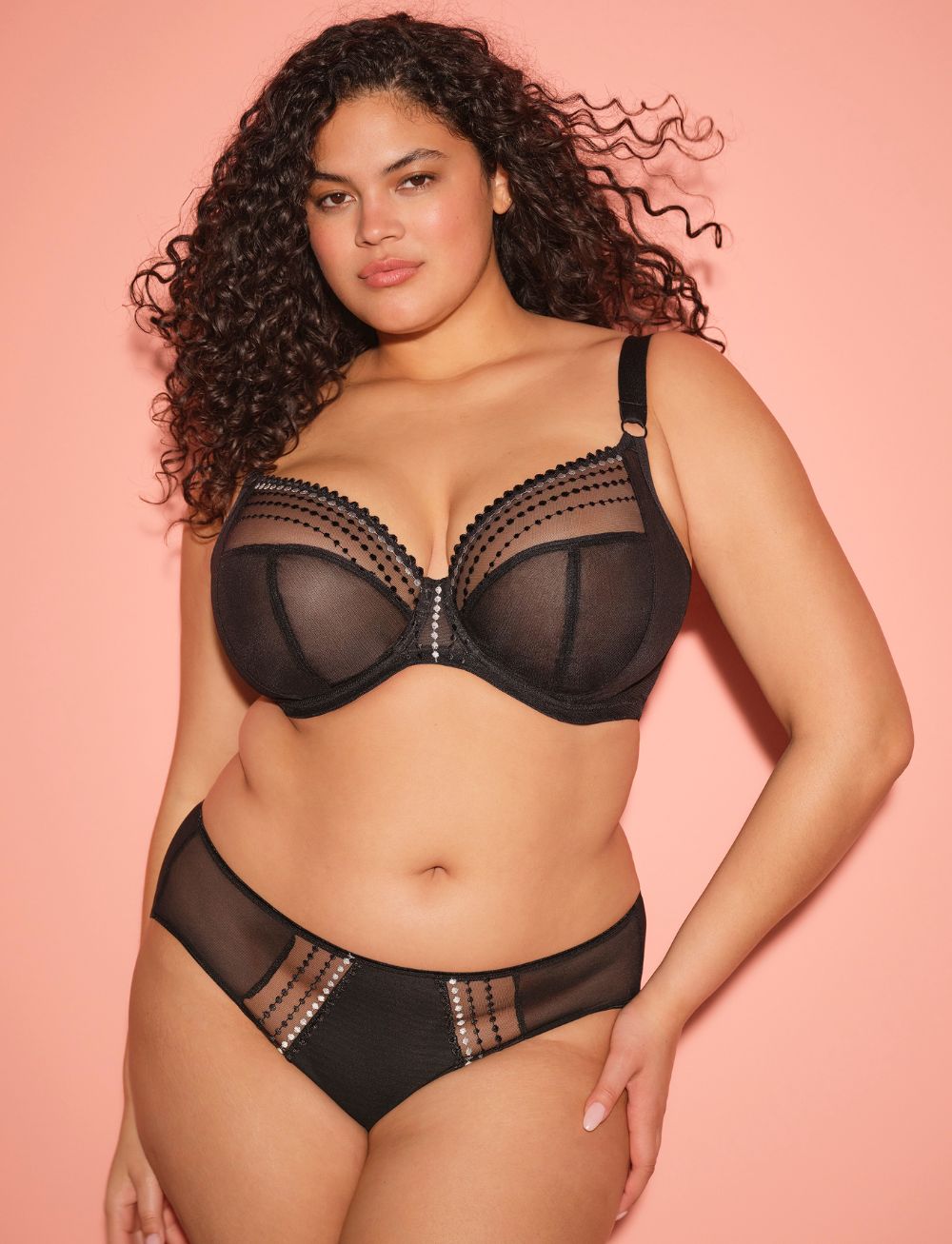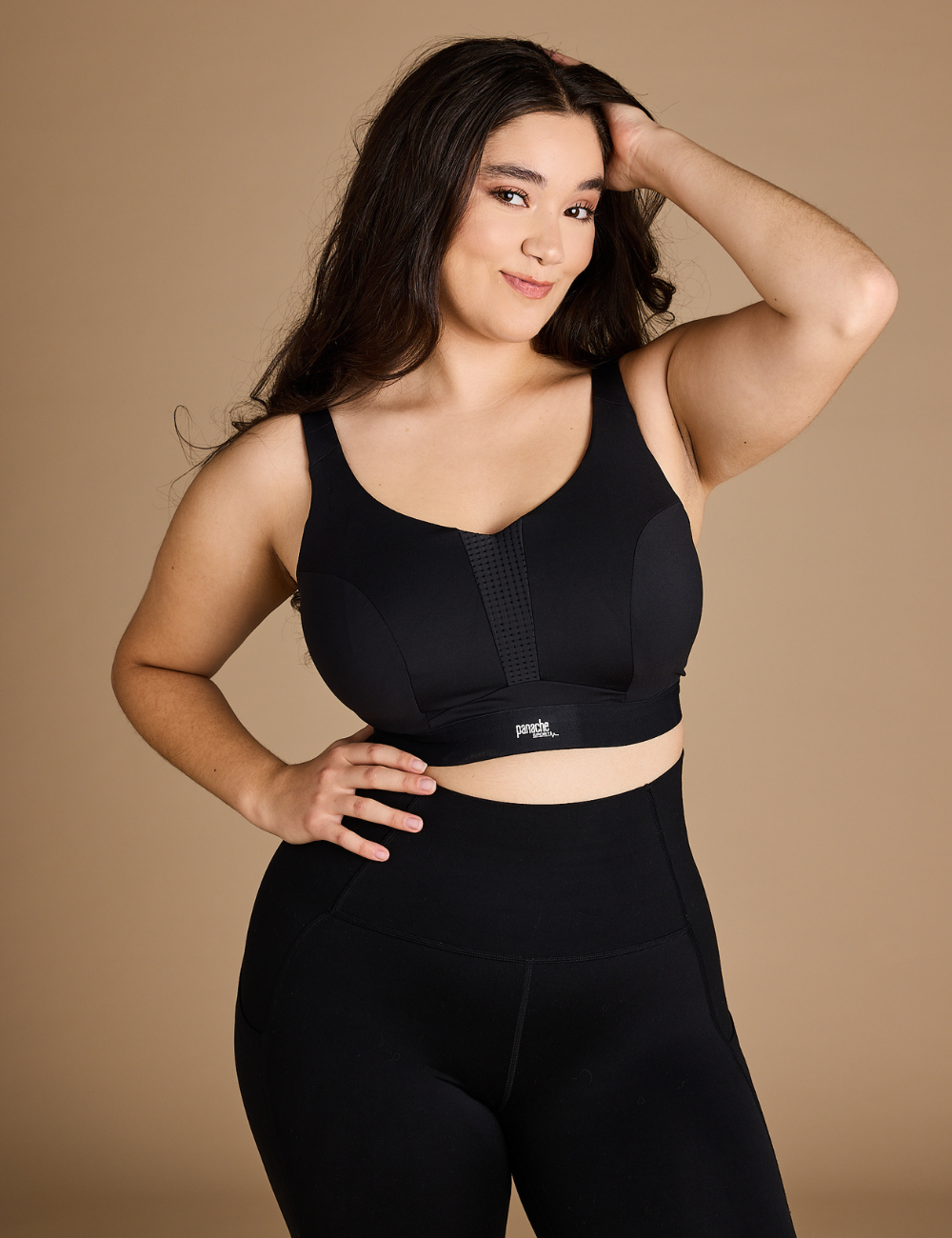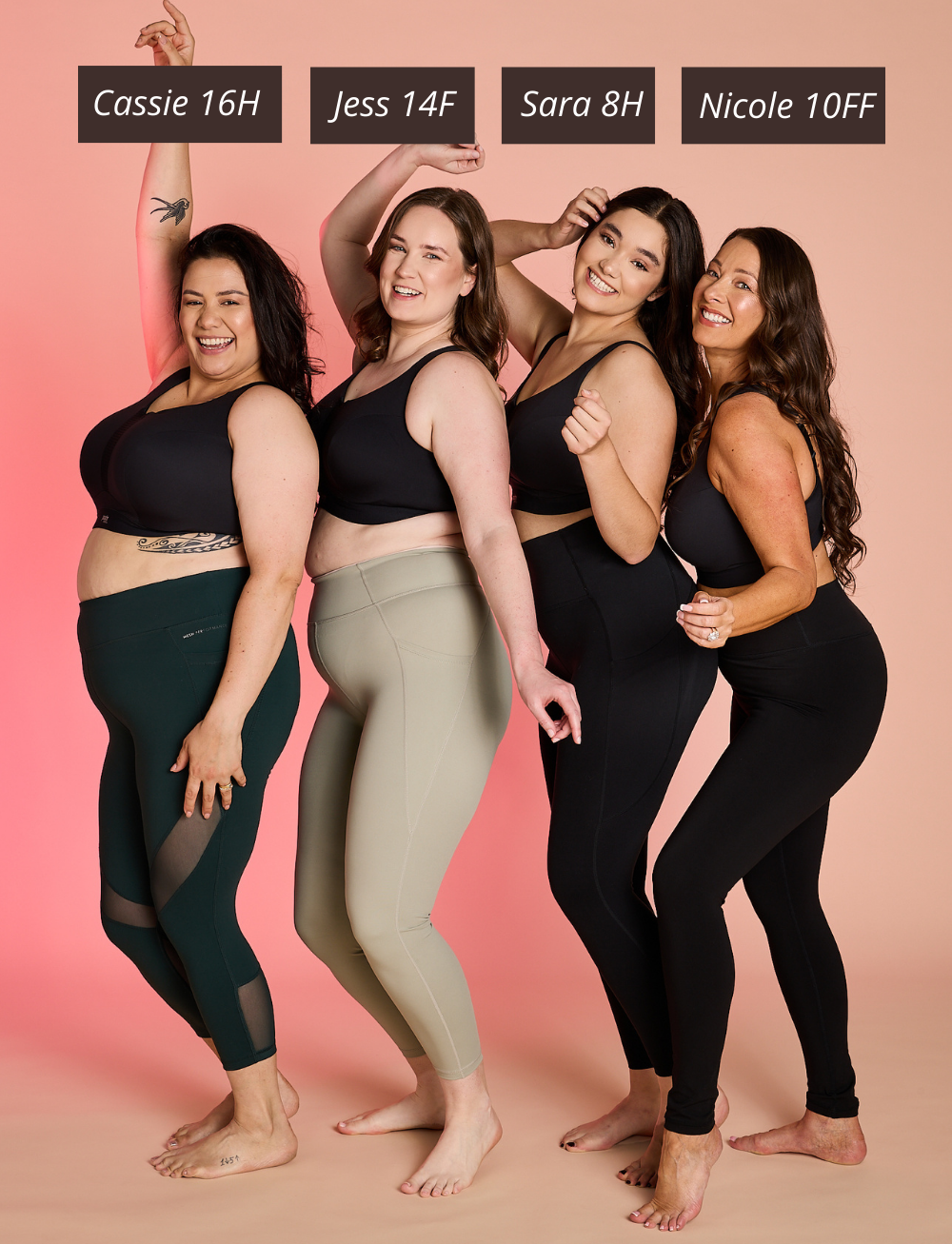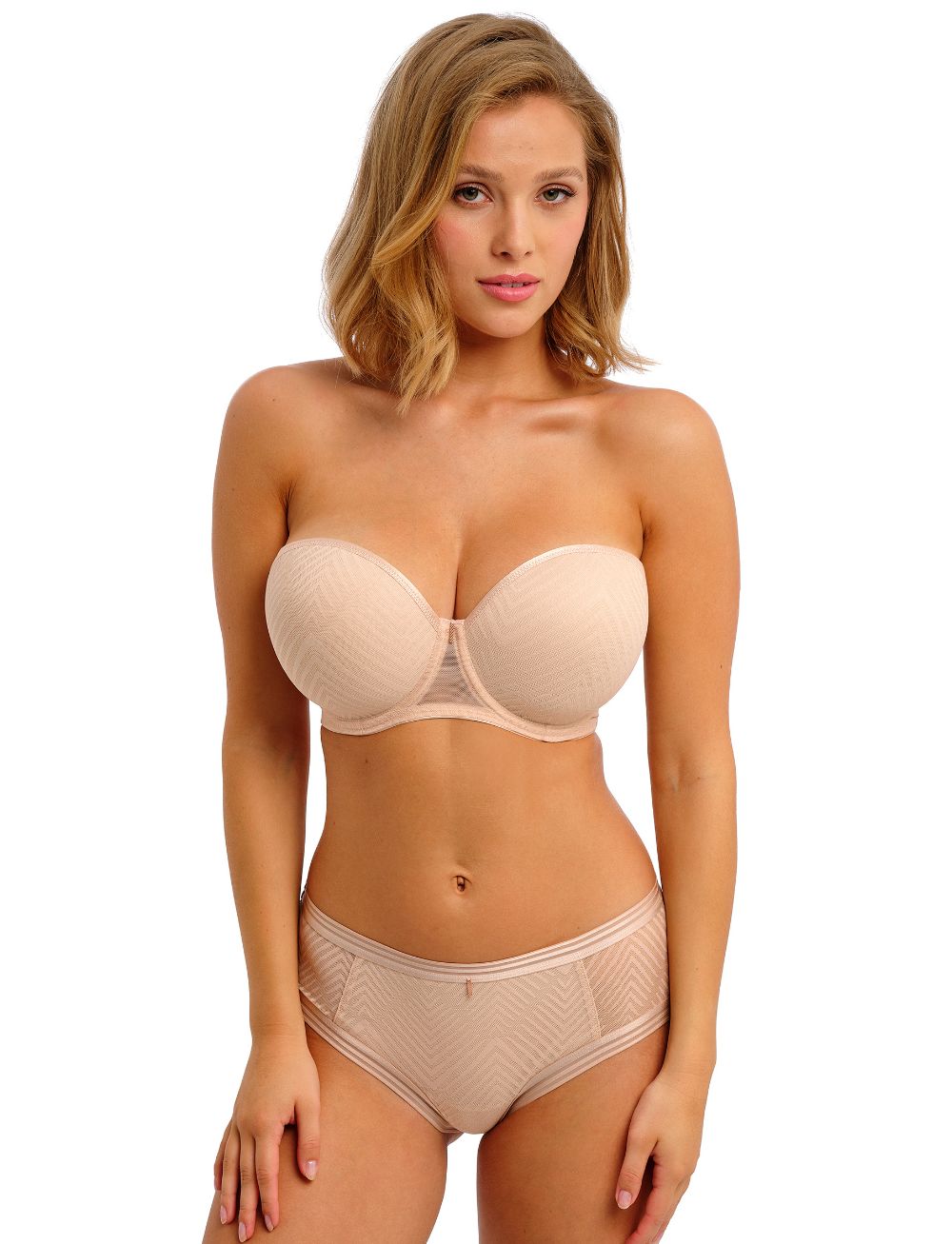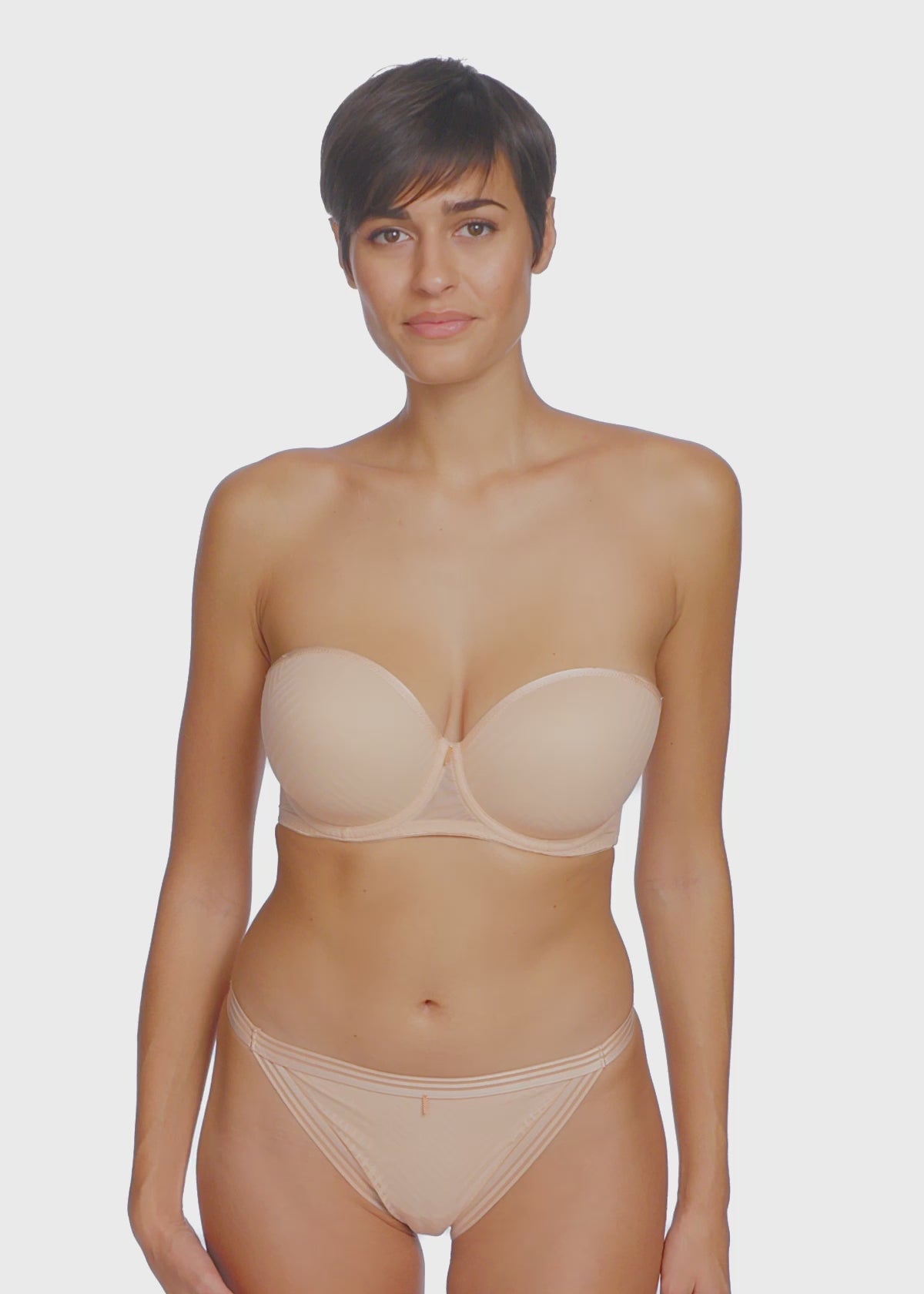

A quality underwired bra — the kind from Freya, Panache, or Prima Donna — costs anywhere from $80 to $160 or more. Proper care can double or triple its useful life. The same bra will be a stretched, misshapen mess within a few months if it goes in the tumble dryer, gets washed with fabric softener, or gets worn too many days running without a break.
The good news is that caring for your bras correctly isn't complicated. It's mostly about avoiding a handful of genuinely damaging habits, and adding one or two simple practices.
How often should you wash your bra?
You don't need to wash your bra after every wear. Two to three wears between washes is fine for most bras in normal conditions. Over-washing damages the fabric and elastic just as much as under-washing does.
The exception is sports bras — wash those after every workout. Sweat breaks down spandex fibres quickly, and sports bras face far more stress than everyday bras. The sooner you wash out the sweat, the longer they last.
The 3-bra rotation rule
Rotating between at least three bras extends the life of each one considerably. Elastic needs around 24 hours after wear to recover and spring back to its original shape. Wearing the same bra on consecutive days doesn't give it that time, and elastic fatigue compounds quickly.
Three bras in rotation will outlast a single bra worn daily by a significant margin — even if you wash them at the same frequency. It's the single most effective thing most people can do to extend their bras' lives.
How to wash a bra
Hand washing is the best method for almost all bras — particularly lace styles, moulded cups, anything with embellishment, and anything structured. It takes about five minutes and extends the life of a bra considerably. Here's how to do it properly:
- Fill a clean sink or basin with lukewarm water — not warm, not hot. Heat is one of the main things that breaks down elastic.
- Add a small amount of delicates detergent. See Dirt - Delicates Wash. A little goes a long way — excess detergent is hard to rinse out and can damage elastic over time.
- Submerge the bra and gently work the fabric between your fingers, paying attention to the band and underarm areas where sweat and oils accumulate. No scrubbing.
- Soak for 10–15 minutes.
- Rinse thoroughly until the water runs clear. Incomplete rinsing is one of the main reasons bras develop a persistent smell even after washing.
- Press the water out gently — squeeze, don't wring. Wringing twists the underwire and distorts the cups.
- Reshape the cups if needed and lay flat to dry, or hang by the centre gore. Never hang by the straps.
Can you machine wash bras?
Yes — but don't expect it to last as long and it may get damaged, even in a laundry bag. We do not recommend using a washing machine for any bras. Damaged bras washed in a washing machine cannot be returned. If you decide not to handwash, and instead use a washing machine, here are our suggestions to minimise damage:
A mesh laundry bag is non-negotiable. Cold water, delicate cycle, no spin. The bag may protect the hooks from snagging and may stop the underwire distorting inside the drum.
Fasten the hooks before washing to try to prevent them catching. Don't wash bras with heavy items like jeans or towels — the weight and friction causes damage even inside a bag.
Moulded and padded cups are the most at risk. The heat and tumbling can permanently deform the cup shape, particularly foam padding. If the bra has significant structure, hand wash it.
What actually ruins bras
Machine washing. The agitation can bend the wire or cause it to poke through the fabric. For moulded bras it can dent or twist the foam cups permanently.
The tumble dryer. Heat is the single biggest enemy of elastic. One cycle can do more damage than months of wear. This includes the straps, the band, and the fabric across the cups — everything degrades.
Fabric softener. It coats elastic fibres with a residue that breaks them down over time. It also traps odour — which is the main reason bras still smell after washing. Skip it entirely for anything with spandex or lycra, which is essentially every bra.
Wringing. Twists the underwire, stretches the band unevenly, and distorts moulded cups. Squeeze gently instead.
Drying in direct sun or on a radiator. Same problem as the dryer — heat breaks down elastic and fades fabric. Dry in the shade, laid flat or hanging by the gore.
Folding moulded cups inside each other. This is how cups get permanently creased. The foam compresses and doesn't fully recover. Lay moulded bras cup-to-cup without folding, or store them flat.
Why does my bra still smell after washing?
Almost always either fabric softener residue or detergent that hasn't fully rinsed out. Both coat the fibres and trap odour rather than removing it.
The fix: wash again without any detergent or softener, just water. For persistent odour, add a small splash of white vinegar to the rinse water — it neutralises the residue without damaging the fabric. Rinse thoroughly after.
How to store bras correctly
For wired bras with moulded or padded cups, store them cup-to-cup — one bra nestled against the other without folding. Lay them flat in a drawer or stand them upright in a dedicated section. The goal is to maintain the cup shape without compressing it.
For non-padded or lace bras you have more flexibility. The main thing to avoid is cramming them in where they can't retain their shape.
Never hang bras by the straps for storage. The strap elastic isn't designed to carry the weight of the bra continuously and will stretch out over time.
How long should a bra last?
| Care routine | Expected lifespan |
|---|---|
| Daily wear, machine washed regularly | 6–8 months |
| Rotation of 3+, hand washed | 2–3 years |
Signs it's time to replace: the band only fits correctly on the tightest hook, the cups have permanently lost their shape, the underwire is poking through, or the straps won't stay adjusted regardless of the setting.
Care by bra type
Moulded and t-shirt bras: Hand wash whenever possible, never put in the dryer, never fold the cups. These are the most sensitive to heat and compression.
Lace and embellished bras: Hand wash only. Lace snags easily in a machine even in a bag, and embellishment can be permanently damaged. Reshape while damp and dry flat.
Underwired bras (non-padded): Hand wash preferred, if machine washed the underwire is the main risk — it can distort or puncture its channel if caught in the drum.
Sports bras: Check label but most sports bras can be machine washed. Machine wash cold in a mesh bag after every wear. No fabric softener — it degrades the technical fabric. Line dry or lay flat. Even high-performance fabrics in Shock Absorber and Panache Sport styles will degrade faster in a dryer.
Nursing and maternity bras: Hand wash in cool water with gentle detergent, reshape, dry flat. The clips and hardware can catch in a machine — use a bag if machine washing.
Getting refitted while you're at it
If it's been more than a year since you were properly fitted, it's worth doing. Body shape changes over time — pregnancy, weight fluctuation, and age all affect fit — and a bra that fitted correctly a year ago may not be the right size today. A free fitting at Brava takes about 20 minutes and makes an immediate difference.